






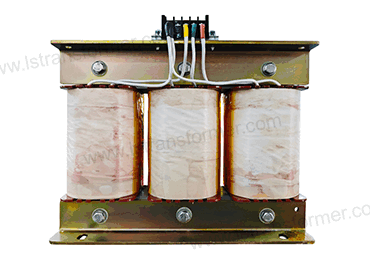
What is the definition of the no-load characteristics measurement?
What is the definition of the no-load characteristics measurement? The measurement of a transformer's no-load characteristics is one of the key methods for assessing its performance and efficiency.No-load characteristics refer to the parameters measured and recorded when the secondary winding of the transformer is open-circuited, i.e., with no load connected, and...
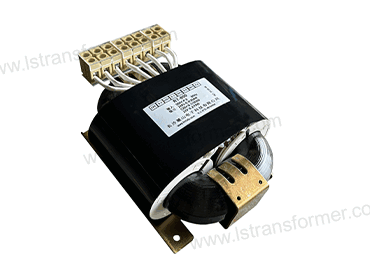
Was sind die performance-Eigenschaften von R-Typ Transformatoren?
What are the performance characteristics of R-type transformers? R-type transformers exhibit exceptional performance in various applications due to their unique structure and material selection. The following are the main performance characteristics of R-type transformers: Peculiarity 1. Compact Size and Light Weight: R-type transformers featurean uncut ring-shaped core, which significantly reduces...
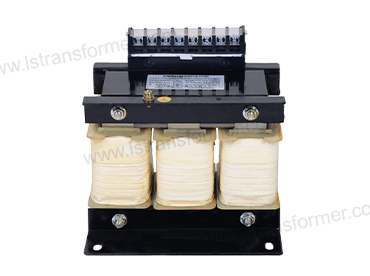
How is the AC magnetization curve defined for silicon steel sheets?
How is the AC magnetization curve defined for silicon steel sheets? Silicon steel sheets are widely used in power transformers and electrical machines, and their magnetic properties directly affect the efficiency and performance of the equipment. When studying the magnetic properties of silicon steel sheets, the AC magnetization curve (B-H curve)...
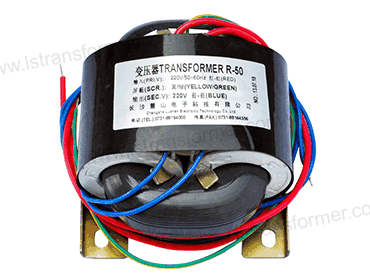
Wo kann R-core Transformatoren angewendet werden?
Where can R-core transformers be applied? R-type transformers, with their unique structure and performance characteristics, are widely used across various fields. The following is a detailed description of the main application areas and advantages of R-type transformers: Fields of application 1. Industrial Control: In industrial control systems, R-type transformers are...
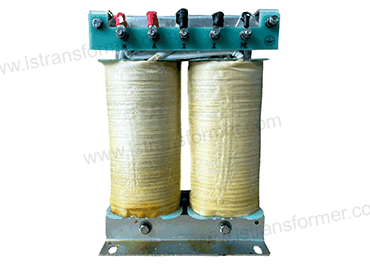
How is the cutting process of the iron core conducted?
How is the cutting process of the iron core conducted? Thecore cutting process is crucial in transformer manufacturing, directly affecting the core's performance and quality. To ensure the quality of the core during cutting, various technologies and methods are typically employed. The main cutting techniques include: Content 1. Wheel Cutting Process:...
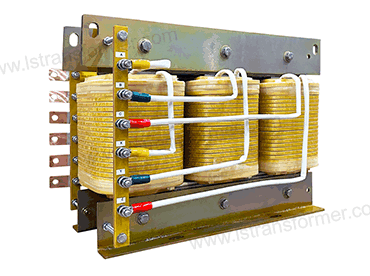
Was sind die Ursachen von Teilentladungen Fehler im Tap-Changers?
What’s the Causes of Partial Discharge Faults in Tap Changers? Local discharge faults in tap changers can be caused by various factors, typically related to the deterioration of insulation performance, external overvoltages, and material quality issues. The following are some common causes: Reason 1. Deterioration of Insulation Performance: The insulation performance...
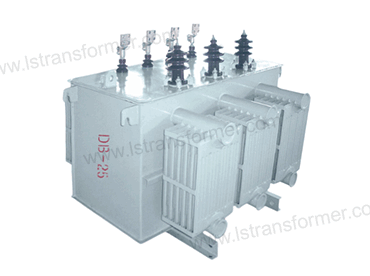
What are the advantages of dry-type transformers compared to oil-immersed transformers?
What are the advantages of dry-type transformers compared to oil-immersed transformers? Dry-type transformers offer a series of significant advantages compared to oil-immersed transformers, particularly in terms of safety, maintenance, space utilization, and environmental adaptability. Merit 1. Enhanced Safety: Dry-type transformers significantly reduce fire risk due to their use ofsolid insulating...
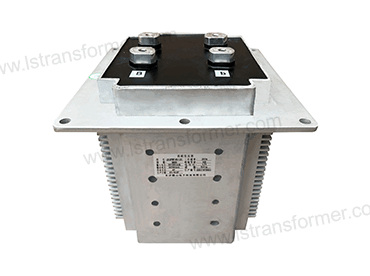
What are the uses of high-frequency transformers?
What are the uses of high-frequency transformers? High-frequency transformers are specialized devices designed for the conversion of high-frequency electrical signals and play a crucial role in various fields and applications. The following is a detailed description of the main uses and functions of high-frequency transformers: Function: 1. Radio Transmitters and...
What are the regulations for the normal operating conditions of transformer products?
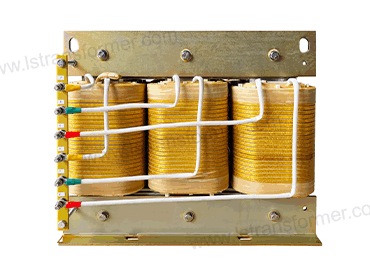
What are the regulations for the normal operating conditions of transformer products? The normal operating conditions for transformer products are crucial for their long-term stable performance and reliability. The following are detailed specifications for these operating conditions: 1.Altitude: Transformers are typically designed and manufactured under the assumption that their operating...
What are the structural characteristics of dry-type transformers?
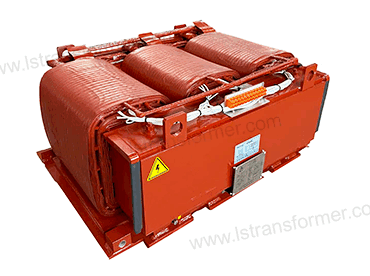
What are the structural characteristics of dry-type transformers? The structural characteristics ofdry-type transformersconfer unique advantages across various applications, particularly in environments where high safety, reliability, and environmental friendliness are essential. The main structural features of dry-type transformers are as follows: Content 1. Safety, Fire Resistance, and Pollution-Free: Dry-type transformers, which...
What are the characteristics of dry-type transformers?
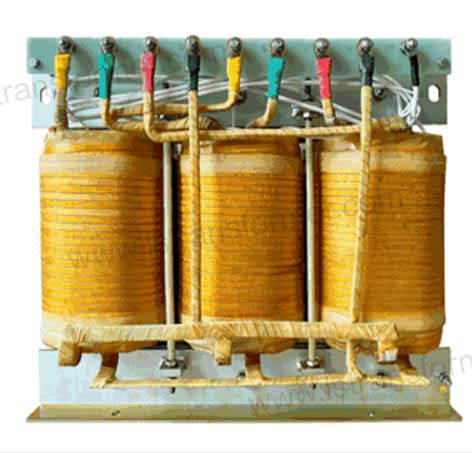
What are the characteristics of dry-type transformers? Dry-type transformers possess several distinct characteristics that render them advantageous and suitable for specific applications. Content 1. Insulation and Cooling Characteristics: Dry-type transformers use air as the insulating medium. Compared to oil-immersed transformers, air haslower insulation strength and cooling performance. To compensate for...
What are the structural characteristics of a cylindrical winding?
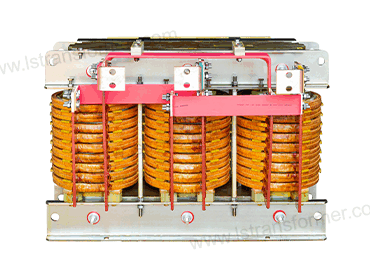
What are the structural characteristics of a cylindrical winding? Cylindrical windings can be classified intosingle-layer,double-layer, andmulti-layer configurations. Single-layer windings are simple in structure and have good processability, but they have relatively poor end support stability. Double-layer windings are formed by connecting1 to 6 flat conductors to a winding mold and winding...