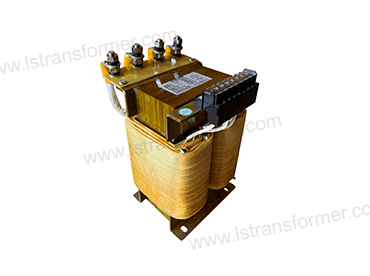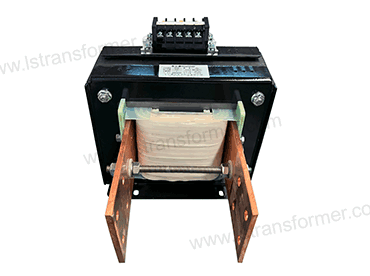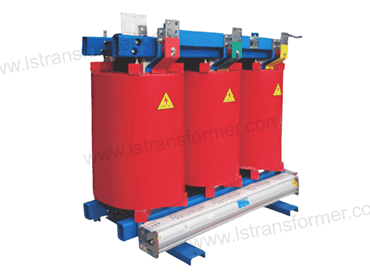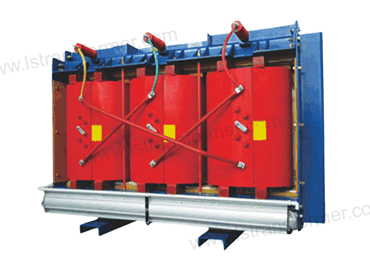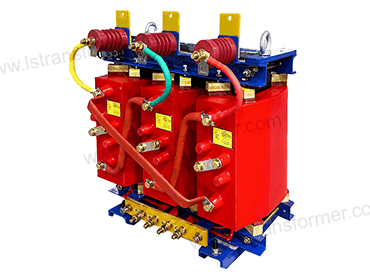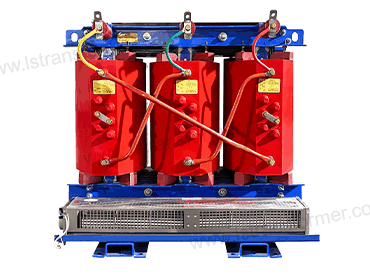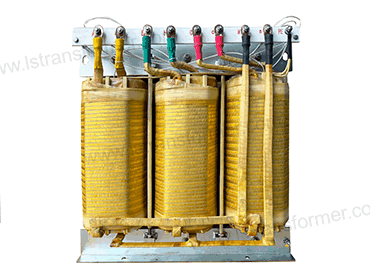






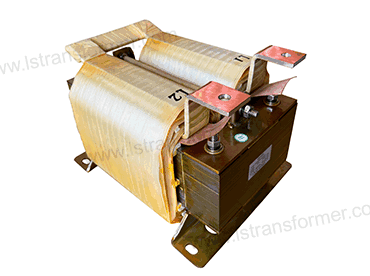
Les Méthodes de câblage de Réacteurs dans les Systèmes Électriques

La maison > FAQ > Page 23
FAQ

Les Méthodes de câblage de Réacteurs dans les Systèmes Électriques

Wiring Methods of Reactors in Electrical Systems Reactor wiring is a critical aspect of electrical system design and operation. There are several different methods that can be used to connect reactors in a circuit, each with its own advantages and disadvantages. One common method is to wire reactors in series, which can help increase overall
FAQ

What Materials Are Used for the Manufacturing of Vacuum-Impregnated Transformers and How Do They Affect Performance?

Vacuum-impregnated transformers use a variety of materials in their construction. The core material, insulation material, and other components must all be carefully chosen to ensure optimal performance. The core material used in vacuum-impregnated transformers is typically made of ferrous material such as iron, steel, or an alloy. The material must have good electrical and magnetic

FAQ

Advantages and Features of Vacuum Epoxy Resin Cast Transformer

Vacuum epoxy resin cast transformer, also known as dry-type transformer, is a type of transformer that uses epoxy resin as the main insulation material and is cast under vacuum conditions. Compared with traditional oil-immersed transformers, vacuum epoxy resin cast transformers have many advantages and unique features. One of the most significant advantages of vacuum epoxy

FAQ

What is the Difference between Vacuum-Impregnated Transformers and Traditional Oil-Immersed Transformers?

Vacuum-impregnated transformers and traditional oil-immersed transformers are two different types of transformers used in different applications. The main difference between the two types of transformers is in their insulation system. Vacuum-impregnated transformers use a vacuum-impregnated insulation system. This involves using a vacuum chamber to evacuate air from the inside of the transformer. Once the air

FAQ

Vide Époxy de Coulée Transformateur de Développement et Perspectives

Vacuum epoxy casting technology is widely used in the production of transformers, due to its ability to improve the performance of transformers. With the development of technology, vacuum epoxy casting transformers are becoming an increasingly important part of the transformer industry, with certain advantages and disadvantages. This article will discuss the development of vacuum epoxy

FAQ

Haute Altitude Application de Vide de Résine Époxy Fonte Transformateur

Transformers play a crucial role in the transmission and distribution of electricity in various industries. One particular application that presents a unique challenge is the use of transformers in high-altitude areas, such as mountainous regions or in aerospace applications. In these areas, the environmental conditions, such as low pressure and low temperature, can significantly affect

FAQ

Vide Époxy de Coulée Transformateur d'Entretien et de Maintenance

Transformers produced with vacuum epoxy casting technology are a great option to improve the performance of the transformer, but they also require regular maintenance and inspection in order to ensure their safety and quality. In order to maximize the performance and service life of vacuum epoxy casting transformers, regular maintenance and inspection of the equipment

FAQ

Les facteurs déterminant la durée de vie de l'aspirateur résine de fonte des transformateurs

Vacuum cast resin transformers are widely used in various industrial applications due to their high reliability and long lifespan. However, the lifespan of these transformers can vary depending on several factors. The design and quality of the transformer’s components are crucial in determining its lifespan. A well-designed transformer with high-quality components will typically have a

FAQ

Vide Époxy de Coulée Transformateur de Diagnostic des Pannes et des contre-mesures

Vacuum epoxy casting technology is widely used in transformer production to improve the performance of transformers. However, due to the complexity of the process and the use of high temperature and vacuum, it can also lead to faults in some transformers. Therefore, it is important to have a good understanding of the fault diagnosis and

FAQ

Comment fonctionne le test de charge de l'exécution du transformateur de travail?

How does the load test run of the transformer work? When conducting a load test for transformers, the transformer can proceed to the load test phase only if there are no abnormalities during 24 hours of no-load operation. The specific operational steps are outlined below: (1) Gradual Load Increase: Initiate the operation with a 25%

WhatsApp QR WeChat QR IVL 0.013mH-610A
Faire défiler vers le Haut