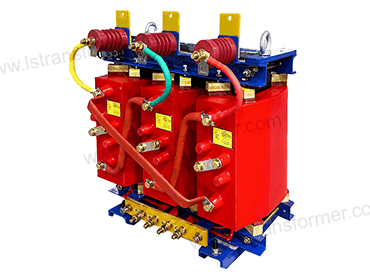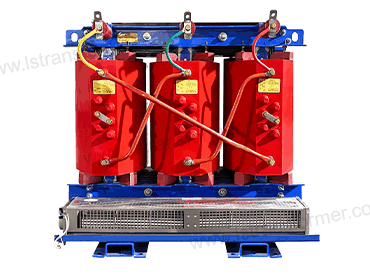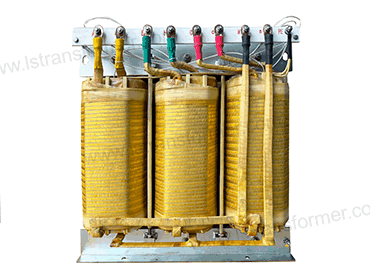






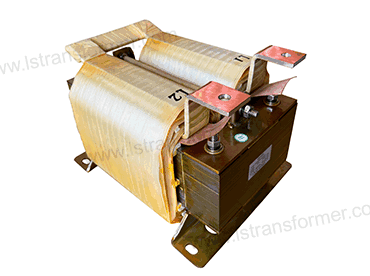
結線方法の原子炉による電気システム

ホーム > FAQ > ページ 23
FAQ

結線方法の原子炉による電気システム

Wiring Methods of Reactors in Electrical Systems Reactor wiring is a critical aspect of electrical system design and operation. There are several different methods that can be used to connect reactors in a circuit, each with its own advantages and disadvantages. One common method is to wire reactors in series, which can help increase overall inductance and reduce current ripple. Another method is to wire reactors in parallel, which can help distribute current more evenly and reduce the risk of overheating. It’s also important to consider the type of connection used, such as delta or wye, as well as the use of taps or adjustable reactors for greater flexibility in
FAQ

What Materials Are Used for the Manufacturing of Vacuum-Impregnated Transformers and How Do They Affect Performance?

Vacuum-impregnated transformers use a variety of materials in their construction. The core material, insulation material, and other components must all be carefully chosen to ensure optimal performance. The core material used in vacuum-impregnated transformers is typically made of ferrous material such as iron, steel, or an alloy. The material must have good electrical and magnetic properties, and be able to handle the voltage and current flowing through the transformer. The material should also be able to dissipate heat quickly and efficiently. The insulation material used in vacuum-impregnated transformers is typically a combination of organic and inorganic materials. These materials are chosen based on their ability to withstand high temperatures and

FAQ

Advantages and Features of Vacuum Epoxy Resin Cast Transformer

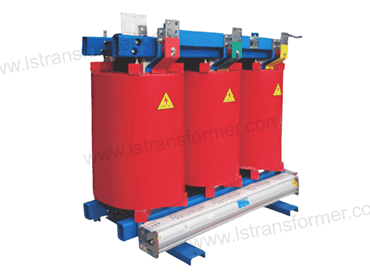
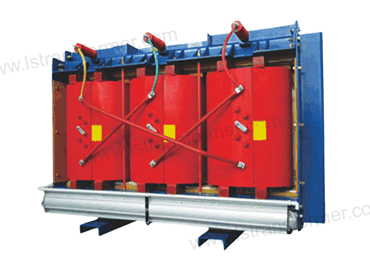
Vacuum epoxy resin cast transformer, also known as dry-type transformer, is a type of transformer that uses epoxy resin as the main insulation material and is cast under vacuum conditions. Compared with traditional oil-immersed transformers, vacuum epoxy resin cast transformers have many advantages and unique features. One of the most significant advantages of vacuum epoxy resin cast transformers is their safety. Unlike oil-immersed transformers, vacuum epoxy resin cast transformers do not use flammable liquids as insulation material, so they are less prone to fire and explosion. In addition, vacuum epoxy resin cast transformers are also more resistant to short circuits, which can further enhance their safety. Another advantage of vacuum

FAQ

What is the Difference between Vacuum-Impregnated Transformers and Traditional Oil-Immersed Transformers?

Vacuum-impregnated transformers and traditional oil-immersed transformers are two different types of transformers used in different applications. The main difference between the two types of transformers is in their insulation system. Vacuum-impregnated transformers use a vacuum-impregnated insulation system. This involves using a vacuum chamber to evacuate air from the inside of the transformer. Once the air is evacuated, a special type of insulation material is introduced and quickly cured. This insulation has a high level of performance and can withstand higher temperatures and temperatures fluctuations. Traditional oil-immersed transformers use a different type of insulation system. This system involves using mineral oil to provide an insulating layer between the transformer core and

FAQ

真空エポキシ鋳造トランス開発と展望

Vacuum epoxy casting technology is widely used in the production of transformers, due to its ability to improve the performance of transformers. With the development of technology, vacuum epoxy casting transformers are becoming an increasingly important part of the transformer industry, with certain advantages and disadvantages. This article will discuss the development of vacuum epoxy casting transformers, and their potential prospects for the future. First, in terms of development, vacuum epoxy casting technology has greatly improved the performance and durability of transformers. With the increasing demand for higher performance and longer service life, vacuum epoxy casting technology has ensured that transformers have more reliable insulation performance and better mechanical properties.

FAQ

高高度用真空エポキシ樹脂キャストトランス

Transformers play a crucial role in the transmission and distribution of electricity in various industries. One particular application that presents a unique challenge is the use of transformers in high-altitude areas, such as mountainous regions or in aerospace applications. In these areas, the environmental conditions, such as low pressure and low temperature, can significantly affect the performance and reliability of transformers. Therefore, the design and manufacture of transformers intended for high-altitude applications must consider these conditions to ensure optimal operation. Vacuum epoxy resin cast transformers have become a popular choice for high-altitude applications due to their excellent insulation performance and high mechanical strength. These transformers are designed with special consideration

FAQ

真空エポキシ鋳造トランスの保守及びメンテナンス

Transformers produced with vacuum epoxy casting technology are a great option to improve the performance of the transformer, but they also require regular maintenance and inspection in order to ensure their safety and quality. In order to maximize the performance and service life of vacuum epoxy casting transformers, regular maintenance and inspection of the equipment and the transformer should be done. The first step in maintaining a vacuum epoxy casting transformer is to check the condition of the mold and the furnace. The mold and the furnace must be properly maintained and regularly inspected for any signs of wear or damage. The furnace must also be kept clean and free

FAQ

を決定する因子の寿命真空鋳樹脂トランス

Vacuum cast resin transformers are widely used in various industrial applications due to their high reliability and long lifespan. However, the lifespan of these transformers can vary depending on several factors. The design and quality of the transformer’s components are crucial in determining its lifespan. A well-designed transformer with high-quality components will typically have a longer lifespan than a poorly designed transformer with low-quality components. Therefore, it is important to choose a reputable manufacturer with a proven track record of producing high-quality transformers. Another important factor that affects the lifespan of vacuum cast resin transformers is the operating conditions. If a transformer is operated outside its rated capacity, it may

FAQ

真空エポキシ鋳造トランス診断-対策

Vacuum epoxy casting technology is widely used in transformer production to improve the performance of transformers. However, due to the complexity of the process and the use of high temperature and vacuum, it can also lead to faults in some transformers. Therefore, it is important to have a good understanding of the fault diagnosis and countermeasures for vacuum epoxy casting transformer. The most common fault of the vacuum epoxy casting transformer is the uneven insulation performance of the transformer. This can result from the improper molding of the transformer, or the uneven heating or cooling of the transformer during the production process. To diagnose this type of fault, the transformer

FAQ

どのような負荷試運転のトランス。

How does the load test run of the transformer work? When conducting a load test for transformers, the transformer can proceed to the load test phase only if there are no abnormalities during 24 hours of no-load operation. The specific operational steps are outlined below: (1) Gradual Load Increase: Initiate the operation with a 25% load, gradually increasing it to 50%, 75%, and finally reaching full-load testing. Throughout this process, it is essential to ensure that there is no leakage of oil from the seals and weld seams. (2) Cooling System Activation: As the transformer temperature rises during load testing, a certain number of cooling systems should be gradually activated.

WhatsAppにQR WeChat QR sales@hnlsdz.com
スクロールトップ