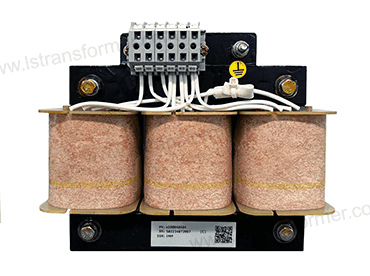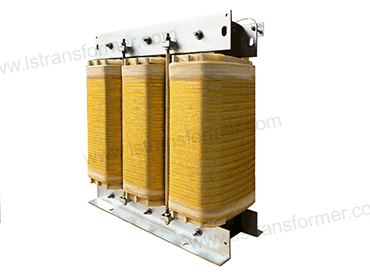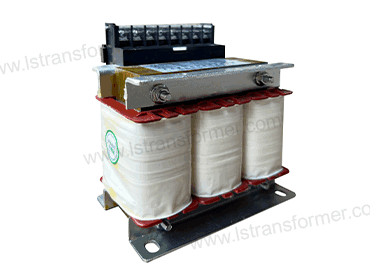






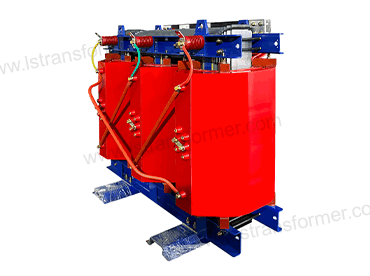
電磁干渉免疫の真空エポキシ樹脂鋳造トランス

ホーム > FAQ > ページ 24
FAQ

電磁干渉免疫の真空エポキシ樹脂鋳造トランス

With the development of modern industry and the widespread use of electronic equipment, the problem of electromagnetic interference (EMI) has become increasingly serious. Vacuum epoxy resin casting transformer, as a type of power transformer, is also affected by electromagnetic interference. Therefore, the electromagnetic interference immunity of the vacuum epoxy resin casting transformer has become a key parameter to ensure its stable and reliable operation. The electromagnetic interference immunity of the vacuum epoxy resin casting transformer is related to the design and production process of the transformer. The transformer must have good shielding and grounding measures to prevent external electromagnetic interference from entering the transformer. In addition, the transformer’s winding structure
FAQ

何のための無負荷試運転のトランス

What’s the Steps for No-Load Trial Operation of Transformers (1) During the trial operation phase, start by placing the tap changer in the middle position and conduct a no-load trial run. Then, gradually switch to various positions, observing the contacts for proper engagement and ensuring normal operation. (2) If the transformer is connected as a unit with a generator, during the initial startup, gradually increase the voltage to full voltage. For newly installed or overhauled transformers, a full-voltage impulse closing test must be conducted 3 to 5 times to verify the qualification of insulation performance, mechanical strength, electrical protection, fuse devices, and to check for the possibility of misoperation. (3) After

FAQ

絶縁デザインの真空エポキシキャストトランス

Vacuum epoxy cast transformers are widely used in power systems due to their excellent electrical insulation and mechanical strength. Insulation design is a crucial factor for the performance and reliability of these transformers. The insulation system of a vacuum epoxy cast transformer includes solid insulation and liquid insulation. Solid insulation includes insulating materials such as mica, glass fiber, and epoxy resin. These materials are used to insulate the conductor, core, and winding of the transformer. Liquid insulation includes transformer oil, which is used to insulate and cool the transformer. The insulation design of a vacuum epoxy cast transformer must consider the electrical, thermal, and mechanical stresses that the transformer will

FAQ

の構造と機能のトランス?

What is the Structure and Functions of transformer? The fundamental structure of a transformer comprises a core, winding, and insulation components. In order to ensure the safe and reliable operation of the transformer, it is also equipped with components such as an oil tank, voltage-regulating device, cooling system, and protective devices. The following is a detailed explanation of the structure and functions of each part of the transformer: 1. Body (1) Core: Functions as the magnetic circuit. (2) Winding: Serves the purpose of an electrical circuit. (3) Insulation components (4) Lead wire 2. Voltage-Regulating Device Used to change the number of winding turns and adjust the voltage. 3. Oil Tank and Cooling System (1) Oil

FAQ

熱管理、温度管理戦略の真空用エポキシ樹脂キャストトランス

Thermal management and temperature control are crucial for the safe and efficient operation of vacuum epoxy resin cast transformers. The transformer should be designed with proper thermal management to prevent overheating, which can cause insulation failure and even fire hazards. The temperature inside the transformer should be controlled within a certain range. Overheating can be prevented by using cooling systems such as air or water cooling. The cooling system should be designed according to the transformer’s power rating and operating conditions. Temperature control strategy is also important to ensure stable and reliable operation of the transformer. The temperature can be measured by temperature sensors, and then controlled by a temperature

FAQ

何の目的と意義の部分放電試験

What’s the Purpose and Significance of Partial Discharge Testing Partial discharge refers to the phenomenon of discharge that occurs between electrodes but does not penetrate them. It is caused by weaknesses in the insulation of electrical equipment or defects in the manufacturing process, leading to repeated breakdowns and extinguishing under high electric field intensity. This discharge manifests as breakdown of insulation gas, local breakdown of solid or liquid media within a small range, and local breakdown discharge caused by the concentration of electric field strength at the edges and corners of metal surfaces. Although the energy of this discharge is small, its short-term existence does not affect the insulation strength of

FAQ

試験に必要な真空用エポキシ樹脂キャストトランス

Vacuum epoxy resin cast transformers are widely used due to their various advantages, including low noise, low partial discharge, high reliability, and long service life. To ensure the safe and stable operation of these transformers, several tests need to be conducted before putting them into operation. (1) Insulation resistance test: This test is performed to ensure the proper insulation resistance of the transformer windings. A megger is used to measure the insulation resistance between the winding and ground. The recommended value for insulation resistance is 1 megaohm or higher. (2) Ratio test: The ratio test is conducted to verify the turns ratio of the transformer. The actual turns ratio is

FAQ

の電圧レベルの変換ラインがありますか? どのようにまと区別するステップアップとステップダウントランス?

What are the voltage levels of transmission and transformation lines in China? How can we distinguish between step-up and step-down transformers? In China, the voltage levels of transmission and transformation lines include the following values (kV): 0.38, 3, 6, 10, 15 (20), 35, 60, 110, 220, 330, 500. The voltage at the beginning (power source end) of the line is higher relative to these values. In voltage levels of 10kV and below, the starting voltage is 5% higher; for voltage levels above 10kV, the starting voltage is 10% higher. Therefore, the rated voltage of transformers also increases accordingly. The rated voltage (kV) of the starting transformers for the line is:

FAQ

どの電源トランス類による断熱-冷却媒体?

How are Power Transformers Classified by Insulation and Cooling Medium? Power transformers can be classified based on the insulation and cooling media of the winding, mainly including liquid-immersed, gas, and dry-type transformers. 1. Liquid-Immersed Transformers: Liquid-immersed transformers use insulating liquid to immerse the winding and the insulation outside the winding. This liquid serves as both the insulation medium and the cooling medium for the winding. Insulating liquids include transformer oil, polychlorinated biphenyl (PCB), silicon oil, beta oil, alpha oil, and composite insulation liquids. (1) Oil-Immersed Transformers: Oil-immersed transformers use transformer oil as the insulation and cooling medium. Despite environmental concerns, transformer oil is still widely used due to its excellent performance and

FAQ

その断層の分類のトランス?

What are the fault classifications of transformers? Faults in oil-immersed power transformers are generally divided into two main categories: internal faults and external faults. Internal faults primarily occur within the transformer’s oil tank, including phase-to-phase short circuits between winding groups, turn-to-turn short circuits between winding turns, and grounding faults caused by winding or lead wires touching the outer casing. External faults mainly occur on the external insulation bushings and lead wires of the transformer’s oil tank, involving flashovers or fractures of insulation bushings leading to grounding short circuits through the outer casing and phase-to-phase faults between lead wires, which may lead to internal faults or deformation of windings. Internal faults

WhatsAppにQR WeChat QR sales@hnlsdz.com
スクロールトップ