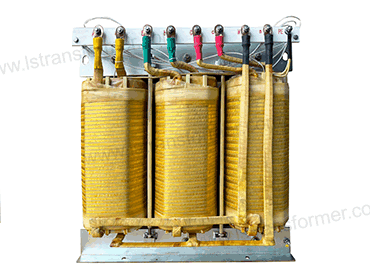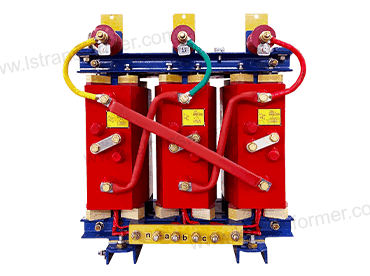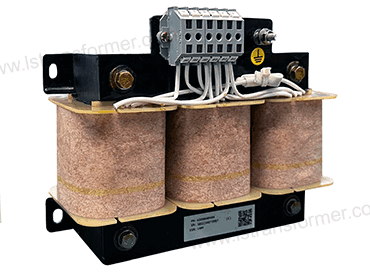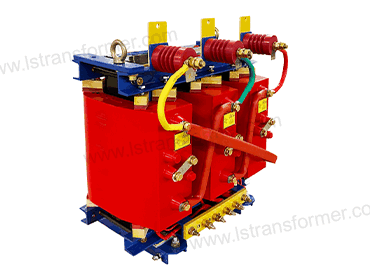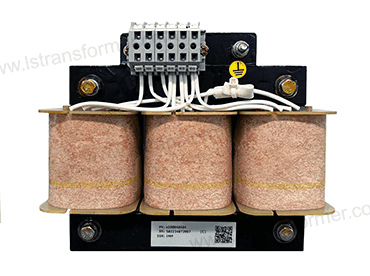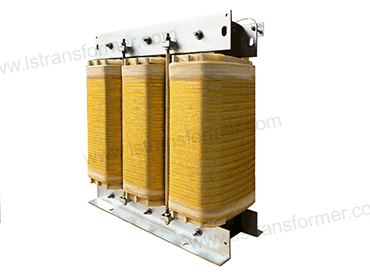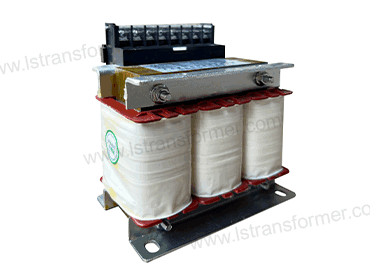






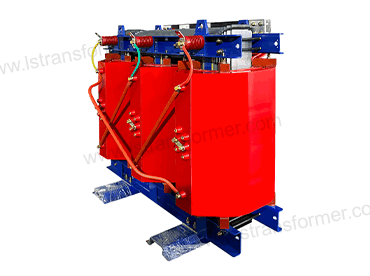
L'Interférence électromagnétique Immunité de Vide de Résine Époxyde de Moulage de Transformateur

La maison > FAQ > Page 24
FAQ

L'Interférence électromagnétique Immunité de Vide de Résine Époxyde de Moulage de Transformateur

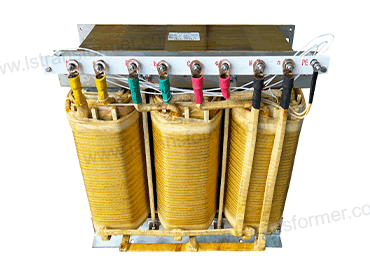
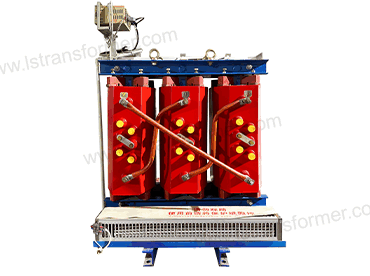
With the development of modern industry and the widespread use of electronic equipment, the problem of electromagnetic interference (EMI) has become increasingly serious. Vacuum epoxy resin casting transformer, as a type of power transformer, is also affected by electromagnetic interference. Therefore, the electromagnetic interference immunity of the vacuum epoxy resin casting transformer has become a
FAQ

Quelles sont les Étapes pour Aucune Charge d'Essai de Fonctionnement des Transformateurs

What’s the Steps for No-Load Trial Operation of Transformers (1) During the trial operation phase, start by placing the tap changer in the middle position and conduct a no-load trial run. Then, gradually switch to various positions, observing the contacts for proper engagement and ensuring normal operation. (2) If the transformer is connected as a unit

FAQ

L'isolation de la Conception de Vide Époxy Fonte des Transformateurs

Vacuum epoxy cast transformers are widely used in power systems due to their excellent electrical insulation and mechanical strength. Insulation design is a crucial factor for the performance and reliability of these transformers. The insulation system of a vacuum epoxy cast transformer includes solid insulation and liquid insulation. Solid insulation includes insulating materials such as

FAQ

Qu'est-ce que la Structure et les Fonctions de transformateur?

What is the Structure and Functions of transformer? The fundamental structure of a transformer comprises a core, winding, and insulation components. In order to ensure the safe and reliable operation of the transformer, it is also equipped with components such as an oil tank, voltage-regulating device, cooling system, and protective devices. The following is a detailed explanation

FAQ

La Gestion thermique et de Contrôle de la Température de la Stratégie pour le Vide de Résine Époxy Fonte Transformateur

Thermal management and temperature control are crucial for the safe and efficient operation of vacuum epoxy resin cast transformers. The transformer should be designed with proper thermal management to prevent overheating, which can cause insulation failure and even fire hazards. The temperature inside the transformer should be controlled within a certain range. Overheating can be

FAQ

Quel est le But et la Signification de Test des décharges Partielles

What’s the Purpose and Significance of Partial Discharge Testing Partial discharge refers to the phenomenon of discharge that occurs between electrodes but does not penetrate them. It is caused by weaknesses in the insulation of electrical equipment or defects in the manufacturing process, leading to repeated breakdowns and extinguishing under high electric field intensity. This discharge

FAQ

Les essais Requis pour le Vide de Résine Époxy Fonte des Transformateurs

Vacuum epoxy resin cast transformers are widely used due to their various advantages, including low noise, low partial discharge, high reliability, and long service life. To ensure the safe and stable operation of these transformers, several tests need to be conducted before putting them into operation. (1) Insulation resistance test: This test is performed to

FAQ

Quels sont les niveaux de tension de la transmission et de la transformation des lignes en Chine? Comment peut-on distinguer entre step-up et des transformateurs abaisseurs de tension?

What are the voltage levels of transmission and transformation lines in China? How can we distinguish between step-up and step-down transformers? In China, the voltage levels of transmission and transformation lines include the following values (kV): 0.38, 3, 6, 10, 15 (20), 35, 60, 110, 220, 330, 500. The voltage at the beginning (power source

FAQ

Comment sont les Transformateurs de Puissance Classée par l'Isolation et du Milieu de Refroidissement?

How are Power Transformers Classified by Insulation and Cooling Medium? Power transformers can be classified based on the insulation and cooling media of the winding, mainly including liquid-immersed, gas, and dry-type transformers. 1. Liquid-Immersed Transformers: Liquid-immersed transformers use insulating liquid to immerse the winding and the insulation outside the winding. This liquid serves as both the

FAQ

Quelles sont les pannes les classifications des transformateurs?

What are the fault classifications of transformers? Faults in oil-immersed power transformers are generally divided into two main categories: internal faults and external faults. Internal faults primarily occur within the transformer’s oil tank, including phase-to-phase short circuits between winding groups, turn-to-turn short circuits between winding turns, and grounding faults caused by winding or lead wires

WhatsApp QR WeChat QR IVL 0.013mH-610A
Faire défiler vers le Haut