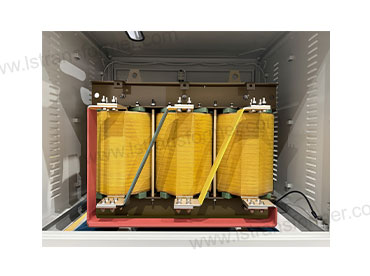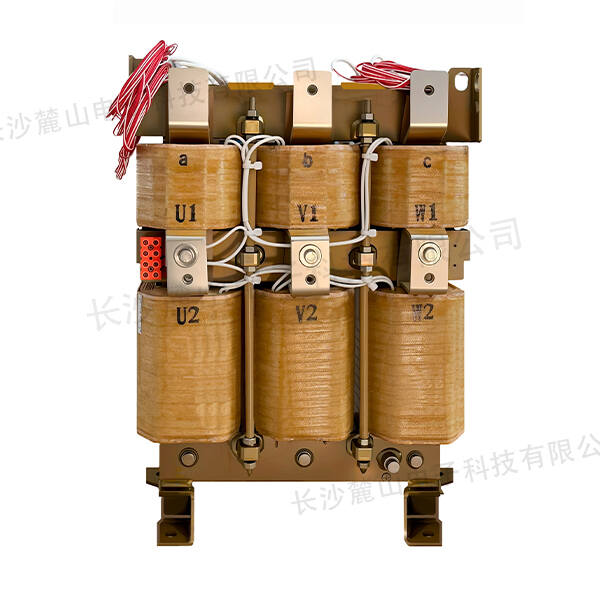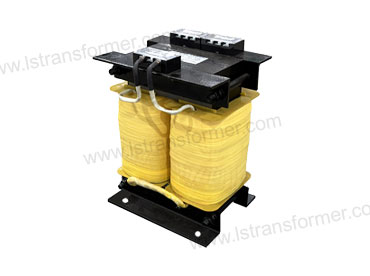






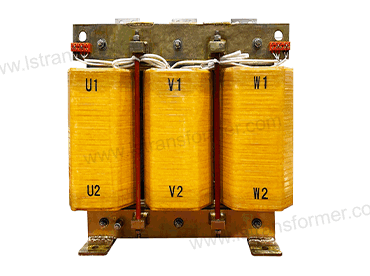
Why Does Solar Power Plant Output Drop Suddenly? —Core Causes and Smart Solutions for Reactor Failures

La maison > FAQ > Page 35
FAQ

Why Does Solar Power Plant Output Drop Suddenly? —Core Causes and Smart Solutions for Reactor Failures

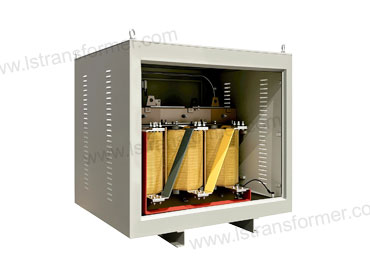
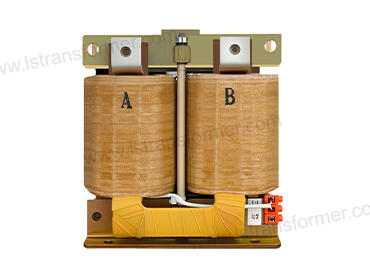
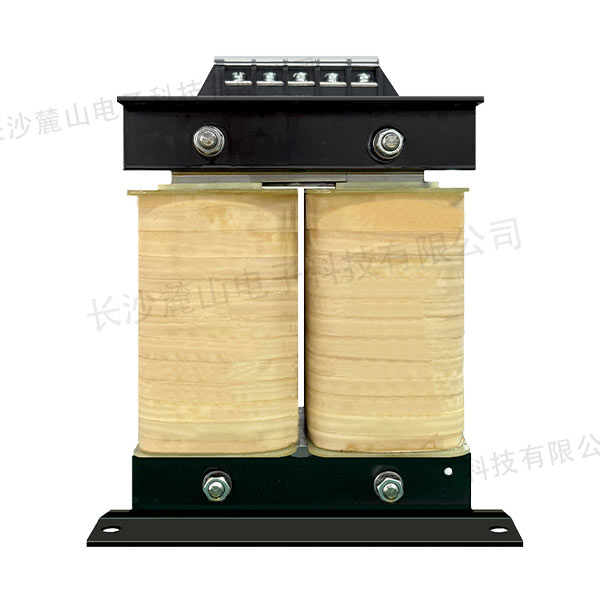
Why Does Solar Power Plant Output Drop Suddenly? —Core Causes and Smart Solutions for Reactor Failures As global photovoltaic (PV) capacity exceeds 1 terawatt (TW), solar plant operators face growing operational challenges. According to the International Energy Agency (IEA), 23% of solar power generation losses are directly linked to reactor failures, causing annual economic losses
FAQ

What Are the Special Process Requirements for Center Tap Termination in High-Frequency Transformers?

What Are the Special Process Requirements for Center Tap Termination in High-Frequency Transformers? High-frequency transformers play a critical role in modern electronic devices, especially in switch-mode power supplies, inverters, and RF circuits. The center tap, as a key design feature of high-frequency transformers, directly impacts their performance, efficiency, and reliability. This article explores the special

FAQ

The Smart Grid Era: Evolution of Digital Transformer Technology

The Smart Grid Era: Evolution of Digital Transformer Technology The global energy system is undergoing a profound transformation driven by smart grid technology. According to the International Energy Agency (IEA), global investments in smart grids are projected to exceed $400 billion by 2030. As the “nerve nodes” of power grids, digital transformers are evolving from

FAQ

How to Compensate for Three-Phase Imbalance? —A Step-by-Step Breakdown of Reactor + SVG Hybrid Mitigation Solution

How to Compensate for Three-Phase Imbalance? —A Step-by-Step Breakdown of Reactor + SVG Hybrid Mitigation Solution In industrial plants, data centers, and renewable energy power stations, “three-phase imbalance leading to soaring line losses and equipment damage” has become a core pain point in global power systems. According to IEEE 1159 standards, a 10% three-phase imbalance

FAQ

​Key Points of Explosion-Proof Design for Oil-Immersed Transformers: How Do Pressure Relief Devices and Gas Relays Work Together?

Key Points of Explosion-Proof Design for Oil-Immersed Transformers: How Do Pressure Relief Devices and Gas Relays Work Together? Oil-immersed transformers are widely used in global power infrastructure due to their excellent insulation and heat dissipation capabilities. However, internal faults can lead to a rapid increase in pressure and decomposition of insulating oil, posing a serious

FAQ

Lightning and Surge Protection:Innovations in Transformer Insulation Technology

In the context of the accelerating global interconnection of power grids, transformers—as core equipment for energy transmission—face severe challenges related to lightning strikes and surges (transient overvoltages). According to data from the International Energy Agency (IEA), transformer failures caused by lightning strikes result in annual economic losses exceeding $5 billion USD, with tropical regions (e.g.,

FAQ

Can Power Be Restored Immediately After a Heavy Gas Trip? —Detailed Process of Fault Gas Chromatography Analysis

Can Power Be Restored Immediately After a Heavy Gas Trip? —Detailed Process of Fault Gas Chromatography Analysis When a transformer’s heavy gas element (Buchholz Relay Heavy Gas Element) trips, operators face a critical question: Can power be restored immediately? This decision directly impacts equipment safety and grid stability. Incorrect judgments may worsen the fault, potentially

FAQ

How to Suppress Reactor Resonance Overvoltage? – Collaborative Design of Damping Resistors and Filters

How to Suppress Reactor Resonance Overvoltage?  – Collaborative Design of Damping Resistors and Filters In power system operation, the LC resonance circuit formed by reactors and distributed capacitance can generate dangerous overvoltage phenomena. According to measured data from IEEE Std. C57.21-2021, the peak resonance overvoltage can reach 2-3 times the rated voltage, posing a serious

FAQ

Which is More Reliable: Laser Welding, Soldering, or Cold Crimping?​ —A Comparison of Winding Wire Joining Processes

Which is More Reliable: Laser Welding, Soldering, or Cold Crimping? —A Comparison of Winding Wire Joining Processes In the manufacturing of transformers and reactors, the choice of joining process directly impacts device efficiency, lifespan, and failure rates. Laser welding, soldering, and cold crimping exhibit significant differences in conductivity, mechanical strength, and thermal stability. Each method

WhatsApp QR WeChat QR IVL 0.013mH-610A
Faire défiler vers le Haut