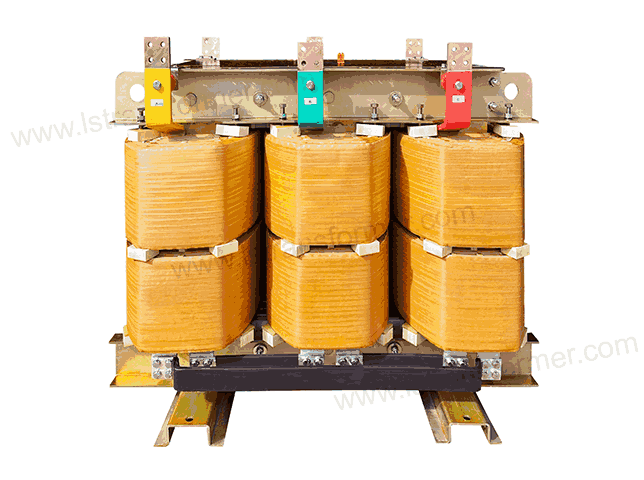






What Special Designs Must Fireproof Transformers Meet?

ホーム > 投稿者: 369703005 > ページ 39
FAQ

What Special Designs Must Fireproof Transformers Meet?

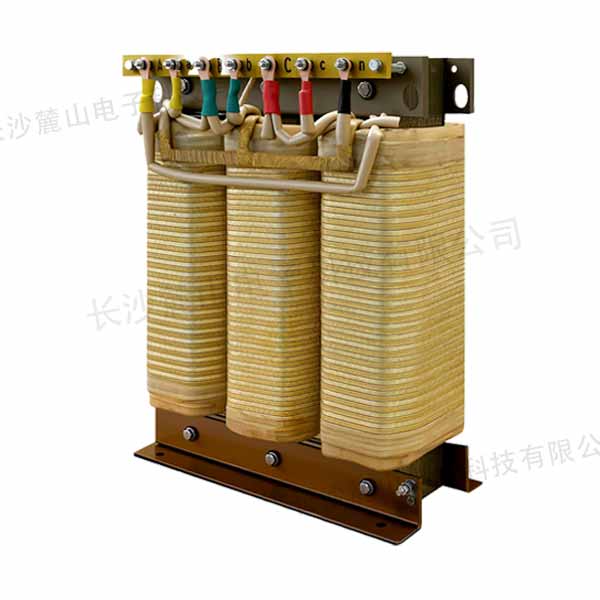
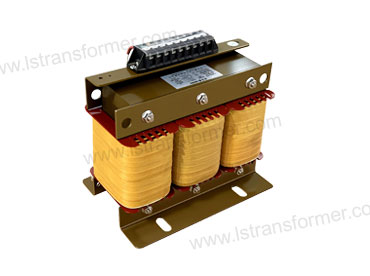
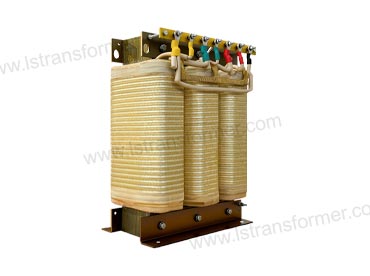
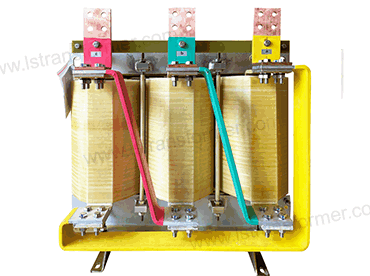
What Special Designs Must Fireproof Transformers Meet? —UL-Certified Flame-Retardant Material Requirements In the context of increasingly stringent global safety standards for electrical equipment, fireproof transformers have become critical safety devices in industrial, commercial, and residential power systems. These transformers must not only meet basic electrical performance requirements but also comply with flame-retardant material testing standards set by international certification bodies such as UL (Underwriters Laboratories). This article provides a detailed analysis of the special design, material selection, and certification requirements for fireproof transformers. Content 1. Why Do Fireproof Transformers Require Special Designs? Transformers may overheat or even catch fire due to prolonged overload, insulation aging, or short-circuit faults. According to […]
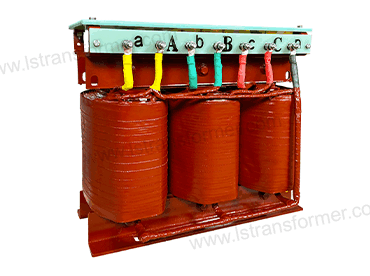
FAQ

How to Protect Offshore Wind Power Transformer Wires from Salt Spray Corrosion?

How to Protect Offshore Wind Power Transformer Wires from Salt Spray Corrosion? Offshore wind power, as a vital component of the renewable energy sector, is undergoing rapid development. However, the harsh offshore environment, particularly high salt spray conditions, poses severe challenges to the reliability of wind power equipment. As the core component of wind power systems, the durability of transformers directly impacts the operational efficiency and lifespan of entire wind farms. This article delves into the key technologies and solutions for protecting offshore wind power transformer wires from salt spray corrosion, providing valuable insights for the industry. Content 1. The Mechanism of Salt Spray Corrosion on Transformer Wires Salt spray

FAQ

Why Must High-Grade Oil-Resistant Wires Be Used in EV Charging Pile Transformers?

Why Must High-Grade Oil-Resistant Wires Be Used in EV Charging Pile Transformers? With the rapid expansion of the global electric vehicle (EV) market, the construction of charging infrastructure has become a focal point for governments and businesses worldwide. As a core component of charging piles, the performance of transformers directly impacts charging efficiency, safety, and service life. Among these, the selection of internal insulating wires is particularly critical, and the use of high-grade oil-resistant wires has become an industry standard. This article delves into why EV charging pile transformers must employ high-grade oil-resistant wires, analyzing the topic from multiple perspectives, including technical standards, performance requirements, and economic benefits. Content 1.

FAQ

​How to Scientifically Combat Salt Spray Corrosion in Offshore Wind Power Transformers? —In-Depth Analysis of Protection Technologies and International Standards

How to Scientifically Combat Salt Spray Corrosion in Offshore Wind Power Transformers? —In-Depth Analysis of Protection Technologies and International Standards The global offshore wind power capacity is projected to exceed 380GW by 2030. However, in harsh marine environments, the failure rate of transformers due to salt spray corrosion is 3-5 times higher than that of onshore equipment. Chloride ions (Cl⁻) in salt spray combine with moisture to form an electrolyte, triggering electrochemical corrosion cycles in metals. This not only causes an annual power generation loss of 0.8-1.5% but also poses significant safety risks. This article will provide a systematic analysis of salt spray corrosion protection solutions, aligned with the three

FAQ

Which Country Markets Accept Aluminum as a Substitute for Copper Windings? ​—A Cost-Reduction Strategy for Transformer Manufacturing

Which Country Markets Accept Aluminum as a Substitute for Copper Windings? —A Cost-Reduction Strategy for Transformer Manufacturing Amid the global energy transition and power infrastructure upgrades, the manufacturing costs of transformers and reactors have become a key industry focus. Copper, the traditional conductive material, offers excellent performance but comes at a high price, prompting manufacturers to seek alternatives. Aluminum windings, due to their cost advantages, are gradually gaining acceptance in some markets. However, different countries vary widely in their acceptance of aluminum-wound transformers, influenced by technical standards, regulatory policies, and user preferences. This article analyzes the global market acceptance of aluminum-wound transformers, examines their technical feasibility and cost-effectiveness, and provides

FAQ

How to Handle Transformer Light Gas Alarm? — An Authoritative Guide by Global Maintenance Experts

How to Handle Transformer Light Gas Alarm? — An Authoritative Guide by Global Maintenance Experts The light gas alarm in a transformer is a critical early warning signal in power systems. As one of the most essential non-electrical protections for transformers, the activation of the light gas contact in a Buchholz relay directly indicates abnormal gas generation inside the equipment. Ignoring or mishandling this alarm can lead to accelerated insulation degradation, latent fault expansion, and ultimately costly transformer failures or even catastrophic accidents. This guide, based on the International Electrotechnical Commission (IEC) 60599 and the Institute of Electrical and Electronics Engineers (IEEE) C57.104 standards, provides a clear, actionable global response

FAQ

Environmental Adaptability Requirements of Reactors in High-Speed Railway Traction Systems

As a core pillar of modern transportation, high-speed rail relies heavily on the stability of its traction system under harsh operating conditions. Reactors, being a critical component of traction converters, directly impact train reliability and safety through their environmental adaptability. This article provides an in‑depth analysis of key environmental adaptability requirements for reactors in high‑speed railway traction systems and the underlying technical principles.   Content 1. Resistance to Extreme Mechanical Vibration and Shock 1.1 Reason: High‑speed trains operate at speeds of 250–350 km/h, where track irregularities, switches, and aerodynamic disturbances cause intense vibration and shock. Test data show that critical onboard components must withstand random vibrations of at least 5 Grms

FAQ

How to Prevent Small Animals from Entering Outdoor Transformer Enclosures and Causing Short Circuits?

How to Prevent Small Animals from Entering Outdoor Transformer Enclosures and Causing Short Circuits? Outdoor transformers are essential components of power systems, yet short circuits caused by small animals (such as squirrels, birds, snakes, etc.) entering transformer enclosures remain a significant challenge for the power industry. This article provides a detailed analysis of why small animals cause transformer short circuits and offers a series of proven protective measures to help you effectively address this issue. Content 1.Why Do Small Animals Cause Short Circuits in Transformers? The entry of small animals into transformer enclosures is a common but serious problem. The root causes can be analyzed from the following perspectives: (1)

FAQ

Why Do Transformers in the Chemical Industry Require High Ingress Protection (IP) Ratings?

Why Do Transformers in the Chemical Industry Require High Ingress Protection (IP) Ratings? In the power systems of the chemical industry, the choice oftransformer protection level directly impacts equipment safety, reliability, and service life. Chemical environments often contain harsh factors such as corrosive gases, dust, and moisture, which impose higher demands on the protective performance of transformer enclosures. TheIP rating standard established by the International Electrotechnical Commission (IEC) provides a scientific basis for selecting transformer housings. This article will analyze the selection criteria for transformer enclosure protection levels in the chemical industry, explore the characteristics and applicable scenarios of different IP ratings, and introduce relevant international standards and testing methods to help

FAQ

Why Mining Transformers Require Dual Explosion-Proof and Moisture-Resistant Design?

Why Mining Transformers Require Dual Explosion-Proof and Moisture-Resistant Design? In the global mining equipment market, mining transformers are critical power devices whose safety and reliability directly impact the continuity of mining operations and personnel safety. With increasingly stringent international mining safety standards such asIEC 60079and the and theATEX Directive, explosion-proof and moisture-resistant designs have become core requirements for mining transformers. This article delves into why dual protection design is essential for mining transformers, highlights the unique challenges electrical equipment faces in harsh environments, and explores technical solutions that comply with global standards. By examining principles from thermodynamics, materials science, and electrical engineering, we aim to help industry professionals understand why

WhatsAppにQR WeChat QR sales@hnlsdz.com
スクロールトップ