




その特徴用している巻線変圧器? (その2)

ホーム > FAQ > ページ 13
FAQ

その特徴用している巻線変圧器? (その2)

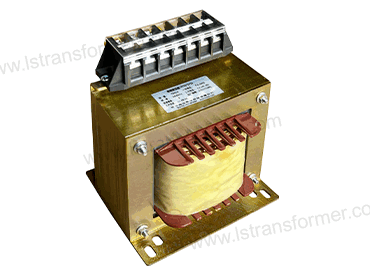
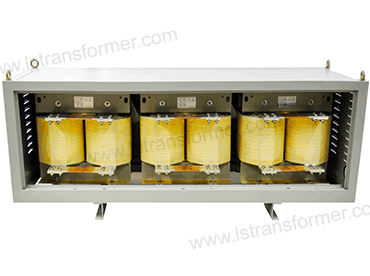
What are the characteristics of using flat winding for transformers? (Part 2) In the previous article, we introduced the advantages of flat winding. However, compared with vertical winding, flat winding also has some disadvantages, which will be explained one by one below. Content 1. Low space utilization The flat winding method occupies a large space in the horizontal direction. For some application scenarios with limited space, it may be restricted. Compared with vertical winding, it is difficult for flat winding to achieve a higher number of winding turns in the same space, which may affect the voltage transformation ability of the transformer. For example, in some compact electronic devices, flat
FAQ

の機能の接地ならトランス?

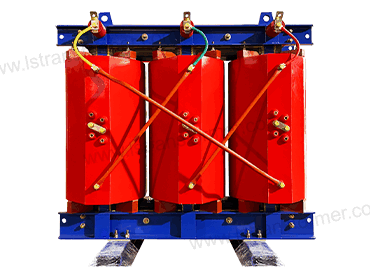
What is the function of a grounding transformer? In a three-phase power grid, there is capacitance between each phase conductor and between each phase and ground. When the neutral point of the grid is not solidly grounded, the phase-to-ground voltage of the singly grounded phase is zero, while the phase-to-ground voltage of the other two phases increases to √3 times. Although the increase in phase voltage does not exceed the designed insulation strength, it leads to an increase in ground capacitance. In the case of single-phase grounding, the capacitance current is three times that of the normal operating phase-to-ground capacitance current. When the capacitance current is large, it is prone

FAQ

その特性を利用縦型の巻線変圧器? に関する研究(その2)

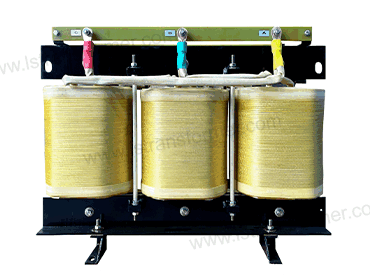
What are the characteristics of using vertical winding for transformers? (Part2) In the manufacturing of transformers, the choice of winding method has an important impact on its performance and quality. As a winding method, vertical winding not only has the advantages mentioned in the previous article, but also has some disadvantages. This article will deeply explore the disadvantages of using vertical winding for transformer winding. Content 1. High winding difficulty Vertical winding requires special winding equipment and processes to ensure the tight arrangement and stability of the coil in the vertical direction. During the winding process, the tension and position of the wire need to be precisely controlled; otherwise, problems

FAQ

トランスに区分:包括的なガイド

Transformer Classification: A Comprehensive Guide Transformers are essential devices that are used to transfer electrical energy from one circuit to another by means of electromagnetic induction. They are used in various applications ranging from power distribution systems to electronic devices. In this article, we will provide a comprehensive guide on the classification of transformers. 1. Classification Based on Application: Transformers can be classified based on their application into two categories:() Power Transformers: These are used in power distribution systems to step up or step down the voltage level of the power supply. They are typically large in size and are designed to handle high voltage and power levels. (1) Distribution

FAQ

その特性を利用縦型の巻線変圧器? (その1)

What are the characteristics of using vertical winding for transformers? (Part 1) The choice of winding method has an important impact on the performance and quality of transformers. As a winding method, vertical winding has unique advantages and disadvantages. This article will deeply explore the advantages of vertical winding. Content 1. High space utilization The vertical winding method winds the coil in the vertical direction, which can better utilize the internal space of the transformer. Especially in some application scenarios with strict limitations on space dimensions, vertical winding can achieve a higher number of winding turns in a limited space to meet specific voltage transformation requirements. For example, in some

FAQ

の種類及び技術的側面の調節トランス

The Different Types and Technical Aspects of Regulating Transformers gulating transformers are usually designed based on a variety of criteria including size, winding type, operating frequency, and capacity ratings. The main technical aspects of a regulating transformer include its inductance, capacity, and voltage ratio characteristics. The inductance of a regulating transformer refers to the amount of inductance or impedance in the transformer’s windings, which can be of different types depending on the application. The capacity rating of a regulating transformer is the maximum amount of current that the transformer is able to deliver at a particular voltage. The capacity of a transformer can be increased or decreased depending on the

FAQ

合巻線トランスをどのように考えるか

When winding a transformer, what should be considered? (1)Requirements for Winding Direction: During the winding process, special attention must be paid to the winding direction; otherwise, it may result in an incomplete magnetic circuit within the iron core. Winding directions for small to medium-sized three-phase transformers are generally the same. However, for single-phase transformers with two-column windings, especially for single-phase three-split windings with three iron core columns, the winding direction of the middle column is opposite to that of the two side columns. (2)Hazards and Influence of Winding Offset: It is crucial to avoid any offset during the winding process; otherwise, it may lead to the following consequences: after the

FAQ

制御トランスは通常"というよりは、建設、動作周波数、メーカーです。

Regulating transformers are usually classified according to their construction, operating frequency, and manufacturer. The most common types of regulating transformers are those which use the alternator-regulator system. This system is employed by almost all modern electrical power systems, and provides the most reliable and stable voltage control. In this system, a device known as an alternator, or alternator regulator, is used to regulate the voltage output of the transformer. This is done by varying the output frequency of the alternator, thus changing the number of cycles in the electrical signal, which in turn affects the voltage output. vAnother type of regulating transformer is the autotransformer-regulator system. In this system, the

FAQ

何を用真空エポキシ樹脂キャストトランス、様々な分野?

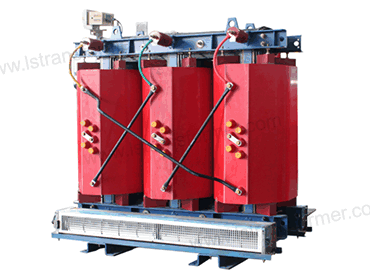
What is applications of Vacuum Epoxy Resin Cast Transformers in Various Fields? Vacuum epoxy resin cast transformers have gained popularity due to their high efficiency, low noise, and low maintenance requirements. As a result, they are widely used in different fields, including new energy, power systems, rail transportation, military, and more. In the new energy sector, vacuum epoxy resin cast transformers are used in photovoltaic power generation, wind power generation, and other renewable energy systems. The transformers have a higher efficiency, smaller size, and longer lifespan compared to traditional transformers, making them ideal for these applications. In power systems, vacuum epoxy resin cast transformers are used in substations, transmission lines,

FAQ

電源の半径のトランス

The Power Supply Radius of Transformers Transformers are important devices that are widely used in electrical power systems to transmit and distribute electrical energy. When selecting the location for a transformer, the power supply radius is an important factor to consider. The power supply radius refers to the distance from the transformer to the power source, which can have a significant impact on the performance and safety of the transformer. The power supply radius of a transformer is influenced by several factors, including the voltage level, the load capacity, and the type of transformer. Generally, transformers with higher voltage levels and larger load capacities require longer power supply radii. For

WhatsAppにQR WeChat QR sales@hnlsdz.com
スクロールトップ