





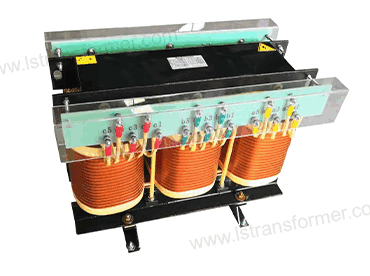
原因-対策の巻線短絡

ホーム > FAQ > ページ 19
FAQ

原因-対策の巻線短絡

Causes and Measures of Winding Short Circuit The winding short circuit will cause serious damage to the motor and other electrical equipment. In order to prevent the occurrence of winding short circuit accidents and ensure the safe operation of electric motor, it is necessary to understand the causes and corresponding preventive measures in depth. First of all, the main causes of winding short circuit accidents are mainly divided into two categories. One is due to the internal insulation failure of the winding, such as insulation aging and cracking; the other is due to the short circuit between the turns of the winding. The former may be caused by the quality
FAQ

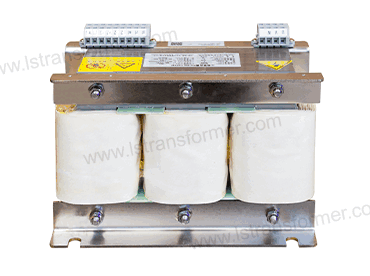
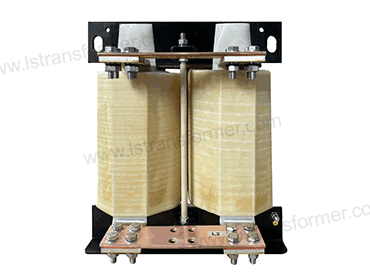
種類や特性が一般に用いられる絶縁材料

Types and Characteristics of Commonly Used Insulation Materials Insulation materials play an important role in the electrical and electronic industry. With the development of industry, various types of insulation materials have emerged. Here we list the types and characteristics of the most common insulation materials. 1. Polyvinyl Chloride (PVC): PVC is a kind of general purpose plastic insulation material. It has excellent mechanical properties, good chemical stability and surface hardness, and should be avoided lacquer and acid. It has good fire resistance and electrical insulation properties and is suitable for dry, wet, and corrosive environments. 2. Polyurethane foam: it has a light texture and can be made into various rigid

FAQ

何の目的で炉?/うフィルター炉で使われているのでしょうか。

What is the Purpose of Reactors?/What are Filter Reactors Used for? Reactors, also known as inductors or chokes, are devices that are used to limit the flow of alternating current (AC) in electrical systems. They are used for a variety of purposes, such as to filter out high-frequency noise or to smooth out power supply voltages. One common type of reactor is the filter reactor. These devices are used in electrical power systems to reduce harmonic distortion caused by non-linear loads. Non-linear loads are devices that do not have a linear relationship between the input voltage and current. Examples of non-linear loads include power electronics such as variable speed drives,

FAQ

に有害な影響を与え高調波電気システム

The Harmful Effects of Harmonics on Electrical Systems Harmonics are an unwanted distortion of the normal waveform of an electrical signal, caused by the presence of frequencies that are not part of the fundamental frequency of the system. In an electrical system, harmonics can have various harmful effects, both on the system itself and on connected equipment. One of the most significant harmful effects of harmonics is an increase in the level of voltage distortion. This can result in overheating of equipment, leading to damage or failure. In particular, the increased levels of h armonic currents can cause transformers and other equipment to overheat, leading to a shorter lifespan. Another

FAQ

どのように関係し絶縁トランスレベル、温度上昇が標準ですか?

What is the relationship between transformer insulation level and temperature rise standard? Insulation level and temperature rise: The insulation level of a transformer refers to the maximum allowable temperature rise, which is the heat resistance level of the insulation material used in the transformer. The temperature rise, on the other hand, refers to the temperature difference between the inside of the transformer and its surrounding environment. The insulation level of transformers is classified into different levels, such as A, E, B, F, and H. Each insulation level corresponds to a different maximum allowable temperature rise limit. For example, the A-level insulation winding temperature rise limit is 60K, the E-level insulation

FAQ

どのような役割を果た抵抗を回路?

What is the role of Resistor in the Circuit? A resistor is a passive two-terminal electrical component that implements electrical resistance as a circuit element. It is designed to produce a degree of resistance in an electrical circuit, allowing current to flow through more slowly and creating a voltage drop between the two points. Resistors are an important part of many circuits and are usually denoted by the letter R in schematics. They can be used to reduce current flow, to adjust signal levels, to divide voltages, and to provide bias for active devices. Resistors come in a variety of shapes and sizes and are manufactured with a wide range

FAQ

温度管理炉

Temperature Control in Reactors Reactors are important components in many electrical systems, and their performance can be affected by changes in temperature. For this reason, it’s important to have effective temperature control mechanisms in place to ensure the stability and reliability of the system. There are several methods for temperature control in reactors, including: (1) Passive cooling: This method relies on natural air flow and convection to dissipate heat from the reactor. Passive cooling is often used in low-power applications where temperature control is not critical. (2) Active cooling: In high-power applications, active cooling mechanisms such as fans or liquid cooling systems may be used to maintain a stable operating

FAQ

理由のための高ノイズレベル炉

Reasons for High Noise Levels in Reactors Reactor noise can be a significant issue in many electrical systems, particularly those involving high-power applications. There are several reasons why reactors may produce high levels of noise, including: (1) Magnetic field interactions: When reactors are subjected to high levels of electrical current, they can produce strong magnetic fields that interact with other components in the system, leading to audible noise. (2) Core vibration: Reactors consist of a core made up of stacked laminations, which can vibrate at high frequencies when subjected to alternating currents. This vibration can produce audible noise. (3) Resonance: In some cases, reactors may be subject to resonant vibrations,

FAQ

シリーズと並行し炉

Series and Parallel Reactors Reactors can be connected in series or parallel configurations to achieve different performance characteristics. When reactors are connected in series, their individual inductances are added together, resulting in a total inductance that is greater than that of any individual reactor. This can be useful in applications where a high level of inductance is required, such as in electric power transmission systems. On the other hand, when reactors are connected in parallel, their individual inductances are effectively divided, resulting in a total inductance that is lower than that of any individual reactor. This can be useful in applications where a lower level of inductance is required, such

FAQ

動作原理の原子炉

Working Principle of Reactors Reactors work based on the principle of inductance. When an electrical current flows through a conductor, it generates a magnetic field around the conductor. The magnetic field, in turn, induces a voltage in the conductor. This voltage opposes the original current and limits the amount of current that can flow through the circuit. The magnitude of this opposition is proportional to the frequency of the current flowing through the reactor, as well as the inductance of the reactor itself. The inductance of a reactor is determined by its physical properties, such as the number of turns of wire in the coil, the material of the core,

WhatsAppにQR WeChat QR sales@hnlsdz.com
スクロールトップ