





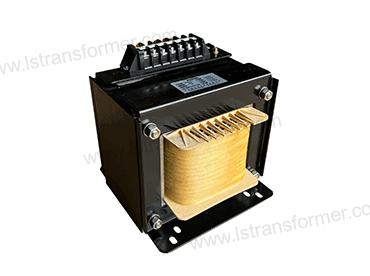
計算上の定格電流トランス

ホーム > FAQ > ページ 20
FAQ

計算上の定格電流トランス

Calculating the Rated Current of a Transformer Transformers are used to transfer electrical energy from one circuit to another through the means of magnetic induction. In order to properly design and operate a transformer, it is important to calculate the rated current of the transformer. The rated current is the maximum current that the transformer can safely handle while maintaining proper operation. To calculate the rated current of a transformer, the following formula can be used: Rated Current = Transformer VA / (Transformer Voltage * 1.732) Where VA is the rated volt-ampere capacity of the transformer, and 1.732 is the square root of 3. The resulting value of the calculation
FAQ

の違い力率と効率性

Differences between Power Factor and Efficiency Power factor and efficiency are two important parameters in the operation of transformers. However, they have different meanings and are calculated using different formulas. Power factor is a measure of how effectively the electrical energy is being used by the load. It is defined as the ratio of the real power (P) to the apparent power (S) in the circuit. Power factor values range from 0 to 1, and a higher power factor indicates that more of the supplied electrical power is being used by the load. Efficiency, on the other hand, is a measure of how much of the input power is being

FAQ

トランス試験項目

Transformer Testing Items Transformer testing is an important process to ensure that transformers meet safety and performance standards. There are several testing items that are typically performed during transformer testing, including: (1) Ratio Test: This test measures the ratio of the transformer’s output voltage to its input voltage. (2) Polarity Test: This test ensures that the transformer’s polarity is correct. (3) Insulation Resistance Test: This test measures the insulation resistance of the transformer to determine its overall insulation condition. (4) Winding Resistance Test: This test measures the resistance of the transformer’s windings to ensure that they are not damaged. (5) Load Loss and Impedance Test: This test measures the transformer’s

FAQ

変圧器の冷却方法

Transformer Cooling Methods Transformer cooling is an important aspect to consider during transformer design and operation. It is crucial to maintain a safe operating temperature for the transformer’s components and to extend its lifespan. There are different cooling methods available for transformers, including air cooling, oil-immersed cooling, and water cooling. Air cooling is the simplest and most cost-effective cooling method, which utilizes natural air convection to dissipate the heat generated by the transformer. Oil-immersed cooling involves circulating oil through the transformer’s core and windings, where it absorbs the heat and then circulates through cooling tubes. Water cooling is also an effective method that uses a water-cooled heat exchanger to transfer

FAQ

理由を増加するトランスノイズ

Reasons for Increasing Transformer Noise Transformers play a crucial role in the transmission and distribution of electrical power. However, one common issue that can arise is an increase in transformer noise. This noise can be a nuisance to nearby residents and can also be an indication of a potential problem with the transformer. There are several reasons why transformer noise can increase, including: (1) Overloading: If a transformer is overloaded, the increased current can cause vibrations in the windings and core, leading to increased noise. (2) Aging: Over time, transformers can experience wear and tear, leading to increased vibration and noise. (3) Faulty design or construction: Poor design or construction

FAQ

条件の並列運転には、トランス

Conditions for Parallel Operation of Transformers Parallel operation of transformers is a common practice in power systems where multiple transformers are connected together to share the load. However, for transformers to operate in parallel, certain conditions must be met to ensure that the transformers operate safely and efficiently. The first condition for parallel operation is that the transformers must have the same voltage ratio and phase shift. This means that the transformers must be identical or have the same impedance ratio. Otherwise, if the transformers have different voltage ratios, the transformers may not share the load equally, and some transformers may be overloaded. The second condition is that the transformers

FAQ

選び方の回路ブレーカー

How to Choose a Circuit Breaker Choosing the right circuit breaker is important for ensuring the safe and reliable operation of an electrical system. There are several factors to consider when selecting a circuit breaker, including the type of load, the expected current, and the location and environment in which it will be installed. One of the first things to consider when choosing a circuit breaker is the type of load it will be protecting. Different types of loads, such as motors, lighting circuits, and transformers, have different characteristics and require different types of circuit breakers. Another important factor to consider is the expected current. Circuit breakers are designed to

FAQ

原則の絶縁トランス

Principles of Isolation Transformers Isolation transformers are used to transfer electrical power from a source to a load while maintaining electrical isolation between the two. The primary purpose of an isolation transformer is to protect sensitive electrical equipment from electrical noise, power surges, and other sources of electrical interference. The basic principles of isolation transformers involve a primary winding, a secondary winding, and a magnetic core. The primary winding is connected to the input voltage source, while the secondary winding is connected to the output load. The magnetic core provides a closed loop for the magnetic field and helps to increase the transformer’s efficiency. One of the key features of

FAQ

の違いを原子炉の軒の電気システム

Differences Between Reactors and Filters in Electrical Systems Reactors and filters are two commonly used components in electrical systems, both of which are designed to help regulate and control electrical signals. While they share some similarities in terms of their functions and applications, there are also important differences between the two. A reactor, as we’ve discussed in previous articles, is an electrical component that is used to introduce inductive reactance into a circuit. This reactance helps to limit current flow and protect the system from power surges and other electrical disturbances. In contrast, a filter is used to remove unwanted frequencies or noise from an electrical signal. The main difference

FAQ

なぜシリコン鋼を使用芯材として、トランスフォーマ?

Why is Silicon Steel Used as Core Material in Transformers? Transformers are an essential component of the electrical power system, and they operate on the principle of electromagnetic induction. The efficiency and performance of a transformer depend on the quality of the core material used. The core material is responsible for transferring the magnetic flux from the primary winding to the secondary winding, and vice versa. One of the most commonly used core materials in transformers is silicon steel. Silicon steel, also known as electrical steel, is a special type of steel that has a low carbon content and is alloyed with silicon. The addition of silicon increases the resistivity

WhatsAppにQR WeChat QR sales@hnlsdz.com
スクロールトップ