





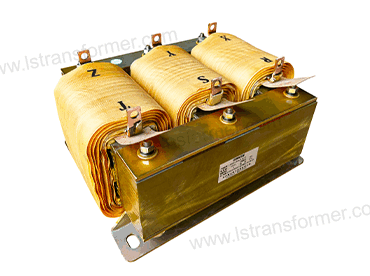
差入力炉及び原子炉出力

ホーム > FAQ > ページ 21
FAQ

差入力炉及び原子炉出力

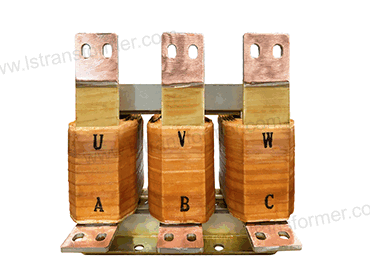
Differences between Input Reactors and Output Reactors Input reactors and output reactors are two types of reactors that are commonly used in electrical systems. While both types of reactors are used to provide impedance to electrical circuits, they serve different functions and are designed differently. An input reactor is typically used at the input of a system, such as a motor drive or power converter. Its main function is to limit the flow of current into the system and reduce harmonic distortion caused by the rectification of AC power. An input reactor is designed with a high inductance value and low capacitance value to provide a high impedance at low
FAQ

なぜトランスの電圧制御の高い高低に低いのか。

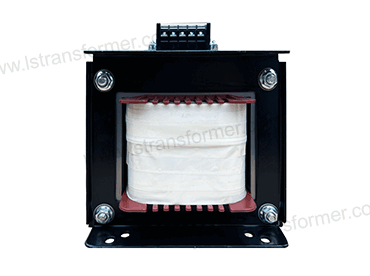
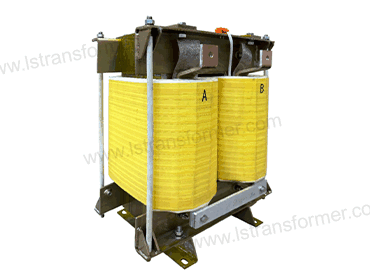
Why is Transformer Voltage Regulation High-to-High and Low-to-Low? Transformer voltage regulation refers to the ability of the transformer to maintain a relatively constant output voltage even when the input voltage varies. This is an important factor in ensuring the safe and reliable operation of electrical equipment. When it comes to adjusting the output voltage of a transformer, there are two basic methods: high-to-high (H-H) and low-to-low (L-L). In the H-H method, the voltage is increased on the high-voltage side of the transformer, while in the L-L method, the voltage is decreased on the low-voltage side of the transformer. So why is the H-H method typically preferred for voltage regulation? There

FAQ

静電容量計算とのマッチングのための炉

Capacitance Calculation and Matching for Reactors Capacitance calculation and matching are important considerations when designing electrical systems that incorporate reactors. Capacitance refers to the ability of a material to store electrical energy, and can affect the overall performance and efficiency of the system. When calculating the capacitance of a reactor, engineers must take into account a number of factors, including the size and geometry of the reactor, the materials used in its construction, and the operating conditions of the system. Capacitance matching involves ensuring that the capacitance of the reactor is matched to the other components in the system, in order to achieve optimal performance. One common method for capacitance

FAQ

どのように力率改善するためのトランス

How to Improve the Power Factor of Transformers The power factor of a transformer is an important factor in its efficiency and effectiveness. It is defined as the ratio of the real power (kW) to the apparent power (kVA) and represents how efficiently the transformer is converting power. A low power factor can result in wasted energy, increased operating costs, and reduced equipment lifespan. Therefore, it is important to understand how to improve the power factor of transformers. One way to improve the power factor of a transformer is to add capacitors to the circuit. Capacitors act as reactive power sources and can help offset the reactive power that is

FAQ

何が真空エポキシ樹脂キャストトランス?

A vacuum epoxy resin cast transformer is a type of transformer that is made using epoxy resin as the insulating material and is produced under vacuum conditions. The vacuum casting process ensures that the resin is evenly distributed and free of air bubbles, which can affect the performance of the transformer. One of the advantages of vacuum epoxy resin cast transformers is that they have excellent insulation properties, which helps to minimize the risk of electrical breakdowns. This type of transformer is also highly resistant to moisture and other environmental factors, making it ideal for use in harsh operating conditions. Vacuum epoxy resin cast transformers are commonly used in a

FAQ

Funktionen wie die magnetische Schaltung.

Resistor and transformer cores are not the same. While both types of cores are made of ferrous material such as iron, they are used for different purposes and have different electrical and magnetic properties. Resistor cores are used to control the flow of electricity in the circuit. The core material is usually wound in a wire and is used to control the resistance of the resistor. The core material is chosen based on its electrical properties such as voltage, temperature and resistance rating. Transformer cores, on the other hand, are used to convert energy from one form to another. The core material is usually wound in a coil and is

FAQ

Führen Sie die enden der Wicklung aus dem öl tank, die eine ausreichende Isolierung Entfernung von der Erde.

Reactor iron core is an essential component in reactors that helps to provide inductive reactance. An air gap in the reactor iron core can significantly affect its performance. An air gap refers to the space between two magnetic cores that interrupts the magnetic field. The presence of an air gap in the reactor iron core will cause the magnetic field to leak, which can lead to significant power loss. It also increases the current density, which can cause the temperature to rise and degrade the insulation of the windings. The air gap can also cause noise and vibration, which can affect the performance of the reactor. To prevent an air

FAQ

共通の故障トラブルシュートの方法のための炉

Reactors are important components in many electrical systems and can be subject to various malfunctions that affect their performance. Here are some common malfunctions and troubleshooting methods for reactors: Overheating: This can be caused by several factors, including overloading, insufficient cooling, or poor ventilation. The solution is to reduce the load on the reactor, improve cooling or ventilation, and monitor the temperature. Noise: Reactors can generate noise due to magnetic forces or vibrations. This can be reduced by using dampeners, isolators, or increasing the distance between reactors. Capacitance coupling: This occurs when there is a capacitance between the reactor and other components, leading to interference or feedback. The solution is

FAQ

なぜづックには、閉じることができませんで抵抗器

Grounded flat iron is a commonly used material in resistors. It is used to connect different electrical components in the circuit and provide connection points between components. However, closing the grounded flat iron is not advisable in resistors and should be avoided. This is due to the risk of the resistor becoming short circuited. The problem arises when the grounded flat iron is closed too tightly. When this happens, the two contact points of the flat iron are brought too close together, which can cause a short circuit in the resistor. This, in turn, results in a large amount of current flowing through the resistor, resulting in damage to the

FAQ

どのように判断の質炉

Reactors are important components in electrical circuits, and their quality directly affects the performance and reliability of the circuit. Here are some key factors to consider when judging the quality of a reactor: (1) Inductance: The inductance of a reactor is a key parameter that directly affects its performance. A high-quality reactor should have a stable inductance value, and the inductance should not change significantly with temperature, frequency, or load conditions. (2) Impedance: The impedance of a reactor is another important parameter to consider. A high-quality reactor should have a stable impedance value, and the impedance should be consistent with the rated value. Insulation: Insulation is also a key factor

WhatsAppにQR WeChat QR sales@hnlsdz.com
スクロールトップ