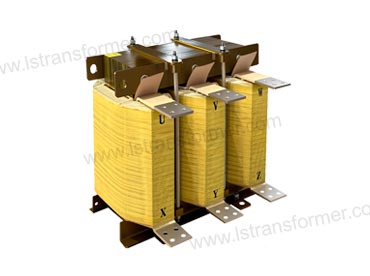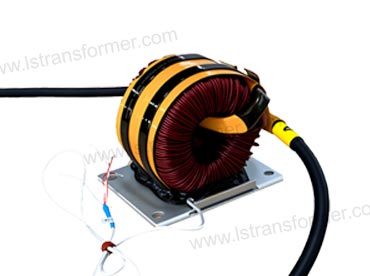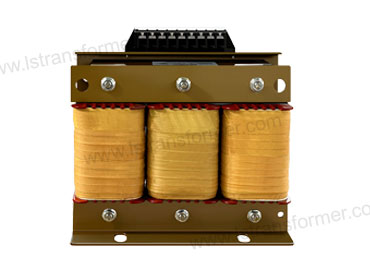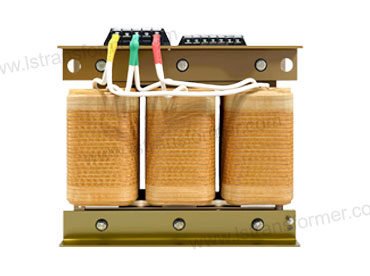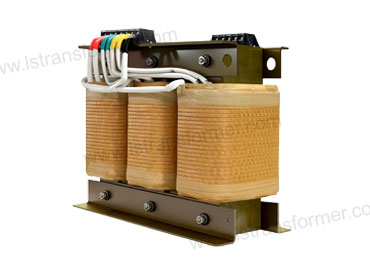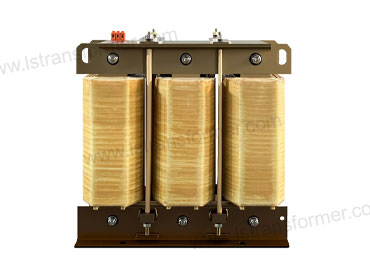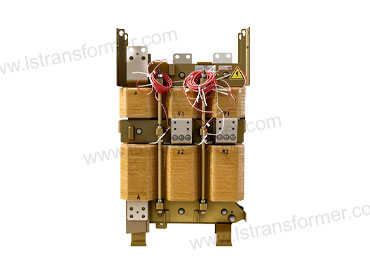






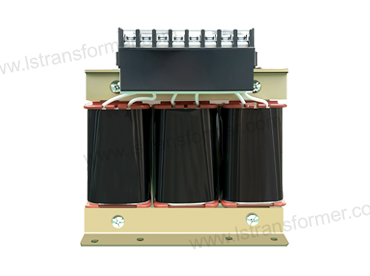
What is the Role of Vacuum Pressure Impregnation (VPI) Process? — The Key Step to Enhance Insulation Life in Dry-Type Transformers

ホーム > FAQ > ページ 37
FAQ

What is the Role of Vacuum Pressure Impregnation (VPI) Process? — The Key Step to Enhance Insulation Life in Dry-Type Transformers

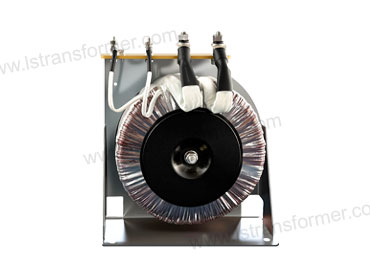
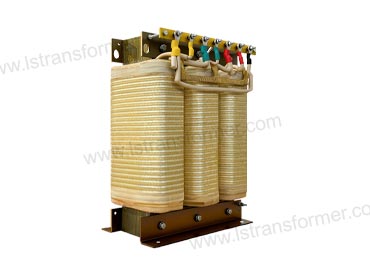
What is the Role of Vacuum Pressure Impregnation (VPI) Process? — The Key Step to Enhance Insulation Life in Dry-Type Transformers In data centers, commercial buildings, renewable energy power stations, and industrial facilities worldwide, low-voltage dry-type transformers have become critical components of power distribution systems due to their core advantages: oil-free operation, fire resistance, environmental friendliness, and ease of maintenance. However, their long-term reliability and insulation lifespan are fundamentally ensured by a crucial manufacturing process—Vacuum Pressure Impregnation (VPI). Far from being a simple impregn)**. Far from being a simple impregnation step, VPI is a precise physical process designed to eliminate microscopic defects within windings, creating a dense, uniform, and defect-free
FAQ

Common Connection Methods for Transformer Lead Wires ​—Essential Guide for Global Engineers

Common Connection Methods for Transformer Lead Wires —Essential Guide for Global Engineers Amid the global energy transition and smart grid construction, transformers serve as the core hub of power systems, where the reliability of their connections directly impacts grid safety and energy efficiency. Lead wires, acting as the “lifeline” between transformers and external systems, are critical in design and selection. According to international standards such as IEC 60204 and IEEE Std C57.12.00, transformer lead wire connections must meet stringent requirements, including current-carrying capacity, mechanical strength, environmental aging resistance, and contact resistance stability. This article provides an in-depth analysis of five mainstream lead wire technologies and their scientific principles, helping you

FAQ

What to Do When the Lead Wire Length Is Insufficient During On-Site Transformer Installation?

What to Do When the Lead Wire Length Is Insufficient During On-Site Transformer Installation? On-site transformer installation is a complex and meticulous task, and insufficient length of high-voltage bushing lead wires is a common challenge engineers face. This issue not only delays project timelines but may also lead to increased contact resistance, localized overheating, and even equipment failure or safety hazards due to improper temporary fixes. This article provides a systematic, scientific, and internationally compliant solution to effectively address this challenge. Content 1. Root Causes and Potential Risks Analysis 1.1 Insufficient lead wire length may seem like a dimensional issue, but it actually involves multiple stages, including design, manufacturing, transportation, and

FAQ

How to Deal with Surface Tracking on Bushing? —Key Considerations for RTV Silicone Coating Application

How to Deal with Surface Tracking on Bushing? —Key Considerations for RTV Silicone Coating Application Surface tracking on reactor bushings is a critical cause of power equipment failures. According to the IEEE 1584-2018 standard, 35% of insulation failure cases are directly attributed to tracking phenomena. This article systematically explains solutions for handling surface tracking and details the standardized application process for RTV silicone coatings based on the IEC 62217 international specification. Content 1. In-Depth Analysis of the Hazards of Surface Tracking The carbonized conductive channels formed by surface tracking on reactor bushings can trigger a three-level chain reaction of hazards: (1) Stepwise Decline in Insulation Performance The carbonized paths increase

FAQ

Special Requirements for Winding Conductors in Amorphous Alloy Transformers: Technical Analysis and International Standards Guide

Special Requirements for Winding Conductors in Amorphous Alloy Transformers: Technical Analysis and International Standards Guide As a revolutionary material in the transformer industry, amorphous alloy is renowned for its extremely low core loss, reducing no-load energy consumption by 60%-80%. However, its unique operational characteristics also impose higher demands on winding conductors. This article delves into the special requirements for winding conductors in amorphous alloy transformers, explains the underlying technical principles, and provides solutions compliant with international standards (IEC, IEEE).  Content 1. Handling Higher-Frequency Harmonics: Selection of Low-Loss Conductive Materials 1.1 Cause: The magnetization curve of amorphous alloy is “harder,” leading to greater distortion in the excitation current waveform. This results

FAQ

How to Determine the Safe Threshold for Current Density in Transformer Windings?

How to Determine the Safe Threshold for Current Density in Transformer Windings? Transformers are indispensable core components in power systems, and the safe threshold for current density in their windings directly impacts the equipment’s reliability, efficiency, and lifespan. This article provides a detailed analysis of the key factors influencing current density in transformer windings, international standard reference values, calculation methods, and optimization strategies to help you fully understand this critical parameter. Content 1. Definition and Importance of Current Density Current density refers to the amount of electric current passing through a unit cross-sectional area of a conductor, typically denoted as J and measured in A/mm². In transformer design, current density

FAQ

Why Should the Lead Wires of PV Inverter Transformers Be UV-Resistant? —An In-Depth Analysis of Critical Protection Requirements

Why Should the Lead Wires of PV Inverter Transformers Be UV-Resistant? —An In-Depth Analysis of Critical Protection Requirements In the heart of photovoltaic (PV) power generation systems, the inverter transformer acts as a silent “energy translator,” efficiently converting the direct current (DC) produced by solar panels into grid-compatible alternating current (AC). The long-term stable operation of this critical component directly determines the power generation efficiency and return on investment of the entire PV plant. However, one often overlooked yet crucial detail—the ultraviolet (UV) resistance of the transformer’s lead wires—can become a potential weak point in system reliability. This article delves into why UV resistance is an indispensable “protective armor” for

FAQ

Copper-Clad Aluminum Wire in Transformers:Can It Replace Pure Copper? What Are the Cautions for Specific Applications?

Copper-Clad Aluminum Wire in Transformers:Can It Replace Pure Copper? What Are the Cautions for Specific Applications? Driven by the dual goals of global energy efficiency improvement and cost optimization, the transformer manufacturing industry is actively exploring new material applications. Copper-clad aluminum (CCA) wire, a composite material that combines cost advantages with conductive performance, has garnered significant attention in transformer design in recent years. According to standards such as IEC 60317-32 and ASTM B566, CCA wire has established a complete regulatory framework. However, its suitability in transformers remains controversial. This article provides an in-depth analysis of the technical characteristics of CCA wire, explores its feasibility as a replacement for pure copper

FAQ

How to Detect Transformer Winding Hotspots in Advance Using Infrared Thermal Imaging? —Key Technology Insights from Global Power Experts

How to Detect Transformer Winding Hotspots in Advance Using Infrared Thermal Imaging? —Key Technology Insights from Global Power Experts In transformer lifecycle management, excessive winding hotspot temperatures are a primary cause of accelerated insulation degradation and eventual failure. Global power grid statistics reveal that over 35% of unplanned transformer outages are directly linked to winding overheating. Infrared thermal imaging technology, with its non-contact, visual, and high-sensitivity advantages, has become a core method for international power equipment condition monitoring (IEC 60478, IEEE C57.127). This article provides an in-depth analysis of how to systematically apply this technology for early hotspot detection. Content 1. The Science Behind Winding Hotspot Formation and Infrared Monitoring

FAQ

Temperature Rise Limits of Dry-Type Transformers vs. Oil-Immersed Transformers: Key Differences

Temperature Rise Limits of Dry-Type Transformers vs. Oil-Immersed Transformers: Key Differences In power systems, transformers are the core equipment for energy conversion and distribution, and their performance and reliability directly impact the safety of the grid. During operation, transformers generate heat, making temperature rise a critical performance indicator. Due to differences in cooling methods, dry-type transformers and oil-immersed transformers exhibit significant variations in their temperature rise limits. This article provides a detailed analysis of the standards, influencing factors, and underlying technical principles of these limits, helping power engineers, procurement professionals, and industry practitioners better understand this key parameter. Globally, standards organizations such as IEEE, IEC, and ANSI have clearly defined

WhatsAppにQR WeChat QR sales@hnlsdz.com
スクロールトップ