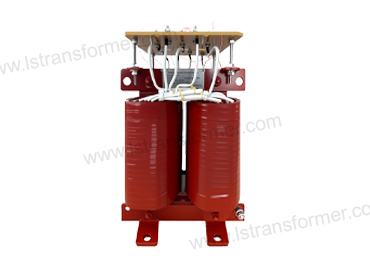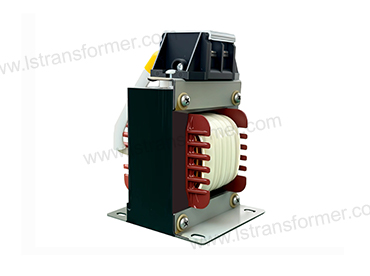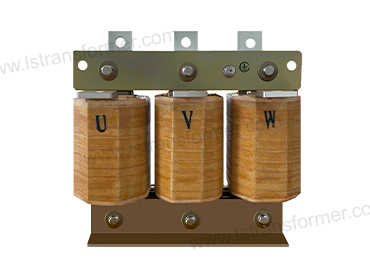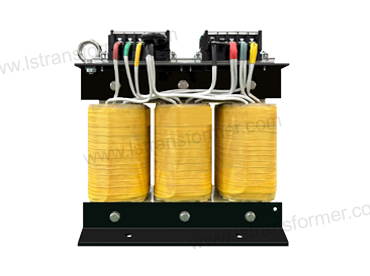






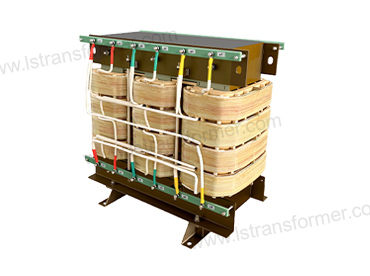
How to Prevent Interference Between Lead Wires in Multi-Winding Transformers? —An In-Depth Analysis Based on International Standards

ホーム > FAQ > ページ 36
FAQ

How to Prevent Interference Between Lead Wires in Multi-Winding Transformers? —An In-Depth Analysis Based on International Standards

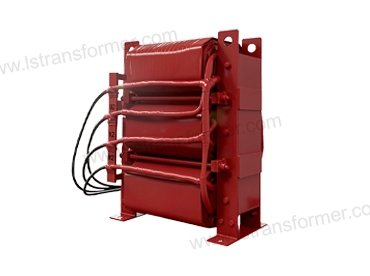
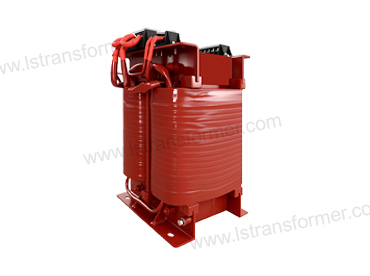
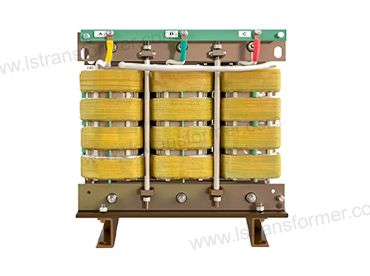
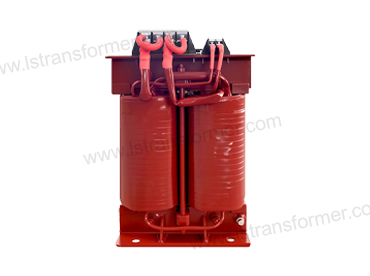
How to Prevent Interference Between Lead Wires in Multi-Winding Transformers? —An In-Depth Analysis Based on International Standards In power systems, industrial drives, and renewable energy applications, multi-winding transformers are indispensable due to their efficient energy distribution and voltage transformation capabilities. However, as the number of windings increases, electromagnetic interference (EMI) between lead wires becomes a critical challenge for engineers, directly affecting electrical insulation performance, operational stability, and equipment lifespan. This article systematically analyzes the causes of interference and provides verified solutions based on international standards such as IEC 60076, while optimizing for SEO keywords like transformer design, EMI reduction, and multi-winding transformer shielding.  Content 1. Causes of Electromagnetic Interference: The
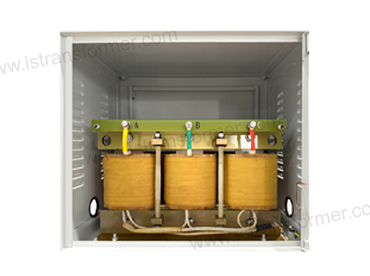
FAQ

Can Recycled Copper Wire Be Used in Transformers?​ —Comprehensive Analysis and Professional Recommendations

Can Recycled Copper Wire Be Used in Transformers? —Comprehensive Analysis and Professional Recommendations With the increasing global awareness of environmental protection, the use of recycled materials in various industries has become more widespread. For transformer manufacturers and users, the question of whether recycled copper wire can be used in transformers has garnered significant attention. This article systematically analyzes the feasibility of using recycled copper wire in transformers from multiple perspectives, including material properties, international standards, performance impacts, and economic benefits. It will help you make informed decisions by comparing the differences between recycled and virgin copper in terms of conductivity, mechanical properties, and more, while also examining regulations set by

FAQ

How to Optimize Transformer Structure Design to Reduce Temperature Rise? —Key Technology Analysis

How to Optimize Transformer Structure Design to Reduce Temperature Rise? —Key Technology Analysis In power transmission and distribution systems, transformers are core equipment whose operating temperature directly impacts reliability, energy efficiency, and lifespan. Research data from the International Energy Agency (IEA) shows that for every 10K reduction in transformer temperature rise, the aging rate of insulation materials slows by 50%, while efficiency improves by 0.3%-0.7%. With the global energy transition accelerating and energy efficiency regulations becoming stricter (e.g., the EU Ecodesign 2021 regulation requires a 10%-20% reduction in no-load losses for distribution transformers), temperature rise control has become a critical design metric. This article systematically analyzes engineering solutions for transformer

FAQ

Can Excessive Temperature Rise Melt Transformer Insulation Materials? — A Complete Guide to Temperature Rise Parameters

Can Excessive Temperature Rise Melt Transformer Insulation Materials? — A Complete Guide to Temperature Rise Parameters As a critical parameter in transformer operation, temperature rise directly impacts the safe operation and service life of the equipment. This article provides a comprehensive analysis of the core concepts, influencing factors, international standards, and optimization measures related to transformer temperature rise. It aims to help you deeply understand this key parameter and avoid severe accidents such as insulation material melting caused by excessive temperature rise. Content 1. Basic Concepts and Importance of Transformer Temperature Rise Transformer temperature rise refers to the difference between the internal temperature of a transformer under rated load (once

FAQ

What Are the Differences Between Cotton Covered Wire, Silk Covered Wire, Film Insulated Wire, and Enameled Wire?

What Are the Differences Between Cotton Covered Wire, Silk Covered Wire, Film Insulated Wire, and Enameled Wire? In the manufacturing of electrical equipment such as transformers, reactors, and motors, the insulation treatment of winding wires is a critical factor determining product performance and reliability. Cotton covered wire, silk covered wire, film insulated wire, and enameled wire are four common types of insulated conductors, each differing in insulation materials, manufacturing processes, performance characteristics, and application scenarios. This article provides a detailed comparison of these four types of insulated wires to help you make the best choice based on specific application requirements. Content 1. Enameled Wire Enameled wire is the most widely

FAQ

Copper vs. Aluminum Windings in Transformers: Balancing Cost, Efficiency, and Lifespan ​

Copper vs. Aluminum Windings in Transformers: Balancing Cost, Efficiency, and Lifespan In the manufacturing of transformers and reactors, the choice of winding conductor material is a critical decision that directly impacts performance, cost, and long-term reliability. Copper (Cu) and aluminum (Al) are the two most commonly used conductor materials, each with its own advantages and limitations. With rising global energy efficiency standards (such as IEC 60076 and IEEE C57.12.00) and fluctuating raw material prices, engineers and procurement decision-makers must fully understand the properties of these materials to make optimal choices. This article provides an in-depth analysis of the key differences between copper and aluminum windings in transformer applications, including conductivity,

FAQ

Is Litz Wire Mandatory for High-Frequency Transformers? —An In-Depth Analysis of the Critical Role of Litz Wire in High-Frequency Applications

Is Litz Wire Mandatory for High-Frequency Transformers? —An In-Depth Analysis of the Critical Role of Litz Wire in High-Frequency Applications In the global electronic components market, high-frequency transformers, as core components for power conversion and signal transmission, have always been a focus for engineers and procurement specialists. With the widespread adoption of high-frequency applications such as switch-mode power supplies (SMPS), wireless charging, and renewable energy systems, the question of “whether Litz wire is mandatory” has become a hot topic in high-frequency transformer design. This article provides a comprehensive technical analysis of the necessity of Litz wire in high-frequency transformers, covering fundamental principles to practical outcomes, offering valuable insights for a

FAQ

Does the Shortened Lifespan of Reactors in High-Temperature Environments? —Dual Optimization Strategy: Materials and Heat Dissipation

Does the Shortened Lifespan of Reactors in High-Temperature Environments? —Dual Optimization Strategy: Materials and Heat Dissipation Against the backdrop of global energy transition and accelerated industrial intelligence, reactors, as critical components of power systems, have seen their reliability and lifespan become a growing focus for equipment manufacturers, grid operators, and industrial users. High-temperature environments are widely recognized as a major accelerator of power equipment aging, making effective countermeasures against temperature-induced lifespan degradation a core challenge for the industry. This article delves into the mechanisms of high-temperature impacts based on international standards and engineering practices, proposing a dual optimization strategy focusing on materials and heat dissipation. Content 1. How High Temperatures

FAQ

Why Might the Temperature Rise Distribution in Reactors Be Non-Uniform?

Why Might the Temperature Rise Distribution in Reactors Be Non-Uniform? In power systems, reactors play an indispensable role in current limiting, filtering, and reactive power compensation. However, engineers and maintenance personnel often observe significant temperature differences at different locations within the same reactor. This non-uniform temperature rise not only affects equipment efficiency but also threatens its long-term reliability and lifespan. So, what exactly causes this uneven temperature distribution? This article delves into the underlying physical mechanisms, key influencing factors, and effective mitigation strategies. Content 1. Non-Uniform Current Density: The Source of Heat Generation Differences 1.1 Root Cause: According to Joule’s Law (Q = I² × R × t), the heat

FAQ

How to Address Excessive Temperature Rise? —A Triple Approach: Radiator Selection, Airflow Optimization, and Hotspot Suppression

How to Address Excessive Temperature Rise? —A Triple Approach: Radiator Selection, Airflow Optimization, and Hotspot Suppression Excessive temperature rise in transformers is a critical issue faced by many power engineers. High temperatures not only accelerate the aging of insulation materials, significantly shortening equipment lifespan, but can also lead to catastrophic failures such as insulation breakdowns, fires, or even explosions. This article delves into three core strategies: scientific radiator selection, optimized airflow system design, and precise hotspot temperature suppression, providing a systematic solution to tackle temperature rise challenges and ensure safe, efficient, and long-lasting transformer operation. Content 1.Scientific Radiator Selection—The Foundation of Cooling Capacity Radiators are the primary channel for dissipating

WhatsAppにQR WeChat QR sales@hnlsdz.com
スクロールトップ