どのトランスの損失分類?

ホーム > FAQ > ページ 45
FAQ

どのトランスの損失分類?

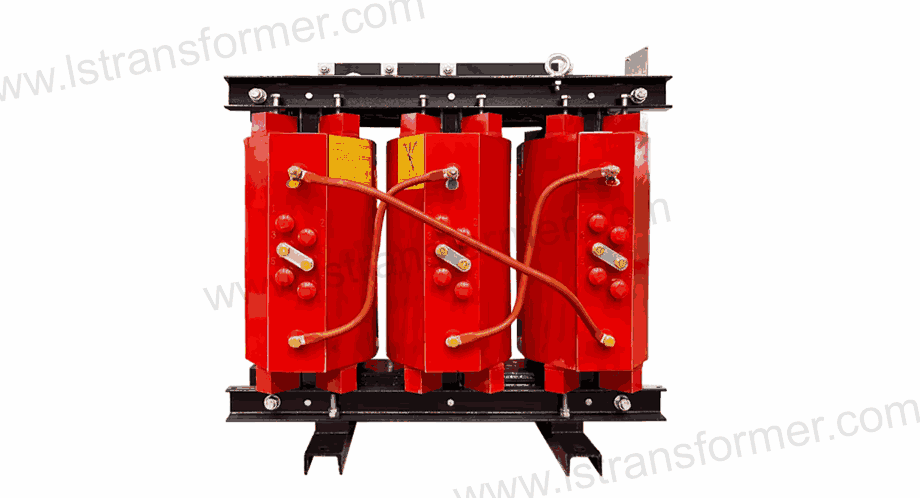
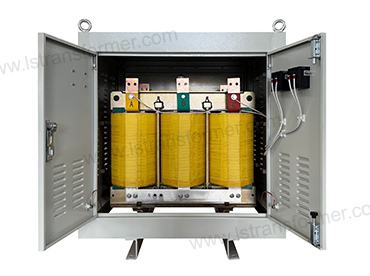
How are transformer losses classified? The classification of transformer losses is a key factor in evaluating transformer performance and operational efficiency. Transformer losses can be primarily divided into no-load losses, load losses, and auxiliary losses, each having distinct characteristics and impacts. Content 1.No-Load Losses No-load losses refer to the losses that occurwhen the transformer is not under any load. These primarily includecore losses (also known as magnetic flux losses or iron losses), which consist ofhysteresis lossesandeddy current losses. Hysteresis losses arise from the energy loss in the core material as it undergoes magnetic field cycles, while eddy current losses are caused by the alternating magnetic field inducing currents within the core

FAQ

するあらゆる側面を含んでいますトランス絶縁性能を通じて温度上昇です。 キーガイドライン説明

In global power grid infrastructure, the stable operation of transformers is fundamental to electrical safety. The Temperature Rise Test serves as a core evaluation method directly impacting transformer insulation system reliability and service life. This article details the principles of the test, key execution points, and how it reveals insights into insulation performance. Content 1. Core Principles and Purpose of the Temperature Rise Test Thermal Degradation of Insulation Materials is one of the primary causes of transformer failure. High temperatures accelerate the chemical decomposition process of insulating materials (such as insulating oil and cellulose solid insulation in oil-paper composite systems), leading to a sharp decline in their electrical and mechanical strength,

FAQ

理解の特徴との接続設定のスライドコアトランス

The sliding core transformer is an advanced type of electrical transformer that utilizes a movable core. This core is made up of several laminations that can slide in and out and rotate, allowing the transformer to be tuned to the desired voltage and impedance characteristics. This is in contrast to a regular transformer, whose laminations are fixed in place and cannot be adjusted. The structure of the sliding core transformer has several key features. The core itself is made of several laminations, usually of silicon steel, which are stacked together and insulated from each other. This creates a tightly wound, but adjustable core which can be configured to meet the

FAQ

どの干渉を防ぐ為に強い磁場の回りに存在するトランス?

As a core component of power systems, transformers generate strong magnetic fields during operation, which can potentially interfere with nearby electronic equipment, communication systems, and even human health. This article provides a detailed analysis of the principles behind transformer magnetic field interference and offers practical solutions to help effectively reduce or eliminate these interference issues. Content 1. Principles and Effects of Transformer Magnetic Field Interference When a transformer operates, it creates a changing magnetic field in the surrounding space due to the principle of electromagnetic induction. According to Maxwell’s equations, a changing current produces a changing magnetic field, and this changing magnetic field, in turn, induces an electromotive force. This

FAQ

理解IPの格付けとその意義

IP (Ingress Protection) ratings are codes used to classify and rate the degree of protection provided by an enclosure against the intrusion of solid objects, dust, and water. IP ratings are an important consideration for various electrical and electronic devices, particularly those used in harsh and challenging environments. The IP rating system consists of two digits, where the first digit represents protection against solid objects, and the second digit represents protection against liquids. The first digit ranges from 0 to 6, with 0 indicating no protection and 6 indicating complete protection against solid objects. The second digit ranges from 0 to 9, with 0 indicating no protection against liquids and

FAQ

どのような冷却方法の影響トランス業務の効率化?

Transformers are essential components in power systems, and their operating efficiency directly impacts energy losses and operational costs across the entire grid. In transformer design and operation, the choice of cooling method is a critical factor—not only does it influence equipment lifespan and reliability, but it also significantly affects operating efficiency. This article explores howdifferent cooling methods such as ONAN, ONAF, and OFAF impact transformer performance, analyzes the underlying thermodynamic principles, and provides data to help electrical engineers and procurement decision-makers make more informed choices. Globally, with rising energy efficiency standards (such as IEC 60076, IEEE C57.12.00, etc.), understanding the relationship between cooling methods and transformer efficiency transformer efficiency has become

FAQ

50Hz及び60Hzの互換性:運転条件と価格への配慮

Electric power systems around the world use either 50Hz or 60Hz AC (alternating current) frequency as the standard. In certain cases, it may be necessary to interchange between these two frequencies due to various reasons. This article will discuss the operating conditions and pricing considerations involved in the interchangeability of 50Hz and 60Hz. The main difference between 50Hz and 60Hz power systems is their frequency. 50Hz systems are used mainly in Europe, Asia, Africa, and Australia, while 60Hz systems are used mainly in North and South America, Japan, and some parts of Asia. When operating equipment designed for one frequency on a system with a different frequency, there are several

FAQ

るトランス無負荷損失? 完全ガイド&グローバル慣行

In the global context of energy transition and industrial energy efficiency, reducing transformer no-load loss has become a key focus for the power industry, industrial enterprises, and commercial users alike. According to the International Energy Agency (IEA), transmission and distribution losses account for about 8% to 15% of total global electricity generation, with transformer no-load losses representing a significant portion of this. Whether you operate distribution transformers, power transformers, or dry-type transformers, optimizing no-load performance can directly lower your electricity costs. For facilities with transformers running 24/7 – such as data centers, hospitals, and continuous production plants – the energy savings from minimizing no-load loss are particularly substantial. This guide

FAQ

その主な違いについ高標高変圧器及び標準トランス?

A Complete Guide for Engineers, Purchasers, and Project Planners.In the global deployment of power infrastructure, transformers are essential for efficient electricity transmission and distribution. However, diverse geographical and climatic conditions pose unique challenges for transformer design. Among these, the distinction between high-altitude transformers and standard transformers is a critical topic frequently searched by engineers, buyers, and project planners. This article provides an in-depth comparison of their design, materials, performance, and applications, helping you make informed decisions for projects in high-altitude regions. 1. Core Design Differences: Engineering for Low Pressure and Harsh Environments Standard transformers are typically designed for altitudes below 1,000 meters and moderate climates. In contrast, high-altitude transformers are

FAQ

トランスを呈ノイズ:盛のレベルは通常の? –国際基準の分析

It is normal for transformers to produce a humming sound during operation. However, the loudness of this noise directly impacts equipment health assessment and the surrounding environment. As a core component of power systems, transformer noise levels are not only a focus for maintenance personnel but also a crucial indicator of comfort for nearby residents or workers. This article provides a comprehensive and professional guide by exploring the sources of transformer noise, international standards, normal decibel ranges, how to identify abnormal noises, and potential solutions. 1. Where Does Transformer Noise Come From? Transformer noise primarily originates from magnetostriction and electromagnetic forces. When alternating current flows through the transformer windings, the

WhatsAppにQR WeChat QR sales@hnlsdz.com
スクロールトップ