





○接続の組み合わせは何社あるの?

ホーム > FAQ > ページ 7
FAQ

○接続の組み合わせは何社あるの?

Yy Connection Combination: What are its characteristics? The Yy connection combination, in addition to possessing the characteristics of the Y-shaped winding, exhibits distinct features based on the different structures of the core. 1. For core-type transformers: (1) Third Harmonic Magnetic Flux Characteristics and Its Effect: Absence of third harmonic current results in the presence of third harmonic magnetic flux in the magnetic circuit. However, this flux cannot close within the core and can only circulate along the same direction through the three core columns, exiting the core through oil and the tank before returning. Due to the significant magnetic resistance outside the core, the third harmonic magnetic flux is relatively
FAQ

何を破壊の影響もコロナ放電の絶縁材料は?

What are the destructive effects of corona discharge on insulation materials? Corona discharge is a common electrical phenomenon, particularly in high-voltage equipment. Corona discharge not only affects the performance of electrical equipment but also causes significant damage to insulation materials. This article will discuss in detail the main damaging effects of corona on insulation materials, includingmechanical bombardment, corrosion, and localized overheating. Content 1. Mechanical Bombardment During corona discharge, a large number ofpositive and negative ions are generated. Under the influence of a strong electric field, these ions are accelerated and bombard the surface of the insulation material at high speeds. Additionally, the collisions between thepositive and negative ionsand air molecules generate secondary

FAQ

どの業務に関わる締め付けトランス封?

What operations are involved in tightening the transformer enclosure? Core tightening is a critical procedure to ensure the stable and reliable operation of transformer equipment. This operation involves various aspects to ensure that all components of the equipment are properly fixed and adjusted, thereby enhancing the transformer’sperformance andsafety. The following are the main steps for core tightening: Content 1. Tightening of Yoke Bolts and Foot Pads The initial step involves re-tightening the bolts and foot pads of the upper and lower yokes. This process includes checking and tightening allboltsandnuts. Special attention must be given to thecorrect placement of washers during tightening. Washers serve to distribute pressure evenly and prevent localized stress concentration, which

FAQ

どのカテゴリーでトランスに分類することに基づく冷却方法について教えてほしい。

What categories can transformers be classified into based on the cooling methods? Transformers, as critical equipment in power systems, generate a significant amount of heat during operation. To ensure the proper functioning of transformers and to extend their service life,effective cooling measures must be implemented. Transformers can be categorized into various types based on their cooling methods. This article will explore the different types of transformers categorized by cooling methods, analyzing their main characteristics and application fields. Content 1. Natural Cooling Transformers Natural cooling transformers dissipate heat to the surrounding environment throughnatural convection, radiation, and conduction. These transformers are simple in structure and easy to maintain, making them suitable formedium and

FAQ

どのような方法でインストールに使用するのにはフレキシブルケーブルが、妻をダクト?

What methods are used for the installation of the flexible cable leads for the wife-carrying ducts? When installing bushings for transformers of 110kV and above, the use of soft cable leads can be labor-intensive and time-consuming, often resulting in lead bending and even partial strand breakage. To address this issue and improve work efficiency, a specialized tool for lead installation—the lead pulling pulley device—can be developed. First, select 25×25 angle steel and bend it into two door-shaped frames with a height of 350mm. These frames should possess sufficient strength and rigidity to withstand the forces generated during the installation process. Next, weld the frames onto the outside of a clamp,

FAQ

何をするときに真空加圧含浸技術を生み出すか?

What are the steps involved in vacuum pressure impregnation technology? (1) Preheating: Preheat the coil to 135-150°C and maintain for several hours, then remove the coil and lower the surface temperature. (2) Vacuum: Open the impregnation tank cover, place the coil inside, and then close the cover to evacuate. (3) Impregnation: Open the release valve of the impregnation tank, pour in the impregnating varnish until it covers the coil by more than 50mm from the top, and close the transfer valve. (4) Vacuum: Evacuate again and maintain for about 30 minutes. (5) Pressurization: Close the vacuum valve of the impregnation tank, open the pressure valve, and increase the pressure to

FAQ

何の目的であ筐体の乾式トランス?

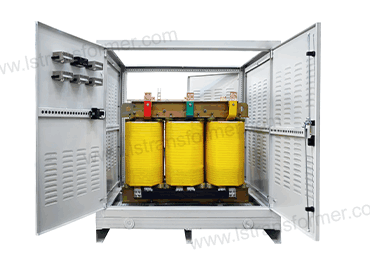
What is the purpose of the enclosure of a dry-type transformer? The enclosure of a dry-type transformer not only plays a crucial role in protecting the transformer body but also significantly contributes to ensuring safe operation and extending the equipment’s lifespan. The main uses and importance of dry-type transformer enclosures are as follows: Content 1. Ensuring a Good Operating Environment According to theChinese standardGB 4208, the enclosure of dry-type transformers typically has anIP20rating or higher. This rating indicates that the enclosure effectively prevents the ingress of solid objects larger than12.5 millimeters into the transformer, providing protective coverage. Additionally, a grille must be installed on the rear of the enclosure to prevent small

FAQ

のようにチェックするのかは、乾式トランス?

What checks should be conducted before operating a dry-type transformer? The pre-operation inspection of dry-type transformers is a crucial step to ensure the equipment operates safely and stably. The following are the detailed inspection items and steps: Content 1. Inspection of Component Tightening Before operating the transformer, it is essential to conduct a thorough inspection of all components to ensure there are no loose parts. Even if no looseness is apparent, all bolts and connections should be re-tightened. This is necessary because vibrations during transportation and installation may cause parts to loosen, potentially affecting the equipment’s normal operation and safety. 2. Ventilation System Inspection The ventilation openings of dry-type transformers

FAQ

現在のチケットの状態の適用の乾式トランス?

What is the current status of the application of dry-type transformers? Dry-type transformers, as a type of oil-free transformer, have unique advantages and are widely used in modern power systems. Sincedry-type transformers do not use oil as an insulation and cooling medium, they avoid potential risks such as fire, explosion, and pollution. This makes dry-type transformers safer and more environmentally friendly in both installation and usage, allowing for more flexible and widespread applications in various environments. 1. Application Areas (1) Power Systems: Dry-type transformers are extensively used in almost all electrical systems, including power plants, factories, hospitals, schools, commercial buildings, and residential complexes. In these settings, dry-type transformers are the preferred equipment

FAQ

その応用範囲の出力炉?

What are the application ranges of output reactors? Output reactors are critical devices used in power systems to enhance performance and protect equipment. The following are the main characteristics and usage guidelines for output reactors: ApplicationRanges 1. Applicable for Reactive Power Compensation and Harmonic Mitigation: Output reactors are primarily used in power systems for reactive power compensation and harmonic mitigation. By providing appropriate reactance, they effectively regulate the reactive power within the system,optimizing the power factor. Additionally, output reactors can filter or suppress harmonics generated by loads or power electronic devices, reducing their impact on the system and ensuring the normal operation of equipment. 2. Compensate for the Effects of

WhatsAppにQR WeChat QR sales@hnlsdz.com
スクロールトップ