






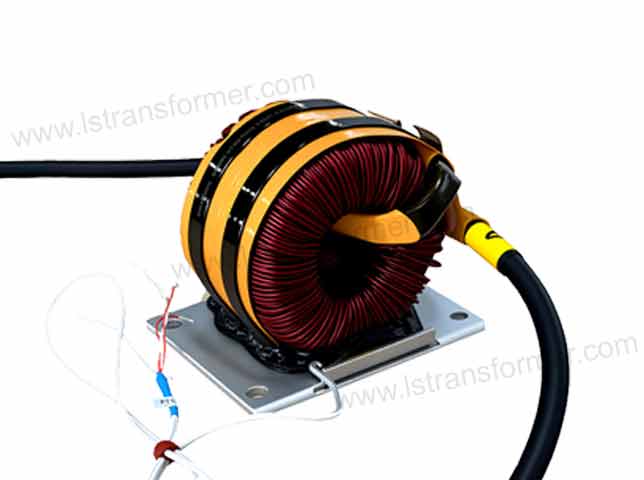
How to Ensure Reactors Operate Normally in Low-Temperature Environments (-40°C)?
With the global development of industrial technology and the increasing demand for electricity under extreme climate conditions, the reliable operation of reactors in low-temperature environments has become a critical issue in the power industry. In regions such as the Arctic, high-altitude areas, or severely cold winter zones, temperatures can drop...

How to Improve the Protection Level of Transformers Through Structural Design?
In the global industrial electrical equipment market, transformers, as the core components of power systems, have seen their protection level become a key factor in product selection by users. With increasingly stringent safety standards from organizations such as the International Electrotechnical Commission (IEC) and the Institute of Electrical and Electronics...

Как классифицируются потери трансформатора?
How are transformer losses classified? The classification of transformer losses is a key factor in evaluating transformer performance and operational efficiency. Transformer losses can be primarily divided into no-load losses, load losses, and auxiliary losses, each having distinct characteristics and impacts. Content 1.No-Load Losses No-load losses refer to the losses...

How to Determine Transformer Insulation Performance Through Temperature Rise Test? – Key Guidelines Explained
In global power grid infrastructure, the stable operation of transformers is fundamental to electrical safety. The Temperature Rise Test serves as a core evaluation method directly impacting transformer insulation system reliability and service life. This article details the principles of the test, key execution points, and how it reveals insights...

Понимание особенностей и конфигураций подключения трансформатора со скользящим сердечником
The sliding core transformer is an advanced type of electrical transformer that utilizes a movable core. This core is made up of several laminations that can slide in and out and rotate, allowing the transformer to be tuned to the desired voltage and impedance characteristics. This is in contrast to...

How to Prevent Interference When Strong Magnetic Fields Exist Around Transformers?
As a core component of power systems, transformers generate strong magnetic fields during operation, which can potentially interfere with nearby electronic equipment, communication systems, and even human health. This article provides a detailed analysis of the principles behind transformer magnetic field interference and offers practical solutions to help effectively reduce...

Понимание рейтингов ИС и их значимости
IP (Ingress Protection) ratings are codes used to classify and rate the degree of protection provided by an enclosure against the intrusion of solid objects, dust, and water. IP ratings are an important consideration for various electrical and electronic devices, particularly those used in harsh and challenging environments. The IP...

How Do Cooling Methods Affect Transformer Operating Efficiency?
Transformers are essential components in power systems, and their operating efficiency directly impacts energy losses and operational costs across the entire grid. In transformer design and operation, the choice of cooling method is a critical factor—not only does it influence equipment lifespan and reliability, but it also significantly affects operating...

Взаимозаменяемость частот 50 Гц и 60 Гц: условия эксплуатации и ценовые соображения
Electric power systems around the world use either 50Hz or 60Hz AC (alternating current) frequency as the standard. In certain cases, it may be necessary to interchange between these two frequencies due to various reasons. This article will discuss the operating conditions and pricing considerations involved in the interchangeability of...

How to Reduce Transformer No-Load Loss? Complete Guide & Global Practices
In the global context of energy transition and industrial energy efficiency, reducing transformer no-load loss has become a key focus for the power industry, industrial enterprises, and commercial users alike. According to the International Energy Agency (IEA), transmission and distribution losses account for about 8% to 15% of total global...
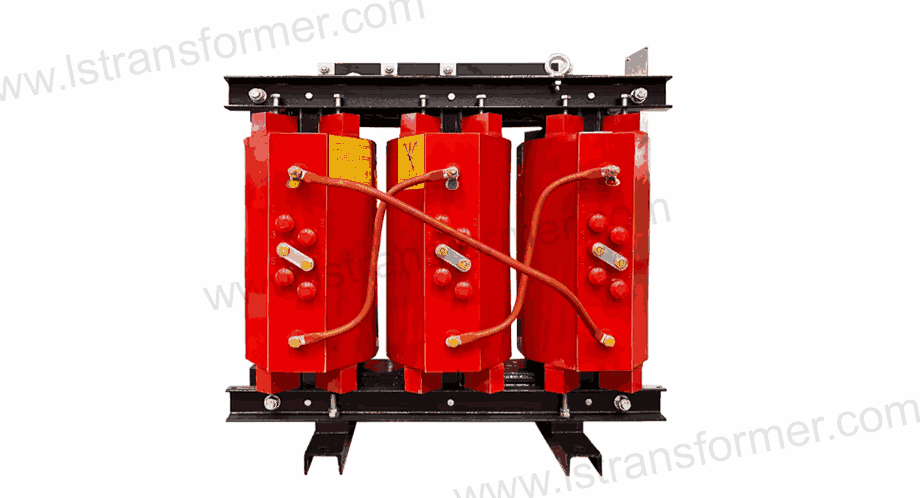
Каковы ключевые различия между высотными трансформаторами и стандартными трансформаторами?
A Complete Guide for Engineers, Purchasers, and Project Planners.In the global deployment of power infrastructure, transformers are essential for efficient electricity transmission and distribution. However, diverse geographical and climatic conditions pose unique challenges for transformer design. Among these, the distinction between high-altitude transformers and standard transformers is a critical topic...
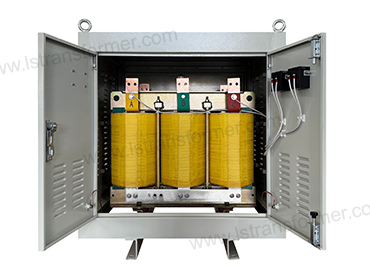
Гудящий шум трансформатора: какой уровень децибел считается нормальным? – Международные стандарты и углубленный анализ
It is normal for transformers to produce a humming sound during operation. However, the loudness of this noise directly impacts equipment health assessment and the surrounding environment. As a core component of power systems, transformer noise levels are not only a focus for maintenance personnel but also a crucial indicator...