
 EN
EN
 FR
FR DE
DE ES
ES
Welche Prüfungen sollten nach einem plötzlichen Kurzschluss durchgeführt werden? – Verfahren zur Wicklungsverformungsprüfung (FRA-Methode)
Welche Tests sollten nach einem plötzlichen Kurzschluss durchgeführt werden?
—Betriebsverfahren für die Prüfung der Wicklungsverformung (FRA-Methode)
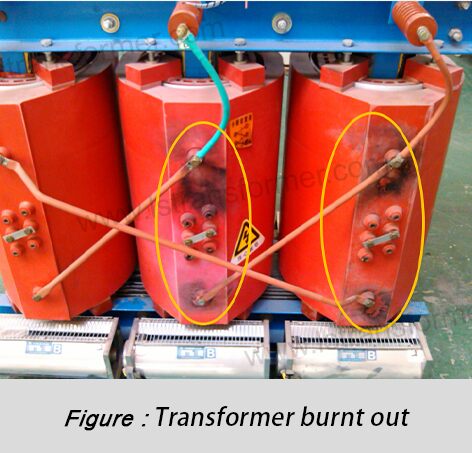
Transformatoren sind die Kernkomponenten von Stromversorgungssystemen, und ihr sicherer und stabiler Betrieb ist von entscheidender Bedeutung. Bei einem plötzlichen Kurzschluss können die Wicklungen eines Transformators mechanische Verformungen erfahren, die mit bloßem Auge nicht erkennbar sind. Werden diese potenziellen Schäden nicht rechtzeitig erkannt, können sie zu einer Verschlechterung der Isolationsleistung, erhöhten Teilentladungen und letztendlich zu einem katastrophalen Ausfall führen. Laut Normen der Internationalen Elektrotechnischen Kommission (IEC) und Statistiken der State Grid Corporation ist die Wicklungsverformung eine der Hauptursachen für Transformatorausfälle nach Kurzschlüssen. Dieser Artikel beschreibt detailliert, wie der Zustand der Wicklungen mithilfe der Frequenzganganalyse (FRA), einer international anerkannten Prüfmethode, wissenschaftlich bewertet werden kann, um zuverlässige Daten für nachfolgende Wartungsentscheidungen zu liefern.
Inhalt
1. Der Wirkungsmechanismus plötzlicher Kurzschlüsse auf Transformatorwicklungen
● Prinzipien der elektrodynamischen Kurzschlusskräfte
Bei einem Kurzschluss (insbesondere einem dreiphasigen Kurzschluss) fließen in den Wicklungen kurzzeitige Kurzschlussströme, die 10- bis 25-mal höher sind als der Nennstrom. Gemäß dem Ampèreschen Gesetz (F = BIL) erzeugen diese Ströme unter dem Einfluss von Streufeldern enorme mechanische Spannungen. Diese Kräfte lassen sich in zwei Arten unterteilen:
(1) Radialkräfte:Die innere Wicklung nach innen zusammendrücken und die äußere Wicklung nach außen ausdehnen.
(2)Axialkräfte: Verursachen Sie eine Kompressions- oder Dehnungsverformung an den oberen und unteren Enden der Wicklung.
Die momentane Spitzenkraft kann mehrere zehn Tonnen erreichen und damit die Auslegungsfestigkeit der Wicklung weit übersteigen, was zu folgenden typischen Verformungsmustern führt:
Verformungstyp |
Verursachen |
Mögliche Konsequenzen |
Radiale Verformung |
Die radiale elektrodynamische Kraft übersteigt die Festigkeit der Tragkonstruktion. |
Veränderter Hauptisolationsabstand, erhöhte Teilentladung |
Axiale Verzerrung |
Ungleichmäßige Verteilung der Axialkraft oder Verschiebung des Abstandhalters |
Höheres Risiko von Kurzschlüssen zwischen den Kurven |
Lokale Depression |
Leiternachgeben oder Stützstabbruch |
Hotspotbildung, beschleunigte Alterung der Isolierung |
● Der Entwicklungsprozess der Wicklungsverformung
Die Wicklungsverformung nach einem Kurzschluss durchläuft typischerweise drei Stadien:
(1)Sofortige elastische Verformung:Die im Moment des Kurzschlusses reversible Verformung ist möglicherweise bei Tests nicht feststellbar.
(2)Stadium der plastischen Verformung: Eine bleibende Verformung tritt ein, wenn die Streckgrenze des Materials überschritten wird.
(3)Kumulativer Schadenseffekt:Wiederholte Kurzschlüsse führen zu einer Anhäufung von Verformungen, die schließlich zum Ausfall der Isolation führen.
Untersuchungen des International Council on Large Electric Systems (CIGRE) zeigen, dass bei etwa 68 % der Transformatoren nach schweren Kurzschlüssen messbare Wicklungsverformungen auftreten, wobei sich bei 30 % dieser Verformungen im weiteren Betrieb schwerwiegende Fehler entwickeln.
2. Technische Grundlagen der FRA zur Erkennung von Wicklungsverformungen
● Grundlagen der Frequenzganganalyse
Die Frequenzganganalyse (FRA) bewertet den mechanischen Zustand von Transformatorwicklungen durch Messung der Änderungen ihrer Impedanzcharakteristik über verschiedene Frequenzen. Die theoretische Grundlage ist:
Eine Wicklung kann als verteiltes Netzwerk aus Induktivität (L), Kapazität (C) und Widerstand (R) modelliert werden. Ihre Frequenzgangfunktion H(f) wird wie folgt ausgedrückt:
H(f) = Vout(f)/Vin = Zw/[Zs+Zw]
Hierbei ist Zw die Wicklungsimpedanz und Zs die Signalquellenimpedanz.
Bei physikalischen Verformungen ändern sich die Verteilungsparameter L und C, was zu Verschiebungen der charakteristischen Frequenzpunkte der Antwortkurve führt. Durch den Vergleich historischer Daten und Phasendaten lassen sich Ort und Ausmaß der Verformung präzise bestimmen.
● Vorteile der FRA-Methode
Im Vergleich zu herkömmlichen Methoden bietet die FRA folgende wesentliche Vorteile:
(1)Hohe Empfindlichkeit:Erkennt geringfügige Kapazitätsänderungen ab 0.1 %.
(2)Zerstörungsfrei: Die Prüfspannung beträgt typischerweise <10V, um eine Beschädigung der Isolierung zu vermeiden.
(3)Vollfrequenzanalyse: Deckt den Frequenzbereich von 1 kHz bis 1 MHz ab und reflektiert Informationen in unterschiedlichen Tiefen.
(4)Quantitative Auswertung:Verwendet Kennzahlen wie den Korrelationskoeffizienten (CC) und den mittleren quadratischen Fehler (MSE) zur objektiven Beurteilung.
Gemäß IEEE Std C57.156-2016 erreicht die FRA-Methode eine Genauigkeit von über 95 % bei der Erkennung von Wicklungsverformungen und ist zu einem obligatorischen Prüfverfahren für Energieversorgungsunternehmen in Europa und den USA geworden.
3. Standardisiertes FRA-Prüfverfahren (Konform mit IEC 60076-18)
● Kernpräparate
(1)Sicherheitsisolierung:Um sicherzustellen, dass der Transformator vollständig spannungsfrei und geerdet ist (Restspannung <50V), müssen Lockout-Tagout-Verfahren (LOTO) durchgeführt werden.
(2)Um Signalstörungen zu vermeiden, entfernen Sie alle externen Verbindungen, insbesondere die Abzweigleitungen. Dieser Schritt beseitigt 90 % der Fehler bei Tests vor Ort.
Umweltkontrollen
(1)Temperatur:Umgebungstemperatur aufzeichnen (siehe IEEE C57.152 Standard).
(2)Luftfeuchtigkeit:≤85 % (hohe Luftfeuchtigkeit erhöht den Oberflächenleckstrom).
(3)Elektromagnetische Interferenz:Die Tests sollten 2 Stunden nach dem Ausschalten durchgeführt werden (um eine Systemüberspannung zu vermeiden).
● Wichtige Verdrahtungskonfigurationsoptionen
Verdrahtungsart |
Anwendungsszenario |
Internationale Standardreferenz |
End-to-End-Methode |
Umfassende Diagnose (empfohlen nach einem Kurzschluss) |
IEC 60076-18 Anhang B |
Kapazitive Kopplungsmethode |
Schnelltest vor Ort |
CIGR TB 642 |
Induktive Spannungsmethode |
Spezielle axiale Verformungserkennung |
IEEE P1898 |
Wichtige Schritte:Die End-to-End-Methode sollte bevorzugt werden – die Signalquelle wird an die Hochspannungsdurchführung und der Messanschluss an den Neutralleiter-Erdungsanschluss angeschlossen (siehe Abbildung 1). Der Leitungswiderstand muss <0.5 Ω betragen, um Verzerrungen der Niederfrequenzkurven zu vermeiden.
● Intelligente Parametereinstellungen
fmax = 150 / MVA-Nennleistung (MHz)
(1)Frequenzbereich: 1 kHz – [berechneter Wert] MHz (z. B. 1.5 MHz für einen 100-MVA-Transformator).
(2)Scandichte: ≥800 Punkte (logarithmische Verteilung, automatisch höhere Dichte in Hochfrequenzbereichen).
(3)Anregungsspannung: 10 V (ausgewogenes Signal-Rausch-Verhältnis und Sicherheit).
(4)Signalverarbeitung: Hanning-Fenster anwenden + 32-fache Mittelwertbildung (unterdrückt zufälliges Rauschen).
4. Datenanalyse und intelligente Diagnose (Basierend auf IEEE C57.156)
● Kerndiagnosekennzahlen
Metrisch |
Formel |
Deformationsempfindlichkeit |
Schwelle |
CC |
∑(xi−x̄)(yi−ȳ)/σxσy |
Gesamtverformung |
<0.95 (Warnung) |
RMSD |
√[1/N ∑(Htest−Href)²] |
Lokale Verzerrung |
>3dB (abnormal) |
ASL |
∫ |
logH1(f)−logH2(f) |
df |
● Typische Fehlersignaturmuster
Verformungstyp |
Niedrige Frequenzen (1–10 kHz) |
Mittlere Frequenz (10–500 kHz) |
Hohe Frequenzen (>500kHz) |
Radiale Ausdehnung |
Die Resonanzspitze verschiebt sich um ≥5 % nach rechts. |
Amplitudenabfall >3dB |
Keine wesentliche Änderung |
Axiale Verschiebung |
Phasenverzögerung >10° |
Doppelgipfelaufspaltung |
Neue Resonanzpunkte |
Lokaler Zusammenbruch |
Keine nennenswerte Änderung |
Schmalbandiger Abfall (>6dB) |
Nichtlineare Phasensprünge |
Zusammenfassend
Die Wicklungsverformungsprüfung (FRA-Methode) gilt als Goldstandard für die Zustandsbewertung von Transformatoren nach einem Kurzschluss. Ihre wissenschaftlich standardisierte Durchführung ist entscheidend für die Anlagensicherheit. Dieser Artikel bietet eine umfassende Anleitung zur Prüfungsvorbereitung, Durchführung vor Ort und Datenanalyse. Es ist wichtig zu beachten, dass die Genauigkeit der FRA-Ergebnisse stark von der Einhaltung der Verfahren und der Vollständigkeit der Referenzdaten abhängt. Unternehmen wird empfohlen, eine FRA-Datenbank für den gesamten Lebenszyklus anzulegen und sich an internationalen Standards (z. B. IEC 60076-18) zu orientieren, um den Nutzen der Technologie zu maximieren. Für kritische Umspannwerke ermöglichen Online-FRA-Überwachungssysteme die Echtzeit-Überwachung des Wicklungszustands und verhindern so potenzielle Ausfälle frühzeitig.
Kontaktieren Sie uns
LuShan, Europäische Sommerzeit.1975, ist ein chinesischer professioneller Hersteller, spezialisiert auf Leistungstransformatoren und Reaktoren für50+ Jahre. Führende Produkte sind Einphasentransformator, Dreiphasentransformator Isolierung Transformatoren, elektrischer Transformator, Verteiltransformator, Abwärts- und Aufwärtstransformator, Niederspannungstransformator, Hochspannungstransformator, Steuertransformator, Ringkerntransformator, R-Kern-Transformator;Gleichstrominduktoren, Wechselstromreaktoren, Filterreaktoren, Netz- und Lastreaktoren, Drosseln, Filterreaktoren und Zwischen- und Hochfrequenzprodukte.
Unsere Kraft Transformatoren und Reaktoren werden in zehn Anwendungsbereichen häufig eingesetzt: Schnellverkehr, Baumaschinen, erneuerbare Energien, intelligente Fertigung, medizinische Geräte, Explosionsschutz in Kohlebergwerken, Erregersysteme, Vakuumsintern (Öfen), zentrale Klimaanlagen.
Erfahren Sie mehr über Leistungstransformatoren und Reaktoren:www.lstransformer.com.
Wenn Sie maßgeschneiderte Lösungen für Transformatoren oder Drosseln wünschen, kontaktieren Sie uns bitte.
WhatsApp:+86 17267488565
Email:
[E-Mail geschützt]