What should be noted when assembling the transformer winding? (2)

Home > FAQ > Seite 12
FAQ

What should be noted when assembling the transformer winding? (2)

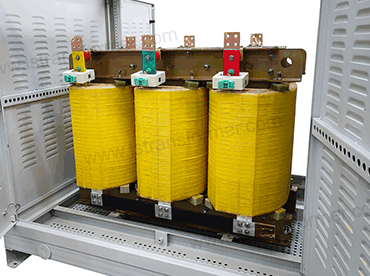
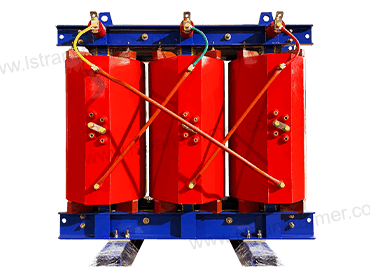
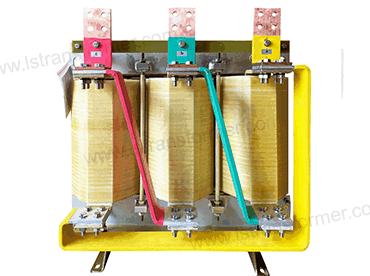
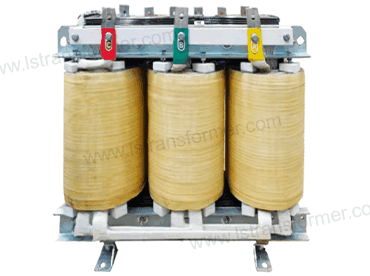
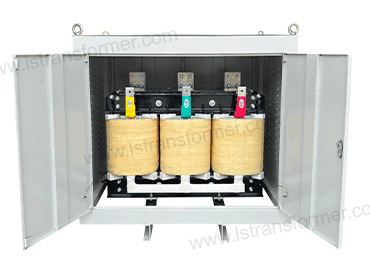
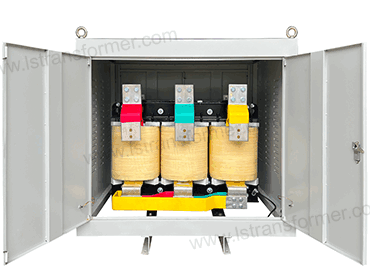
What should be noted when assembling the transformer winding? (2) In transformer manufacturing, the winding assembly process is of crucial importance and directly relates to the performance and operational reliability of the transformer. The following focuses on the key points in the winding assembly process. Content 1. Symmetry and alignment in the height direction (1)
FAQ

What should be noted when assembling the transformer winding? (1)

What should be noted when assembling the transformer winding? (1) In transformer manufacturing, the winding assembly process is of crucial importance and directly relates to the performance and operational reliability of the transformer. The following focuses on the key points in the winding assembly process. Content 1. Precise control of winding direction The winding direction

FAQ

Was sind die Gründe für die Verwendung Mehrerer Drähte in der Spule Wicklungen?

What are the Reasons for Using Multiple Wires in Coil Windings? In electrical engineering, coils are often designed with multiple wires wound together, a choice based on several technical considerations. Here are some key reasons: Content 1. Reducing Eddy Current Losses  Eddy current losses are significant factors affecting the efficiency of coils. When current flows

FAQ

Was Sind die Dämm-Material-Systeme für Resin-Cast-Transformatoren?

What are the Insulation Material Systems for Resin-Cast Transformers? Resin-cast transformers use epoxy resin as the primary insulation material, forming a solid structure through casting and curing. This structure has high mechanical strength and excellent insulation properties. Additionally, these transformers have good heat dissipation and are suitable for harsh environments, making them ideal for applications

FAQ

Wie zu Reduzieren Keine-Last Verluste in Transformatoren?

How to Reduce No-Load Losses in Transformers? No-load losses in transformers refer to the power consumed when the transformer’s secondary winding is open (i.e., not connected to a load). These losses mainly include core losses and stray magnetic losses. No-load losses are inherent to the transformer’s operation and have a certain impact on the stability

FAQ

Was sind die Prozesse und Ursachen der Isolierung Altern?

What are the Processes and Causes of Insulation Aging? Insulation aging is a common issue in the operation of electrical equipment, which affects the performance and lifespan of the devices. The main causes of insulation aging can be attributed to thermal, electrical, mechanical stress, and environmental factors. Below is a brief analysis of the aging

FAQ

Was sind die Eigenschaften der Folie Wicklung?

What are the characteristics of foil winding? Foil winding are a type of winding structure commonly used in transformers and reactors, offering unique advantages that enhance both the performance and manufacturing efficiency of electrical equipment. The main characteristics of foil winding are as follows: Features 1. High Automation and Efficiency in Production  The production of

FAQ

Wie ist ein Epoxid-Harz Trocken-Typ Transformator Gegossen und Geformt?

How is an Epoxy Resin Dry-Type Transformer Cast and Molded? Epoxy resin dry-type transformers are widely used high-voltage electrical equipment in power systems. Unlike oil-immersed transformers, they do not use liquid coolants but are insulated and cooled by air or other solid insulating materials. The manufacturing process of epoxy resin dry-type transformers is not only

FAQ

Was sind die Kühlung Methoden für die trocken-Typ Transformatoren?

What are the cooling methods for dry-type transformers? The cooling methods for dry-type transformers are critical for their performance and reliability. Effective cooling measures ensure that the transformer maintains an appropriate operating temperature during operation, thereby extending its service life and improving overall efficiency. The primary cooling methods for dry-type transformers include the following: Content

WhatsApp QR WeChat QR sales@hnlsdz.com
Scroll to Top