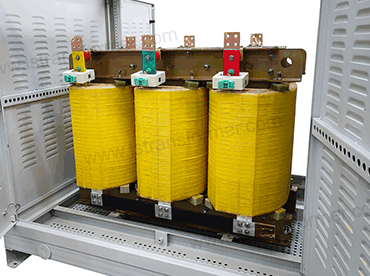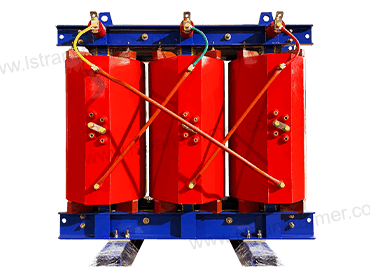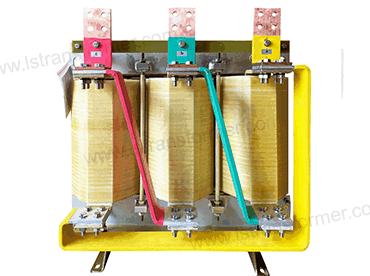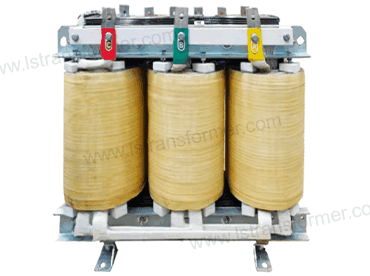
What should be noted when assembling the transformer winding? (2)

FAQ

What should be noted when assembling the transformer winding? (2)

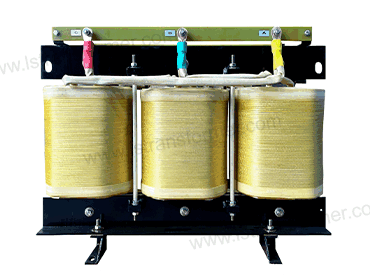
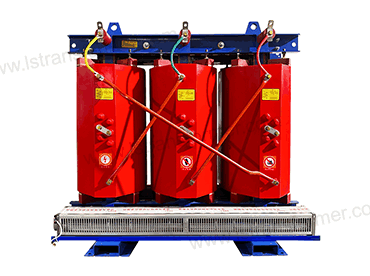
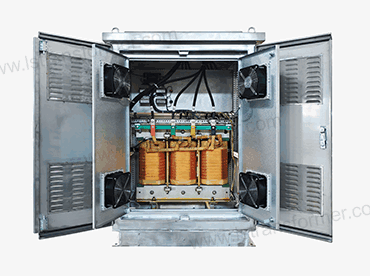
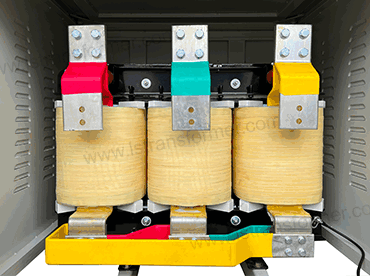
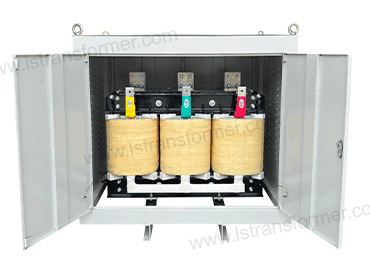
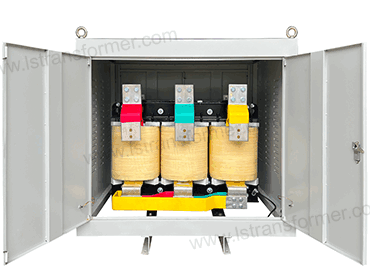
What should be noted when assembling the transformer winding? (2) In transformer manufacturing, the winding assembly process is of crucial importance and directly relates to the performance and operational reliability of the transformer. The following focuses on the key points in the winding assembly process. Content 1. Symmetry and alignment in the height direction (1)
FAQ

What should be noted when assembling the transformer winding? (1)

What should be noted when assembling the transformer winding? (1) In transformer manufacturing, the winding assembly process is of crucial importance and directly relates to the performance and operational reliability of the transformer. The following focuses on the key points in the winding assembly process. Content 1. Precise control of winding direction The winding direction

FAQ

Quelle est la fonction de Caractéristiques de la Structure et le Rôle de l'Arc Suppression de la Bobine dans le réseau électrique?

What is the Function of Structure Characteristics and Role of Arc Suppression Coil in Power Grid? Arc suppression coils are vital protective devices in power systems, primarily used to suppress overvoltage caused by grounding faults, ensuring the safety and stability of electrical equipment. Their design and structural features play a crucial role in the power

FAQ

Quels Sont les Matériaux d'Isolation des Systèmes de Résine Transformateurs?

What are the Insulation Material Systems for Resin-Cast Transformers? Resin-cast transformers use epoxy resin as the primary insulation material, forming a solid structure through casting and curing. This structure has high mechanical strength and excellent insulation properties. Additionally, these transformers have good heat dissipation and are suitable for harsh environments, making them ideal for applications

FAQ

Comment Réduire Sans Pertes de Charge dans les Transformateurs?

How to Reduce No-Load Losses in Transformers? No-load losses in transformers refer to the power consumed when the transformer’s secondary winding is open (i.e., not connected to a load). These losses mainly include core losses and stray magnetic losses. No-load losses are inherent to the transformer’s operation and have a certain impact on the stability

FAQ

Quels sont les Processus et les Causes de l'Isolation du Vieillissement?

What are the Processes and Causes of Insulation Aging? Insulation aging is a common issue in the operation of electrical equipment, which affects the performance and lifespan of the devices. The main causes of insulation aging can be attributed to thermal, electrical, mechanical stress, and environmental factors. Below is a brief analysis of the aging

FAQ

Quelles sont les caractéristiques de la feuille de bobinage?

What are the characteristics of foil winding? Foil winding are a type of winding structure commonly used in transformers and reactors, offering unique advantages that enhance both the performance and manufacturing efficiency of electrical equipment. The main characteristics of foil winding are as follows: Features 1. High Automation and Efficiency in Production  The production of

FAQ

Comment est une Résine Époxy de Type Sec Transformateur Coulé et Moulé?

How is an Epoxy Resin Dry-Type Transformer Cast and Molded? Epoxy resin dry-type transformers are widely used high-voltage electrical equipment in power systems. Unlike oil-immersed transformers, they do not use liquid coolants but are insulated and cooled by air or other solid insulating materials. The manufacturing process of epoxy resin dry-type transformers is not only

FAQ

Quelles sont les méthodes de refroidissement pour les transformateurs à sec?

What are the cooling methods for dry-type transformers? The cooling methods for dry-type transformers are critical for their performance and reliability. Effective cooling measures ensure that the transformer maintains an appropriate operating temperature during operation, thereby extending its service life and improving overall efficiency. The primary cooling methods for dry-type transformers include the following: Content

WhatsApp QR WeChat QR IVL 0.013mH-610A
Faire défiler vers le Haut