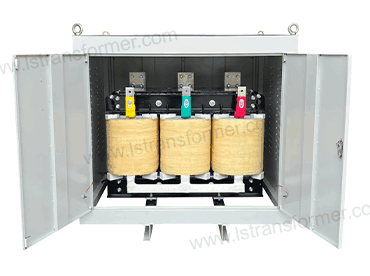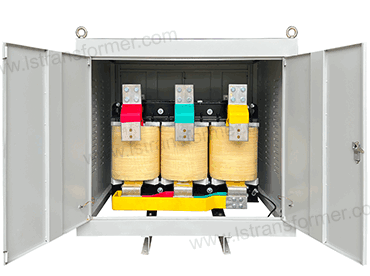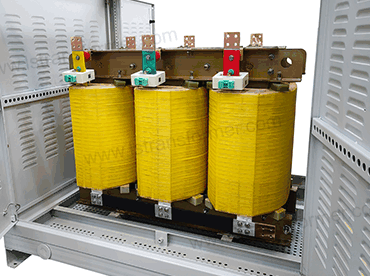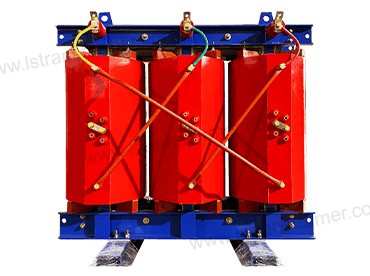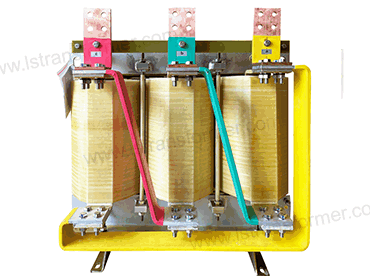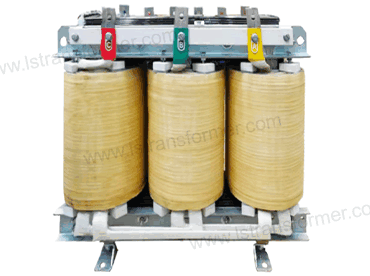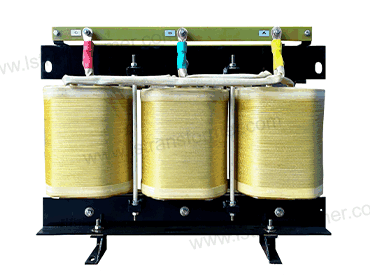






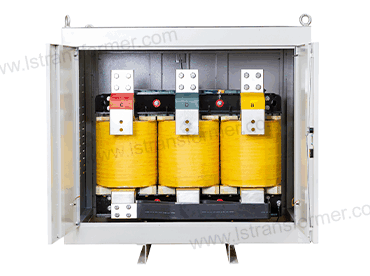
What are the routine electrical tests for transformers? (Part 1)

Casa > Preguntas frecuentes > Página 10
Preguntas frecuentes

What are the routine electrical tests for transformers? (Part 1)

What are the routine electrical tests for transformers? (Part 1) Transformers play a central role in power transmission and distribution, and their stable operation is related to the safety of the entire power system. Routine electrical tests are important means to detect the performance of transformers and discover potential faults. Content 1. Voltage ratio test
Preguntas frecuentes

¿Cuáles son los rangos de aplicación de entrada de los reactores?

What are the application ranges of input reactors? Input reactors play a crucial role in power systems, particularly in enhancing power quality and protecting electrical equipment. The following are the main characteristics and detailed functions of input reactors: Content 1. Applicable for Reactive Power Compensation and Harmonic Mitigation: Input reactors are widely used for reactive power

Preguntas frecuentes

Lo que debe tenerse cuando montaje de transformador bobinado? (2)

What should be noted when assembling the transformer winding? (2) In transformer manufacturing, the winding assembly process is of crucial importance and directly relates to the performance and operational reliability of the transformer. The following focuses on the key points in the winding assembly process. Content 1. Symmetry and alignment in the height direction (1)

Preguntas frecuentes

Lo que debe tenerse cuando montaje de transformador bobinado? (1)

What should be noted when assembling the transformer winding? (1) In transformer manufacturing, the winding assembly process is of crucial importance and directly relates to the performance and operational reliability of the transformer. The following focuses on the key points in the winding assembly process. Content 1. Precise control of winding direction The winding direction

Preguntas frecuentes

¿Cuál es la función de la Estructura de las Características y la Función de Supresión del Arco de la Bobina en la red de Energía?

What is the Function of Structure Characteristics and Role of Arc Suppression Coil in Power Grid? Arc suppression coils are vital protective devices in power systems, primarily used to suppress overvoltage caused by grounding faults, ensuring the safety and stability of electrical equipment. Their design and structural features play a crucial role in the power

Preguntas frecuentes

¿Cuáles Son el Material Aislante de los Sistemas de Resina de la Fundición de los Transformadores?

What are the Insulation Material Systems for Resin-Cast Transformers? Resin-cast transformers use epoxy resin as the primary insulation material, forming a solid structure through casting and curing. This structure has high mechanical strength and excellent insulation properties. Additionally, these transformers have good heat dissipation and are suitable for harsh environments, making them ideal for applications

Preguntas frecuentes

Cómo Reducir las Pérdidas Sin Carga en los Transformadores?

How to Reduce No-Load Losses in Transformers? No-load losses in transformers refer to the power consumed when the transformer’s secondary winding is open (i.e., not connected to a load). These losses mainly include core losses and stray magnetic losses. No-load losses are inherent to the transformer’s operation and have a certain impact on the stability

Preguntas frecuentes

¿Cuáles son las características de la lámina de liquidación?

What are the characteristics of foil winding? Foil winding are a type of winding structure commonly used in transformers and reactors, offering unique advantages that enhance both the performance and manufacturing efficiency of electrical equipment. The main characteristics of foil winding are as follows: Features 1. High Automation and Efficiency in Production  The production of

WhatsApp QR WeChat QR sales@hnlsdz.com
Desplazarse a la parte Superior