





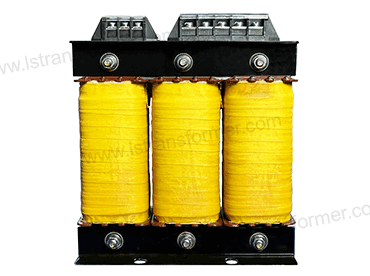
¿Cuál es el propósito de medir el voltaje sin carga y sin carga actual?

Preguntas frecuentes

¿Cuál es el propósito de medir el voltaje sin carga y sin carga actual?

What is the purpose of measuring the no-load voltage and no-load current? Measuring the no-load voltage and no-load current is a critical aspect of assessing transformer performance and quality. These measurements can reveal the operational status and characteristics of the transformer under no-load conditions, providing essential data support for design, manufacturing, and maintenance. The primary
Preguntas frecuentes

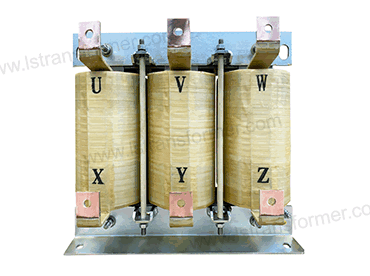
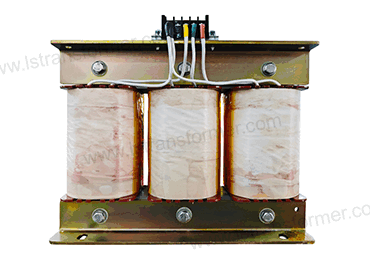
Cómo son los reactores de clasificados?

How are reactors classified? Dry-type transformers possess numerous notable characteristics that confer unique advantages and applicability in specific scenarios. Content 1. Insulation and Cooling Properties: Dry-type transformers use air as the insulating medium. Compared to oil-immersed transformers, the insulation strength and cooling performance of air are relatively inferior. To compensate for these deficiencies, dry-type transformer

Preguntas frecuentes

¿Cuál es la definición de la no-carga características de la medición?

What is the definition of the no-load characteristics measurement? The measurement of a transformer’s no-load characteristics is one of the key methods for assessing its performance and efficiency.No-load characteristics refer to the parameters measured and recorded when the secondary winding of the transformer is open-circuited, i.e., with no load connected, and specific excitation conditions are applied.

Preguntas frecuentes

¿Cuáles son las características de rendimiento de la I-transformadores de tipo?

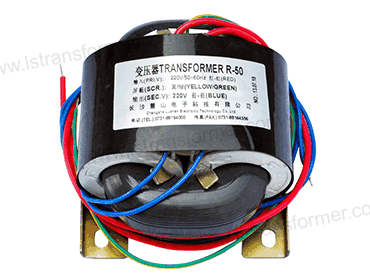
What are the performance characteristics of R-type transformers? R-type transformers exhibit exceptional performance in various applications due to their unique structure and material selection. The following are the main performance characteristics of R-type transformers: Peculiarity 1. Compact Size and Light Weight: R-type transformers featurean uncut ring-shaped core, which significantly reduces the transformer’s volume. The core

Preguntas frecuentes

Was sollte bemerkt werden bei der Montage der Trafo-Wicklung? (2)

Where can R-core transformers be applied? R-type transformers, with their unique structure and performance characteristics, are widely used across various fields. The following is a detailed description of the main application areas and advantages of R-type transformers: Fields of application 1. Industrial Control: In industrial control systems, R-type transformers are frequently used due to their low

Preguntas frecuentes

¿Cómo es el proceso de corte de la base de hierro a cabo?

How is the cutting process of the iron core conducted? Thecore cutting process is crucial in transformer manufacturing, directly affecting the core’s performance and quality. To ensure the quality of the core during cutting, various technologies and methods are typically employed. The main cutting techniques include: Content 1. Wheel Cutting Process: (1) Wheel Selection:  For cutting

Preguntas frecuentes

¿Cuál es la Causa de la Descarga Parcial de los Fallos en los Cambiadores de?

What’s the Causes of Partial Discharge Faults in Tap Changers? Local discharge faults in tap changers can be caused by various factors, typically related to the deterioration of insulation performance, external overvoltages, and material quality issues. The following are some common causes: Reason 1. Deterioration of Insulation Performance: The insulation performance of a tap changer is

Preguntas frecuentes

¿Cuáles son las ventajas de los transformadores tipo seco en comparación con el petróleo-transformadores inmersos?

What are the advantages of dry-type transformers compared to oil-immersed transformers? Dry-type transformers offer a series of significant advantages compared to oil-immersed transformers, particularly in terms of safety, maintenance, space utilization, and environmental adaptability. Merit 1. Enhanced Safety: Dry-type transformers significantly reduce fire risk due to their use ofsolid insulating materials. In contrast, oil-immersed transformers,

Preguntas frecuentes

¿Cuáles son los usos de alta frecuencia de transformadores?

What are the uses of high-frequency transformers? High-frequency transformers are specialized devices designed for the conversion of high-frequency electrical signals and play a crucial role in various fields and applications. The following is a detailed description of the main uses and functions of high-frequency transformers: Function: 1. Radio Transmitters and Receivers: High-frequency transformers are extensively

WhatsApp QR WeChat QR sales@hnlsdz.com
Desplazarse a la parte Superior