





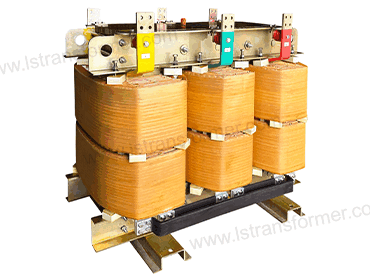
How to Calculate the Turns Ratio of a Transformer

ホーム > 投稿者: 369703005 > ページ 17
FAQ

How to Calculate the Turns Ratio of a Transformer

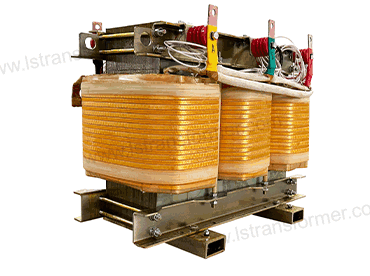
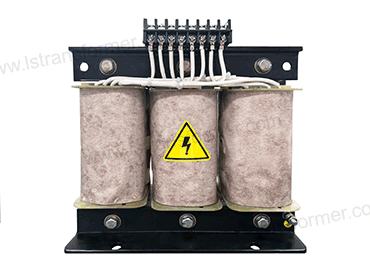
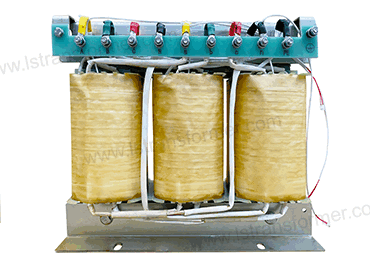
How to Calculate the Turns Ratio of a Transformer Transformers are devices used to transfer electrical energy from one circuit to another by means of electromagnetic induction. They consist of two coils wound around a magnetic core, the primary and the secondary, which are electrically isolated from each other. The turns ratio of a transformer is the ratio of the number of turns in the primary coil to the number of turns in the secondary coil. It determines the voltage transformation ratio between the primary and secondary circuits. The turns ratio is calculated by dividing the number of turns in the primary coil by the number of turns in the […]
FAQ

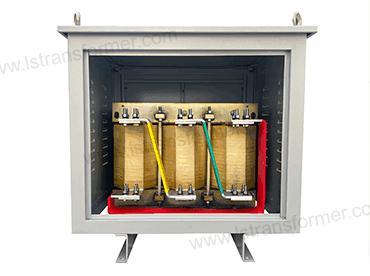
The Role of Single Point Grounding of Iron Core and the Anomaly of Multiple Point Groundings

The Role of Single Point Grounding of Iron Core and the Anomaly of Multiple Point Groundings In the electrical and electronic industry, the application of ground protection is very important. Iron core single point grounding is the most commonly used ground protection method, which requires a special grounding bar and appropriate grounding resistance to be connected to the neutral point of the transformer. Its role is to prevent the short circuit of equipment, improve the safety performance, reduce the electromagnetic radiation, and prevent the electromagnetic interference from outside. In addition, it can also reduce the neutral current, reduce the harmonic interference generated by other loads and make the current more

FAQ

Causes and Measures of Winding Short Circuit

Causes and Measures of Winding Short Circuit The winding short circuit will cause serious damage to the motor and other electrical equipment. In order to prevent the occurrence of winding short circuit accidents and ensure the safe operation of electric motor, it is necessary to understand the causes and corresponding preventive measures in depth. First of all, the main causes of winding short circuit accidents are mainly divided into two categories. One is due to the internal insulation failure of the winding, such as insulation aging and cracking; the other is due to the short circuit between the turns of the winding. The former may be caused by the quality

FAQ

Types and Characteristics of Commonly Used Insulation Materials

Types and Characteristics of Commonly Used Insulation Materials Insulation materials play an important role in the electrical and electronic industry. With the development of industry, various types of insulation materials have emerged. Here we list the types and characteristics of the most common insulation materials. 1. Polyvinyl Chloride (PVC): PVC is a kind of general purpose plastic insulation material. It has excellent mechanical properties, good chemical stability and surface hardness, and should be avoided lacquer and acid. It has good fire resistance and electrical insulation properties and is suitable for dry, wet, and corrosive environments. 2. Polyurethane foam: it has a light texture and can be made into various rigid

FAQ

What is the Purpose of Reactors?/What are Filter Reactors Used for?

What is the Purpose of Reactors?/What are Filter Reactors Used for? Reactors, also known as inductors or chokes, are devices that are used to limit the flow of alternating current (AC) in electrical systems. They are used for a variety of purposes, such as to filter out high-frequency noise or to smooth out power supply voltages. One common type of reactor is the filter reactor. These devices are used in electrical power systems to reduce harmonic distortion caused by non-linear loads. Non-linear loads are devices that do not have a linear relationship between the input voltage and current. Examples of non-linear loads include power electronics such as variable speed drives,

FAQ

The Harmful Effects of Harmonics on Electrical Systems

The Harmful Effects of Harmonics on Electrical Systems Harmonics are an unwanted distortion of the normal waveform of an electrical signal, caused by the presence of frequencies that are not part of the fundamental frequency of the system. In an electrical system, harmonics can have various harmful effects, both on the system itself and on connected equipment. One of the most significant harmful effects of harmonics is an increase in the level of voltage distortion. This can result in overheating of equipment, leading to damage or failure. In particular, the increased levels of h armonic currents can cause transformers and other equipment to overheat, leading to a shorter lifespan. Another

FAQ

What is the relationship between transformer insulation level and temperature rise standard?

What is the relationship between transformer insulation level and temperature rise standard? Insulation level and temperature rise: The insulation level of a transformer refers to the maximum allowable temperature rise, which is the heat resistance level of the insulation material used in the transformer. The temperature rise, on the other hand, refers to the temperature difference between the inside of the transformer and its surrounding environment. The insulation level of transformers is classified into different levels, such as A, E, B, F, and H. Each insulation level corresponds to a different maximum allowable temperature rise limit. For example, the A-level insulation winding temperature rise limit is 60K, the E-level insulation

FAQ

What is the difference between foil winding and wire winding in transformers?

What is the difference between foil winding and wire winding in transformers? Foil winding refers to the winding made by winding aluminum foil or copper foil, and one turn is one layer. Foil winding is suitable for low voltage, high current transformer.Wire winding means winding with one or more wires in circles, mainly used for transformers with rated current below 200Ampere.Foil winding is convenient to make, high efficiency, stronger short-circuit resistance, and less loss. However, the height of the coil is limited by the height of the foil, and a special foil winding machine is required.Wire winding is relatively complex to make, but the cost of the conductor material is

FAQ

What is the differences between Shell-Type and Core-Type Transformers

What is the differences between Shell-Type and Core-Type Transformers Transformers are essential devices in the transmission and distribution of electrical power. They are used to step up or step down voltage levels as required in various applications. The two most common types of transformers are the shell-type and core-type transformers. The primary difference between these two types of transformers is the arrangement of the primary and secondary coils. In a shell-type transformer, the primary and secondary coils are wound on a central magnetic core, while in a core-type transformer, the primary and secondary coils surround a central magnetic core. One of the advantages of shell-type transformers is that they can

FAQ

The Reason behind Laminating Silicon Steel Sheets in Power Transformers

The Reason behind Laminating Silicon Steel Sheets in Power Transformers Silicon steel sheets are widely used in the manufacturing of power transformers due to their low magnetic losses. These sheets are made by rolling steel into thin sheets and then laminating them to reduce eddy current losses. The process of laminating silicon steel sheets is done by stacking them one on top of the other, creating a laminated core. But what is the reason behind laminating these sheets? The main reason behind laminating silicon steel sheets is to reduce eddy current losses. When an alternating current flows through a conductor, eddy currents are induced in the conductor. These eddy currents

WhatsAppにQR WeChat QR sales@hnlsdz.com
スクロールトップ