





What is the differences between Shell-Type and Core-Type Transformers

ホーム > 投稿者: 369703005 > ページ 18
FAQ

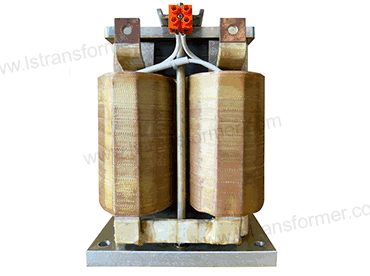
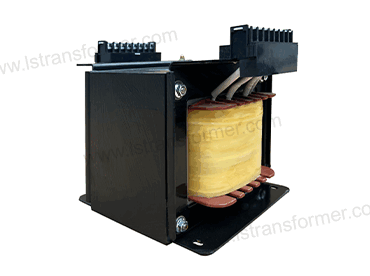
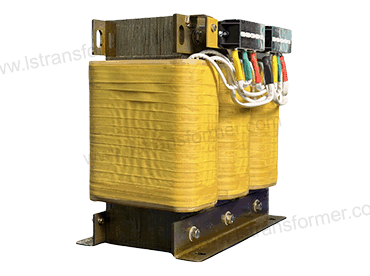
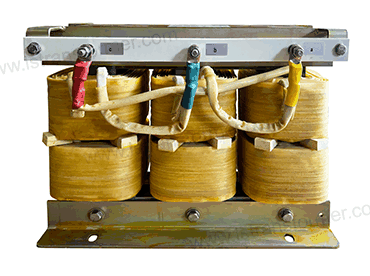
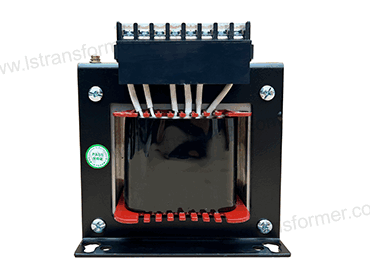
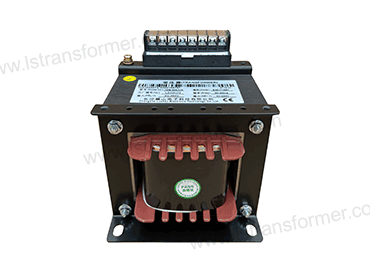
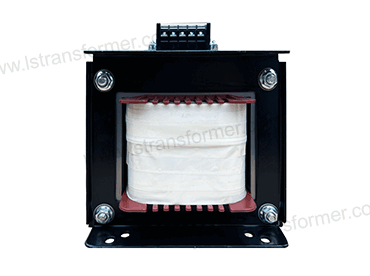
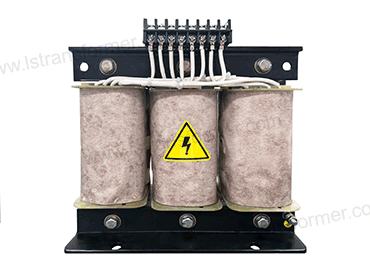
What is the differences between Shell-Type and Core-Type Transformers

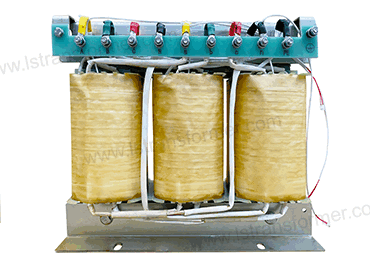
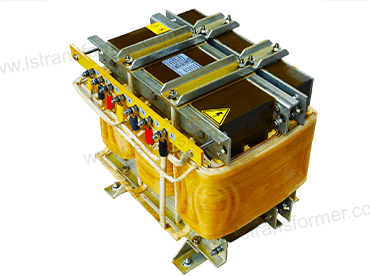
What is the differences between Shell-Type and Core-Type Transformers Transformers are essential devices in the transmission and distribution of electrical power. They are used to step up or step down voltage levels as required in various applications. The two most common types of transformers are the shell-type and core-type transformers. The primary difference between these two types of transformers is the arrangement of the primary and secondary coils. In a shell-type transformer, the primary and secondary coils are wound on a central magnetic core, while in a core-type transformer, the primary and secondary coils surround a central magnetic core. One of the advantages of shell-type transformers is that they can […]
FAQ

The Reason behind Laminating Silicon Steel Sheets in Power Transformers

The Reason behind Laminating Silicon Steel Sheets in Power Transformers Silicon steel sheets are widely used in the manufacturing of power transformers due to their low magnetic losses. These sheets are made by rolling steel into thin sheets and then laminating them to reduce eddy current losses. The process of laminating silicon steel sheets is done by stacking them one on top of the other, creating a laminated core. But what is the reason behind laminating these sheets? The main reason behind laminating silicon steel sheets is to reduce eddy current losses. When an alternating current flows through a conductor, eddy currents are induced in the conductor. These eddy currents

FAQ

Insulation Class and Temperature Rise

Insulation Class and Temperature Rise Insulation class and temperature rise are two critical factors that determine the maximum operating temperature of electrical equipment. Insulation class refers to the maximum allowable temperature rise that the insulation material of a particular electrical device can withstand over a given period. Temperature rise, on the other hand, is the increase in temperature that occurs in electrical equipment during operation. The insulation class of an electrical device is determined by the insulation material used in the device. Insulation materials are rated based on their ability to withstand heat and prevent current leakage. The insulation class is typically expressed as a letter, such as A, B,

FAQ

Differences Between Reactors and Filters in Electrical Systems

Differences Between Reactors and Filters in Electrical Systems Reactors and filters are two commonly used components in electrical systems, both of which are designed to help regulate and control electrical signals. While they share some similarities in terms of their functions and applications, there are also important differences between the two. A reactor, as we’ve discussed in previous articles, is an electrical component that is used to introduce inductive reactance into a circuit. This reactance helps to limit current flow and protect the system from power surges and other electrical disturbances. In contrast, a filter is used to remove unwanted frequencies or noise from an electrical signal. The main difference

FAQ

Transformer Testing Items

Transformer Testing Items Transformer testing is an important process to ensure that transformers meet safety and performance standards. There are several testing items that are typically performed during transformer testing, including: (1) Ratio Test: This test measures the ratio of the transformer’s output voltage to its input voltage. (2) Polarity Test: This test ensures that the transformer’s polarity is correct. (3) Insulation Resistance Test: This test measures the insulation resistance of the transformer to determine its overall insulation condition. (4) Winding Resistance Test: This test measures the resistance of the transformer’s windings to ensure that they are not damaged. (5) Load Loss and Impedance Test: This test measures the transformer’s

FAQ

Reasons for Increasing Transformer Noise

Reasons for Increasing Transformer Noise Transformers play a crucial role in the transmission and distribution of electrical power. However, one common issue that can arise is an increase in transformer noise. This noise can be a nuisance to nearby residents and can also be an indication of a potential problem with the transformer. There are several reasons why transformer noise can increase, including: (1) Overloading: If a transformer is overloaded, the increased current can cause vibrations in the windings and core, leading to increased noise. (2) Aging: Over time, transformers can experience wear and tear, leading to increased vibration and noise. (3) Faulty design or construction: Poor design or construction

FAQ

How to Choose a Circuit Breaker

How to Choose a Circuit Breaker Choosing the right circuit breaker is important for ensuring the safe and reliable operation of an electrical system. There are several factors to consider when selecting a circuit breaker, including the type of load, the expected current, and the location and environment in which it will be installed. One of the first things to consider when choosing a circuit breaker is the type of load it will be protecting. Different types of loads, such as motors, lighting circuits, and transformers, have different characteristics and require different types of circuit breakers. Another important factor to consider is the expected current. Circuit breakers are designed to

FAQ

Principles of Isolation Transformers

Principles of Isolation Transformers Isolation transformers are used to transfer electrical power from a source to a load while maintaining electrical isolation between the two. The primary purpose of an isolation transformer is to protect sensitive electrical equipment from electrical noise, power surges, and other sources of electrical interference. The basic principles of isolation transformers involve a primary winding, a secondary winding, and a magnetic core. The primary winding is connected to the input voltage source, while the secondary winding is connected to the output load. The magnetic core provides a closed loop for the magnetic field and helps to increase the transformer’s efficiency. One of the key features of

FAQ

Why is Silicon Steel Used as Core Material in Transformers?

Why is Silicon Steel Used as Core Material in Transformers? Transformers are an essential component of the electrical power system, and they operate on the principle of electromagnetic induction. The efficiency and performance of a transformer depend on the quality of the core material used. The core material is responsible for transferring the magnetic flux from the primary winding to the secondary winding, and vice versa. One of the most commonly used core materials in transformers is silicon steel. Silicon steel, also known as electrical steel, is a special type of steel that has a low carbon content and is alloyed with silicon. The addition of silicon increases the resistivity

FAQ

Why is Transformer Voltage Regulation High-to-High and Low-to-Low?

Why is Transformer Voltage Regulation High-to-High and Low-to-Low? Transformer voltage regulation refers to the ability of the transformer to maintain a relatively constant output voltage even when the input voltage varies. This is an important factor in ensuring the safe and reliable operation of electrical equipment. When it comes to adjusting the output voltage of a transformer, there are two basic methods: high-to-high (H-H) and low-to-low (L-L). In the H-H method, the voltage is increased on the high-voltage side of the transformer, while in the L-L method, the voltage is decreased on the low-voltage side of the transformer. So why is the H-H method typically preferred for voltage regulation? There

WhatsAppにQR WeChat QR sales@hnlsdz.com
スクロールトップ