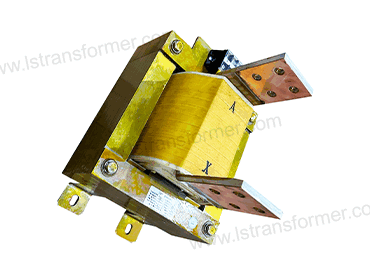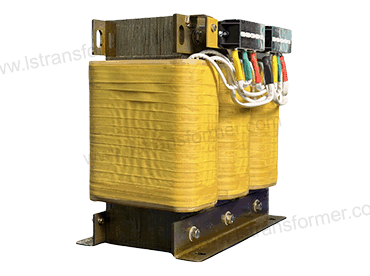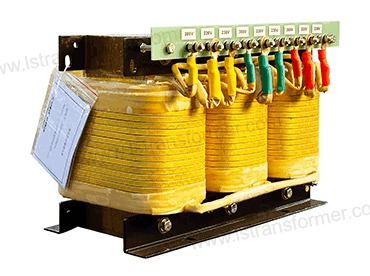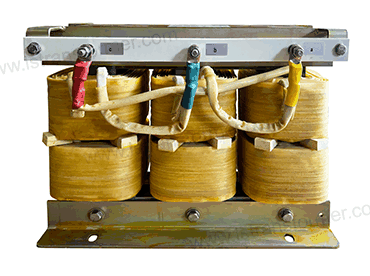






Working Principle of Reactors

ホーム > 投稿者: 369703005 > ページ 19
FAQ

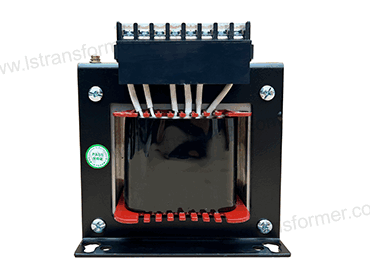
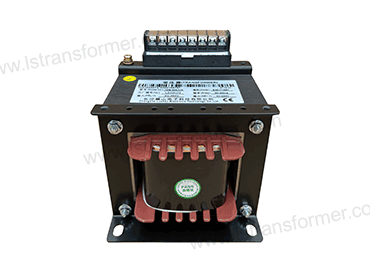
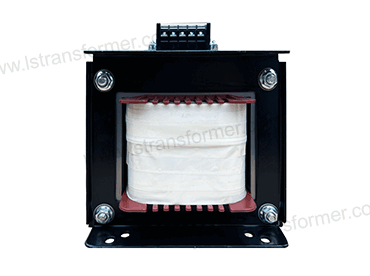
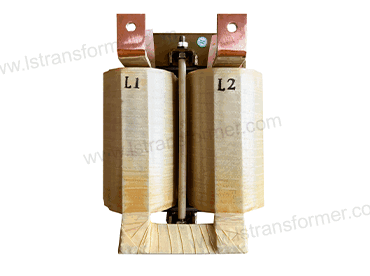
Working Principle of Reactors

Working Principle of Reactors Reactors work based on the principle of inductance. When an electrical current flows through a conductor, it generates a magnetic field around the conductor. The magnetic field, in turn, induces a voltage in the conductor. This voltage opposes the original current and limits the amount of current that can flow through the circuit. The magnitude of this opposition is proportional to the frequency of the current flowing through the reactor, as well as the inductance of the reactor itself. The inductance of a reactor is determined by its physical properties, such as the number of turns of wire in the coil, the material of the core, […]
FAQ

Calculating the Rated Current of a Transformer

Calculating the Rated Current of a Transformer Transformers are used to transfer electrical energy from one circuit to another through the means of magnetic induction. In order to properly design and operate a transformer, it is important to calculate the rated current of the transformer. The rated current is the maximum current that the transformer can safely handle while maintaining proper operation. To calculate the rated current of a transformer, the following formula can be used: Rated Current = Transformer VA / (Transformer Voltage * 1.732) Where VA is the rated volt-ampere capacity of the transformer, and 1.732 is the square root of 3. The resulting value of the calculation

FAQ

Differences between Power Factor and Efficiency

Differences between Power Factor and Efficiency Power factor and efficiency are two important parameters in the operation of transformers. However, they have different meanings and are calculated using different formulas. Power factor is a measure of how effectively the electrical energy is being used by the load. It is defined as the ratio of the real power (P) to the apparent power (S) in the circuit. Power factor values range from 0 to 1, and a higher power factor indicates that more of the supplied electrical power is being used by the load. Efficiency, on the other hand, is a measure of how much of the input power is being

FAQ

Transformer Cooling Methods

Transformer Cooling Methods Transformer cooling is an important aspect to consider during transformer design and operation. It is crucial to maintain a safe operating temperature for the transformer’s components and to extend its lifespan. There are different cooling methods available for transformers, including air cooling, oil-immersed cooling, and water cooling. Air cooling is the simplest and most cost-effective cooling method, which utilizes natural air convection to dissipate the heat generated by the transformer. Oil-immersed cooling involves circulating oil through the transformer’s core and windings, where it absorbs the heat and then circulates through cooling tubes. Water cooling is also an effective method that uses a water-cooled heat exchanger to transfer

FAQ

Reasons for Increasing Transformer Noise

Reasons for Increasing Transformer Noise Transformers play a crucial role in the transmission and distribution of electrical power. However, one common issue that can arise is an increase in transformer noise. This noise can be a nuisance to nearby residents and can also be an indication of a potential problem with the transformer. There are several reasons why transformer noise can increase, including: (1) Overloading: If a transformer is overloaded, the increased current can cause vibrations in the windings and core, leading to increased noise. (2) Aging: Over time, transformers can experience wear and tear, leading to increased vibration and noise. (3) Faulty design or construction: Poor design or construction

FAQ

Conditions for Parallel Operation of Transformers

Conditions for Parallel Operation of Transformers Parallel operation of transformers is a common practice in power systems where multiple transformers are connected together to share the load. However, for transformers to operate in parallel, certain conditions must be met to ensure that the transformers operate safely and efficiently. The first condition for parallel operation is that the transformers must have the same voltage ratio and phase shift. This means that the transformers must be identical or have the same impedance ratio. Otherwise, if the transformers have different voltage ratios, the transformers may not share the load equally, and some transformers may be overloaded. The second condition is that the transformers

FAQ

How to Choose a Circuit Breaker

How to Choose a Circuit Breaker Choosing the right circuit breaker is important for ensuring the safe and reliable operation of an electrical system. There are several factors to consider when selecting a circuit breaker, including the type of load, the expected current, and the location and environment in which it will be installed. One of the first things to consider when choosing a circuit breaker is the type of load it will be protecting. Different types of loads, such as motors, lighting circuits, and transformers, have different characteristics and require different types of circuit breakers. Another important factor to consider is the expected current. Circuit breakers are designed to

FAQ

Principles of Isolation Transformers

Principles of Isolation Transformers Isolation transformers are used to transfer electrical power from a source to a load while maintaining electrical isolation between the two. The primary purpose of an isolation transformer is to protect sensitive electrical equipment from electrical noise, power surges, and other sources of electrical interference. The basic principles of isolation transformers involve a primary winding, a secondary winding, and a magnetic core. The primary winding is connected to the input voltage source, while the secondary winding is connected to the output load. The magnetic core provides a closed loop for the magnetic field and helps to increase the transformer’s efficiency. One of the key features of

FAQ

Why is Silicon Steel Used as Core Material in Transformers?

Why is Silicon Steel Used as Core Material in Transformers? Transformers are an essential component of the electrical power system, and they operate on the principle of electromagnetic induction. The efficiency and performance of a transformer depend on the quality of the core material used. The core material is responsible for transferring the magnetic flux from the primary winding to the secondary winding, and vice versa. One of the most commonly used core materials in transformers is silicon steel. Silicon steel, also known as electrical steel, is a special type of steel that has a low carbon content and is alloyed with silicon. The addition of silicon increases the resistivity

FAQ

Why is Transformer Voltage Regulation High-to-High and Low-to-Low?

Why is Transformer Voltage Regulation High-to-High and Low-to-Low? Transformer voltage regulation refers to the ability of the transformer to maintain a relatively constant output voltage even when the input voltage varies. This is an important factor in ensuring the safe and reliable operation of electrical equipment. When it comes to adjusting the output voltage of a transformer, there are two basic methods: high-to-high (H-H) and low-to-low (L-L). In the H-H method, the voltage is increased on the high-voltage side of the transformer, while in the L-L method, the voltage is decreased on the low-voltage side of the transformer. So why is the H-H method typically preferred for voltage regulation? There

WhatsAppにQR WeChat QR sales@hnlsdz.com
スクロールトップ