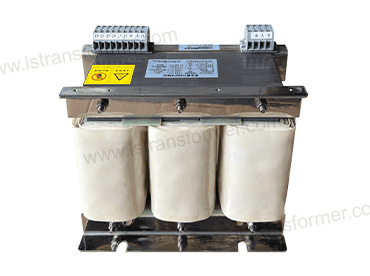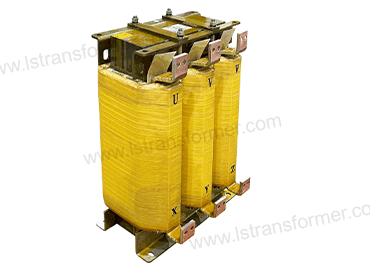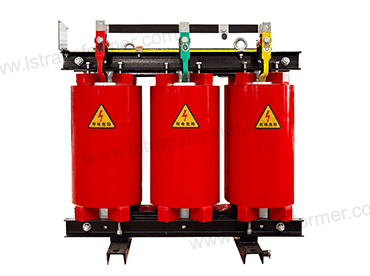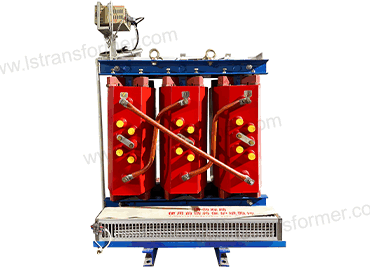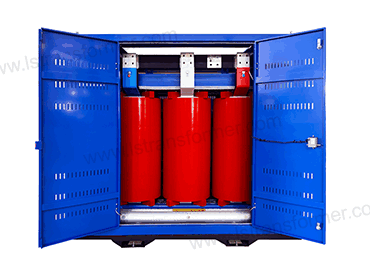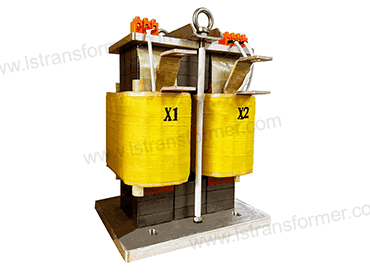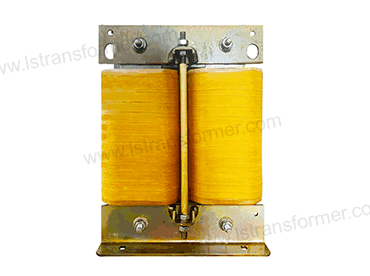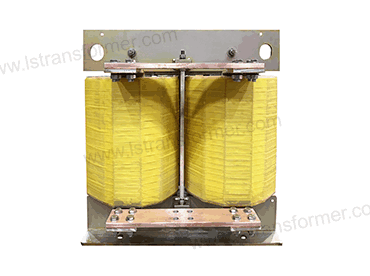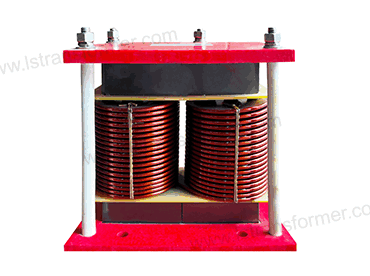






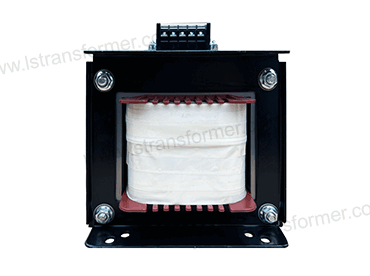
Why is Transformer Voltage Regulation High-to-High and Low-to-Low?
Why is Transformer Voltage Regulation High-to-High and Low-to-Low? Transformer voltage regulation refers to the ability of the transformer to maintain a relatively constant output voltage even when the input voltage varies. This is an important factor in ensuring the safe and reliable operation of electrical equipment. When it comes to adjusting the output voltage of a transformer, there are two basic methods: high-to-high (H-H) and low-to-low (L-L). In the H-H method, the voltage is increased on the high-voltage side of the transformer, while in the L-L method, the voltage is decreased on the low-voltage side of the transformer. So why is the H-H method typically preferred for voltage regulation? There […]