





Are Resistor and Transformer Cores the Same?

ホーム > 投稿者: 369703005 > ページ 21
FAQ

Are Resistor and Transformer Cores the Same?

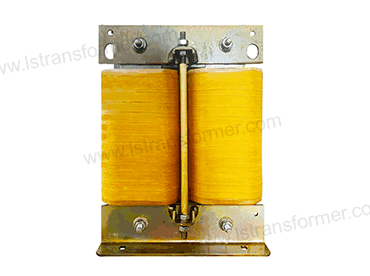
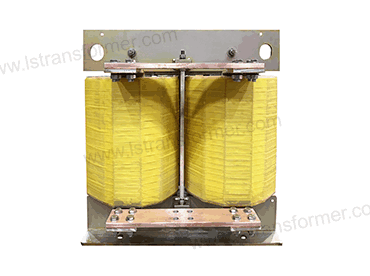
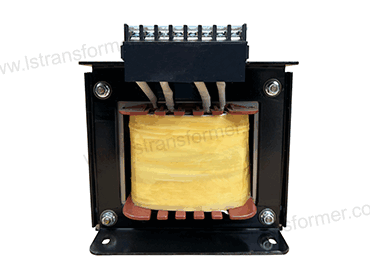
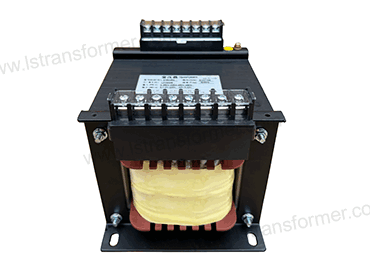
Resistor and transformer cores are not the same. While both types of cores are made of ferrous material such as iron, they are used for different purposes and have different electrical and magnetic properties. Resistor cores are used to control the flow of electricity in the circuit. The core material is usually wound in a wire and is used to control the resistance of the resistor. The core material is chosen based on its electrical properties such as voltage, temperature and resistance rating. Transformer cores, on the other hand, are used to convert energy from one form to another. The core material is usually wound in a coil and is […]
FAQ

Air Gap in Reactor Iron Core

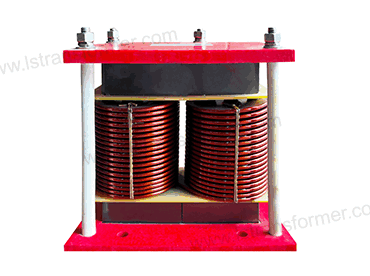
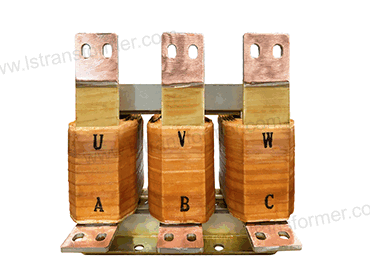
Reactor iron core is an essential component in reactors that helps to provide inductive reactance. An air gap in the reactor iron core can significantly affect its performance. An air gap refers to the space between two magnetic cores that interrupts the magnetic field. The presence of an air gap in the reactor iron core will cause the magnetic field to leak, which can lead to significant power loss. It also increases the current density, which can cause the temperature to rise and degrade the insulation of the windings. The air gap can also cause noise and vibration, which can affect the performance of the reactor. To prevent an air

FAQ

Common Malfunctions and Troubleshooting Methods for Reactors

Reactors are important components in many electrical systems and can be subject to various malfunctions that affect their performance. Here are some common malfunctions and troubleshooting methods for reactors: Overheating: This can be caused by several factors, including overloading, insufficient cooling, or poor ventilation. The solution is to reduce the load on the reactor, improve cooling or ventilation, and monitor the temperature. Noise: Reactors can generate noise due to magnetic forces or vibrations. This can be reduced by using dampeners, isolators, or increasing the distance between reactors. Capacitance coupling: This occurs when there is a capacitance between the reactor and other components, leading to interference or feedback. The solution is

FAQ

Why Grounded Flat Iron Cannot Be Closed in Resistors

Grounded flat iron is a commonly used material in resistors. It is used to connect different electrical components in the circuit and provide connection points between components. However, closing the grounded flat iron is not advisable in resistors and should be avoided. This is due to the risk of the resistor becoming short circuited. The problem arises when the grounded flat iron is closed too tightly. When this happens, the two contact points of the flat iron are brought too close together, which can cause a short circuit in the resistor. This, in turn, results in a large amount of current flowing through the resistor, resulting in damage to the

FAQ

How to Judge the Quality of Reactors

Reactors are important components in electrical circuits, and their quality directly affects the performance and reliability of the circuit. Here are some key factors to consider when judging the quality of a reactor: (1) Inductance: The inductance of a reactor is a key parameter that directly affects its performance. A high-quality reactor should have a stable inductance value, and the inductance should not change significantly with temperature, frequency, or load conditions. (2) Impedance: The impedance of a reactor is another important parameter to consider. A high-quality reactor should have a stable impedance value, and the impedance should be consistent with the rated value. Insulation: Insulation is also a key factor

FAQ

What are applications of Reactors?

Reactors find a wide range of applications across various industries. They are used to control current, voltage, and frequency in electrical systems. Here are some of the most common applications of reactors: Power transmission: Reactors are used in power transmission systems to limit the flow of current and to protect equipment from voltage surges. (1) Motor control: Reactors are used in motor control circuits to limit the inrush current and to protect the motor from voltage spikes. (2) Lighting systems: Reactors are used in lighting systems to reduce the flicker caused by variations in the power supply. (3) Welding machines: Reactors are used in welding machines to provide a stable

FAQ

Differences Between Copper and Aluminum Cores in Resistors

Resistors are essential components of any circuit and play an important role in providing current and voltage control as well as noise reduction. When designing a circuit, it is important to pick the right type of resistor for the application. One of the important parameters to consider when selecting a resistor is the core material, which is usually either copper or aluminum. Copper and aluminum cores have different electrical and thermal properties, so it is important to understand the differences between them. In terms of electrical properties, copper is a better conductor than aluminum. Copper has a much lower electrical resistance, which means that it can handle higher currents. This

FAQ

Are Inductors and Reactors the Same Thing?

In the world of electrical engineering, the terms “inductor” and “reactor” are often used interchangeably. However, while these two components share some similarities, they are not actually the same thing. An inductor, also known as a coil, is a passive electrical component that stores energy in a magnetic field when an electrical current flows through it. Inductors are commonly used in circuits to regulate current, filter noise, and store energy. A reactor, on the other hand, is a type of inductor that is specifically designed to provide a reactive impedance to a circuit. This reactive impedance can be either inductive or capacitive, and it is used to control the flow

FAQ

The Consequences of Mismatching Inductors and Capacitors

When a reactor and a capacitor are connected in parallel in an AC circuit, they can act as a filter that blocks certain frequencies while allowing others to pass through. This is known as a tuned circuit or a resonant circuit. The resonant frequency of the circuit is determined by the values of the reactor and capacitor. However, if the reactor and capacitor are not matched properly, the circuit may not function as intended. If the reactor and capacitor have different resonant frequencies, the circuit may pass unwanted frequencies and attenuate the desired frequencies. This can lead to distorted signals, increased harmonics, and decreased power quality. In extreme cases, it

FAQ

Differences between Air-Core and Iron-Core Inductors

Differences between Air-Core and Iron-Core Inductors Inductors, or “coils,” are used in electrical circuits to store energy in a magnetic field. There are two types of inductors: air-core and iron-core. The primary difference between them is the material used to create the core. Air-core inductors use a hollow, non-magnetic core, usually made of plastic, ceramic, or some other insulating material. They have low inductance values and are used in high-frequency circuits. Because of their low inductance values, they are less susceptible to distortion and are more stable at high frequencies. Iron-core inductors use a magnetic core, usually made of iron, ferrite, or powdered iron. They have higher inductance values and

WhatsAppにQR WeChat QR sales@hnlsdz.com
スクロールトップ