





Differences between Air-Core and Iron-Core Inductors

ホーム > 投稿者: 369703005 > ページ 22
FAQ

Differences between Air-Core and Iron-Core Inductors

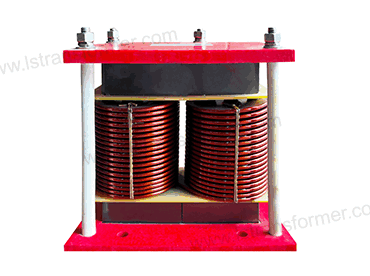
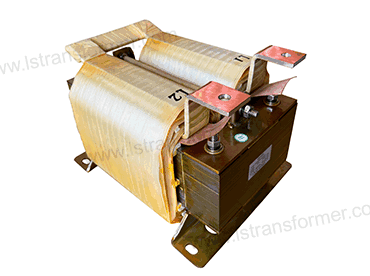
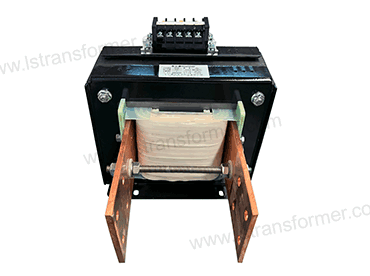
Differences between Air-Core and Iron-Core Inductors Inductors, or “coils,” are used in electrical circuits to store energy in a magnetic field. There are two types of inductors: air-core and iron-core. The primary difference between them is the material used to create the core. Air-core inductors use a hollow, non-magnetic core, usually made of plastic, ceramic, or some other insulating material. They have low inductance values and are used in high-frequency circuits. Because of their low inductance values, they are less susceptible to distortion and are more stable at high frequencies. Iron-core inductors use a magnetic core, usually made of iron, ferrite, or powdered iron. They have higher inductance values and […]
FAQ

Wiring Methods of Reactors in Electrical Systems

Wiring Methods of Reactors in Electrical Systems Reactor wiring is a critical aspect of electrical system design and operation. There are several different methods that can be used to connect reactors in a circuit, each with its own advantages and disadvantages. One common method is to wire reactors in series, which can help increase overall inductance and reduce current ripple. Another method is to wire reactors in parallel, which can help distribute current more evenly and reduce the risk of overheating. It’s also important to consider the type of connection used, such as delta or wye, as well as the use of taps or adjustable reactors for greater flexibility in

FAQ

Vacuum Epoxy Casting Transformer Development and Prospects

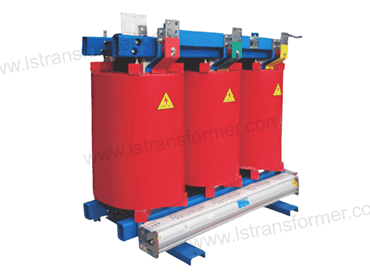
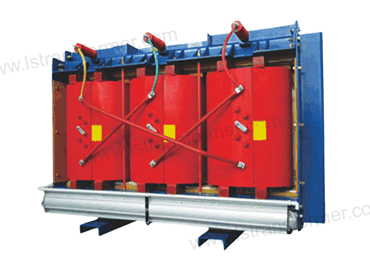
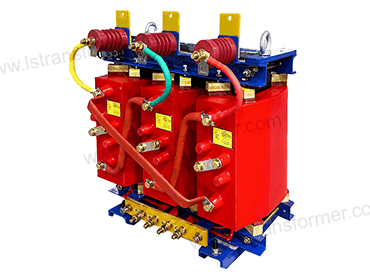
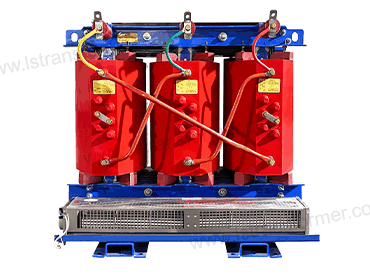
Vacuum epoxy casting technology is widely used in the production of transformers, due to its ability to improve the performance of transformers. With the development of technology, vacuum epoxy casting transformers are becoming an increasingly important part of the transformer industry, with certain advantages and disadvantages. This article will discuss the development of vacuum epoxy casting transformers, and their potential prospects for the future. First, in terms of development, vacuum epoxy casting technology has greatly improved the performance and durability of transformers. With the increasing demand for higher performance and longer service life, vacuum epoxy casting technology has ensured that transformers have more reliable insulation performance and better mechanical properties.

FAQ

High Altitude Application of Vacuum Epoxy Resin Cast Transformer

Transformers play a crucial role in the transmission and distribution of electricity in various industries. One particular application that presents a unique challenge is the use of transformers in high-altitude areas, such as mountainous regions or in aerospace applications. In these areas, the environmental conditions, such as low pressure and low temperature, can significantly affect the performance and reliability of transformers. Therefore, the design and manufacture of transformers intended for high-altitude applications must consider these conditions to ensure optimal operation. Vacuum epoxy resin cast transformers have become a popular choice for high-altitude applications due to their excellent insulation performance and high mechanical strength. These transformers are designed with special consideration

FAQ

Vacuum Epoxy Casting Transformer Maintenance and Maintenance

Transformers produced with vacuum epoxy casting technology are a great option to improve the performance of the transformer, but they also require regular maintenance and inspection in order to ensure their safety and quality. In order to maximize the performance and service life of vacuum epoxy casting transformers, regular maintenance and inspection of the equipment and the transformer should be done. The first step in maintaining a vacuum epoxy casting transformer is to check the condition of the mold and the furnace. The mold and the furnace must be properly maintained and regularly inspected for any signs of wear or damage. The furnace must also be kept clean and free

FAQ

Factors determining the lifespan of vacuum cast resin transformers

Vacuum cast resin transformers are widely used in various industrial applications due to their high reliability and long lifespan. However, the lifespan of these transformers can vary depending on several factors. The design and quality of the transformer’s components are crucial in determining its lifespan. A well-designed transformer with high-quality components will typically have a longer lifespan than a poorly designed transformer with low-quality components. Therefore, it is important to choose a reputable manufacturer with a proven track record of producing high-quality transformers. Another important factor that affects the lifespan of vacuum cast resin transformers is the operating conditions. If a transformer is operated outside its rated capacity, it may

FAQ

Vacuum Epoxy Casting Transformer Fault Diagnosis and Countermeasures

Vacuum epoxy casting technology is widely used in transformer production to improve the performance of transformers. However, due to the complexity of the process and the use of high temperature and vacuum, it can also lead to faults in some transformers. Therefore, it is important to have a good understanding of the fault diagnosis and countermeasures for vacuum epoxy casting transformer. The most common fault of the vacuum epoxy casting transformer is the uneven insulation performance of the transformer. This can result from the improper molding of the transformer, or the uneven heating or cooling of the transformer during the production process. To diagnose this type of fault, the transformer

FAQ

Electromagnetic Interference Immunity of Vacuum Epoxy Resin Casting Transformer

With the development of modern industry and the widespread use of electronic equipment, the problem of electromagnetic interference (EMI) has become increasingly serious. Vacuum epoxy resin casting transformer, as a type of power transformer, is also affected by electromagnetic interference. Therefore, the electromagnetic interference immunity of the vacuum epoxy resin casting transformer has become a key parameter to ensure its stable and reliable operation. The electromagnetic interference immunity of the vacuum epoxy resin casting transformer is related to the design and production process of the transformer. The transformer must have good shielding and grounding measures to prevent external electromagnetic interference from entering the transformer. In addition, the transformer’s winding structure

FAQ

Insulation Design of Vacuum Epoxy Cast Transformers

Vacuum epoxy cast transformers are widely used in power systems due to their excellent electrical insulation and mechanical strength. Insulation design is a crucial factor for the performance and reliability of these transformers. The insulation system of a vacuum epoxy cast transformer includes solid insulation and liquid insulation. Solid insulation includes insulating materials such as mica, glass fiber, and epoxy resin. These materials are used to insulate the conductor, core, and winding of the transformer. Liquid insulation includes transformer oil, which is used to insulate and cool the transformer. The insulation design of a vacuum epoxy cast transformer must consider the electrical, thermal, and mechanical stresses that the transformer will

FAQ

Thermal Management and Temperature Control Strategy for Vacuum Epoxy Resin Cast Transformer

Thermal management and temperature control are crucial for the safe and efficient operation of vacuum epoxy resin cast transformers. The transformer should be designed with proper thermal management to prevent overheating, which can cause insulation failure and even fire hazards. The temperature inside the transformer should be controlled within a certain range. Overheating can be prevented by using cooling systems such as air or water cooling. The cooling system should be designed according to the transformer’s power rating and operating conditions. Temperature control strategy is also important to ensure stable and reliable operation of the transformer. The temperature can be measured by temperature sensors, and then controlled by a temperature

WhatsAppにQR WeChat QR sales@hnlsdz.com
スクロールトップ