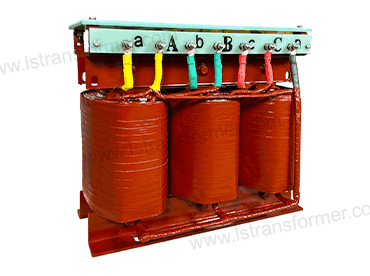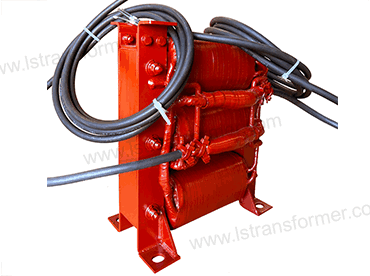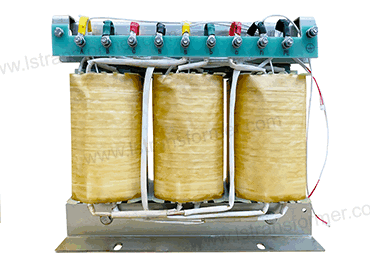






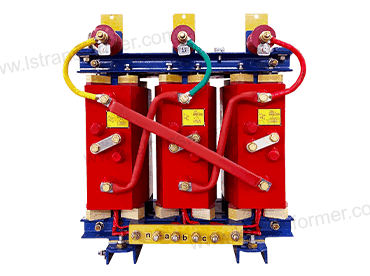
Thermal Management and Temperature Control Strategy for Vacuum Epoxy Resin Cast Transformer

ホーム > 投稿者: 369703005 > ページ 24
FAQ

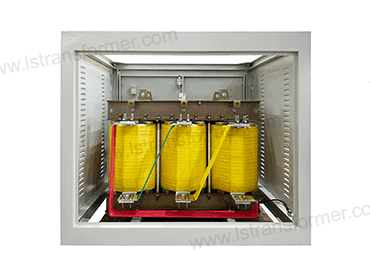
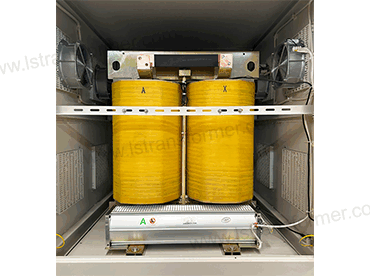
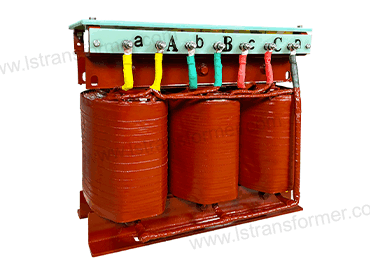
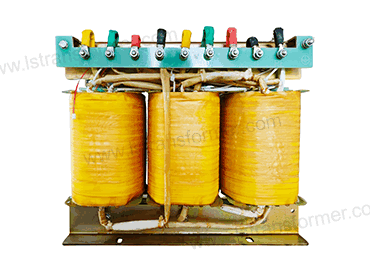
Thermal Management and Temperature Control Strategy for Vacuum Epoxy Resin Cast Transformer

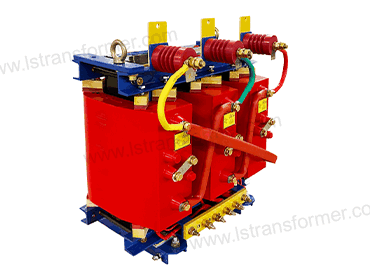
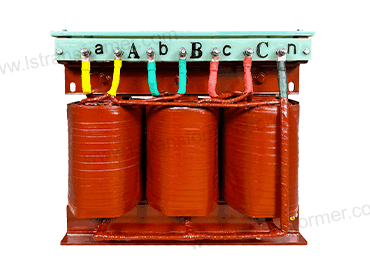
Thermal management and temperature control are crucial for the safe and efficient operation of vacuum epoxy resin cast transformers. The transformer should be designed with proper thermal management to prevent overheating, which can cause insulation failure and even fire hazards. The temperature inside the transformer should be controlled within a certain range. Overheating can be prevented by using cooling systems such as air or water cooling. The cooling system should be designed according to the transformer’s power rating and operating conditions. Temperature control strategy is also important to ensure stable and reliable operation of the transformer. The temperature can be measured by temperature sensors, and then controlled by a temperature […]
FAQ

Tests Required for Vacuum Epoxy Resin Cast Transformers

Vacuum epoxy resin cast transformers are widely used due to their various advantages, including low noise, low partial discharge, high reliability, and long service life. To ensure the safe and stable operation of these transformers, several tests need to be conducted before putting them into operation. (1) Insulation resistance test: This test is performed to ensure the proper insulation resistance of the transformer windings. A megger is used to measure the insulation resistance between the winding and ground. The recommended value for insulation resistance is 1 megaohm or higher. (2) Ratio test: The ratio test is conducted to verify the turns ratio of the transformer. The actual turns ratio is

FAQ

What reasons can cause abnormal noise in transformers?

What reasons can cause abnormal noise in transformers? During the operation of a transformer, the occurrence of abnormal noise can be attributed to various factors. When the transformer operates under overload conditions, internal copper and iron losses increase, leading to elevated temperatures and reduced heat dissipation. In such situations, the transformer may emit a dull humming sound, caused by saturation of the transformer core and an increase in magnetic flux density. Poor internal contacts in the transformer can result in localized discharge, generating sparking noises. This type of sound is typically sharp and continuous. Loose components within the transformer can also lead to unusual noises. These components may vibrate during

FAQ

How to Reduce Transformer Core Losses?

How to Reduce Transformer Core Losses? Transformer core losses primarily include eddy current losses and hysteresis losses. Here is an elaboration on methods to decrease core losses: (1) Optimize core material: To minimize losses, selecting core materials with low losses and high saturation magnetic induction is crucial. Silicon steel is currently one of the most widely used materials for transformer cores, and its silicon content effectively reduces eddy current losses. (2) Employ laminating techniques: Transforming silicon steel into laminated sheets can effectively slow down the formation and propagation of eddy currents, thereby reducing loss levels. This laminating technique contributes to enhancing the performance of the core and reducing energy losses.

FAQ

What Causes Winding Breakage?

What Causes Winding Breakage? There are several reasons that can lead to winding breakage in transformers: (1) Unstable Line Connections: When the winding connections in a transformer are problematic, such as poor welding, inadequate contact, or loosening, it may result in concentrated currents or localized overheating at the connection points. Prolonged overheating can accelerate the aging of internal insulation materials, ultimately causing the winding to break. (2) Various Overvoltages: Overvoltage occurs when the voltage surpasses the normal operating range of the equipment. Elevated voltages can increase electric field intensity, damaging the insulation materials of the winding and potentially causing partial or complete winding breakage. Various forms of overvoltage induce overcurrent

FAQ

What Causes Overheating of Transformer Core?

What Causes Overheating of Transformer Core? The overheating of a transformer core can be attributed to several factors: (1) Overload: When a transformer operates under excessive load, the current passing through the core increases, generating additional Joule heating. This can result in an elevated temperature of the core, surpassing the design temperature. (2) Iron Loss: The iron loss of the core is related to the magnetic flux density and frequency during transformer operation. If the operating point deviates from the design point, causing an increase in iron loss, it can lead to overheating of the core. (3) Harmonics: During transformer operation, harmonics in the system can induce overheating of the

FAQ

How to Approach Transformer Temperature Rise Reasonably?

How to Approach Transformer Temperature Rise Reasonably? Perspectives on temperature rise encompass various aspects essential for the long-term stable operation of transformers, specifically in the following dimensions: (1) Safety: The prudent control of temperature rise aims to ensure that the internal temperature of the transformer does not exceed safety limits. This measure is primarily intended to mitigate the risk of overheating, effectively preventing potential fire incidents or other malfunctions. (2) Efficiency: Careful temperature rise control contributes to improving the efficiency of transformers. During the design phase, the emphasis is typically on achieving the lowest possible temperature rise to reduce energy wastage and enhance overall energy efficiency. This ensures that transformers

FAQ

What is the thermal class of a transformer?

What is the thermal class of a transformer? The thermal class of a transformer typically refers to the thermal stability of its insulation system, a crucial factor directly impacting the temperature endurance during prolonged operation. This classification is commonly denoted by letters such as A, E, B, F, H, each representing a specific maximum temperature level. In the design process of transformers, careful consideration is given to selecting an appropriate thermal class to ensure the transformer maintains excellent performance and reliability under normal operating conditions. Opting for a higher thermal class can enhance the transformer’s load-carrying capacity, but it may also result in increased manufacturing costs. Therefore, a balanced consideration

FAQ

Maintenance and Fastening of Transformer Body

Maintenance and Fastening of Transformer Body 1. Body Cleaning: Users and manufacturers of transformers have stringent requirements for the cleanliness of the transformer body, making body cleaning crucial. During the assembly process, crucial components, especially insulating parts, require meticulous cleaning. Typically, a vacuum cleaner is used, and clean white cloths are employed for wiping. In cases of oil contamination, the face adhesive method is the simplest and most effective approach. The cleaning outcome necessitates that metallic foreign objects, particularly non-metallic ones, remain invisible. 2. Body Fastening: (1) Re-fasten the upper and lower iron yoke screws and baseplates, ensuring proper placement of washers when tightening bolts and nuts. (2) When fastening the strap

FAQ

How to Look at The Parallel Operation of Transformers?

How to Look at TheParallelOperation of Transformers? The parallel operation of transformers refers to connecting the primary windings of two or more transformers to a common busbar and connecting their secondary windings to a common secondary busbar. Transformers operated in this manner are termed to be in parallel operation. 1. Advantages of parallel operation of transformers include: (1) Meeting Demands of Large Power Grids: Addresses the capacity requirements that a single transformer may find challenging to meet in a large power grid. (2) Enhancing Power Supply Reliability: Improves the reliability of power supply; if one transformer experiences a fault and is disconnected, others can continue supplying power. (3) Adjusting Transformer Quantity Based

WhatsAppにQR WeChat QR sales@hnlsdz.com
スクロールトップ