





Yd Dy巻線構成の特性?

ホーム > 投稿者: 369703005 > ページ 6
FAQ

Yd Dy巻線構成の特性?

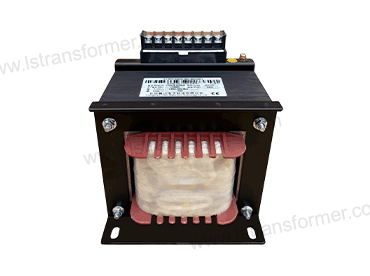
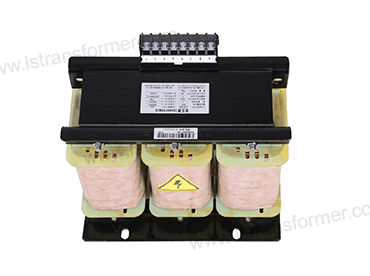
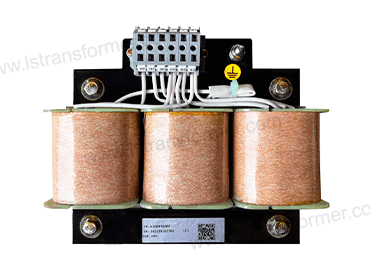
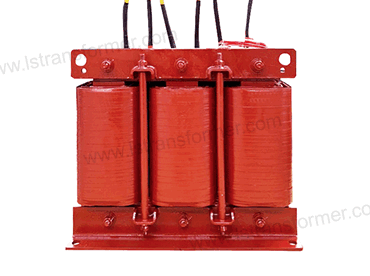
Yd and Dy Winding Configurations: What are the characteristics? The Yd winding configuration is suitable for transformers with various core forms and features: a. The third harmonic current can circulate through the secondary side, eliminating the third harmonic voltage. b. The neutral point on the primary side can be grounded; since the secondary side adopts the D-shaped winding, the neutral point on the primary side is stable. Therefore, the Yd winding configuration is mainly used in large-scale step-down transformers. If the Dy winding configuration is used, it has similar characteristics to the former but can be applied to step-down transformers for four-wire system supply and large-scale step-up transformers. Contact LuShan, […]

FAQ

の巻線構成のトランス?

What is the winding configuration of a transformer? ​ The combination of the connection methods for the high, medium, and low voltage windings of a transformer is referred to as the winding configuration. The winding configuration is crucial for the performance, manufacturing cost, and operational characteristics of the transformer. Common winding configurations for dual-winding three-phase transformers include Yy, Yd, and Yz; for three-winding three-phase transformers, configurations like Yyd, Yyy, Yad, and Yay are commonly used. Contact LuShan, est. 1975, is a Chinese professional manufacturer specializing in power transformers and reactors for 50+ years. Leading products are single-phase transformer, three-phase isolation transformers, electrical transformer, distribution transformer, step down and step up

FAQ

どのように、避雷器を保護で実施され、出力端子のautotransformer?

How is the lightning arrester protection implemented at the output terminals of the autotransformer? When installing lightning arresters, it is necessary to install them at the high-voltage and medium-voltage output terminals of the autotransformer. At this point, it is required that no disconnecting switch be placed between the output terminal and the lightning arrester to prevent the possibility of the arrester disconnecting from the transformer line terminal. This ensures that when the autotransformer’s output terminal is disconnected, the lightning arrester remains connected to the transformer’s output terminal. This approach has the following advantages: a. In the event of a lightning strike on the high-voltage side, it prevents the occurrence of person-to-wave

FAQ

○接続の組み合わせは何社あるの?

Yy Connection Combination: What are its characteristics? The Yy connection combination, in addition to possessing the characteristics of the Y-shaped winding, exhibits distinct features based on the different structures of the core. 1. For core-type transformers: (1) Third Harmonic Magnetic Flux Characteristics and Its Effect: Absence of third harmonic current results in the presence of third harmonic magnetic flux in the magnetic circuit. However, this flux cannot close within the core and can only circulate along the same direction through the three core columns, exiting the core through oil and the tank before returning. Due to the significant magnetic resistance outside the core, the third harmonic magnetic flux is relatively

FAQ

What tests should be conducted during the operation of a transformer?

What tests should be conducted during the operation of a transformer? During operation, transformers require various tests to ensure their safety, reliability, and efficiency. These tests not only help in promptly identifying potential issues but also significantly extend the lifespan of the transformer. The following are the main tests to be conducted during transformer operation and their importance: Content 1. Temperature Testing Temperature testing is a critical aspect of monitoring the operational status of a transformer. The temperature directly reflects whether the transformer is operating normally. Excessive temperature may lead toinsulation material agingand accelerate equipment degradation. According to regulations, the upper oil temperature should not exceed 85°C, and the temperature rise should not

FAQ

What is the purpose of the enclosure of a dry-type transformer?

What is the purpose of the enclosure of a dry-type transformer? The enclosure of a dry-type transformer not only plays a crucial role in protecting the transformer body but also significantly contributes to ensuring safe operation and extending the equipment’s lifespan. The main uses and importance of dry-type transformer enclosures are as follows: Content 1. Ensuring a Good Operating Environment According to theChinese standardGB 4208, the enclosure of dry-type transformers typically has anIP20rating or higher. This rating indicates that the enclosure effectively prevents the ingress of solid objects larger than12.5 millimeters into the transformer, providing protective coverage. Additionally, a grille must be installed on the rear of the enclosure to prevent small

FAQ

What checks should be conducted before operating a dry-type transformer?

What checks should be conducted before operating a dry-type transformer? The pre-operation inspection of dry-type transformers is a crucial step to ensure the equipment operates safely and stably. The following are the detailed inspection items and steps: Content 1. Inspection of Component Tightening Before operating the transformer, it is essential to conduct a thorough inspection of all components to ensure there are no loose parts. Even if no looseness is apparent, all bolts and connections should be re-tightened. This is necessary because vibrations during transportation and installation may cause parts to loosen, potentially affecting the equipment’s normal operation and safety. 2. Ventilation System Inspection The ventilation openings of dry-type transformers

FAQ

What is the current status of the application of dry-type transformers?

What is the current status of the application of dry-type transformers? Dry-type transformers, as a type of oil-free transformer, have unique advantages and are widely used in modern power systems. Sincedry-type transformers do not use oil as an insulation and cooling medium, they avoid potential risks such as fire, explosion, and pollution. This makes dry-type transformers safer and more environmentally friendly in both installation and usage, allowing for more flexible and widespread applications in various environments. 1. Application Areas (1) Power Systems: Dry-type transformers are extensively used in almost all electrical systems, including power plants, factories, hospitals, schools, commercial buildings, and residential complexes. In these settings, dry-type transformers are the preferred equipment

FAQ

What is the purpose of measuring the no-load voltage and no-load current?

What is the purpose of measuring the no-load voltage and no-load current? Measuring the no-load voltage and no-load current is a critical aspect of assessing transformer performance and quality. These measurements can reveal the operational status and characteristics of the transformer under no-load conditions, providing essential data support for design, manufacturing, and maintenance. The primary objectives of measuring no-load voltage and no-load current are as follows: Content 1. Verification of Transformer Design Parameters: When the no-load losses of a transformer are minimal, the no-load voltage is essentially equal to the induced voltage, and the ratio of the primary to secondary no-load voltages is equal to the turns ratio. By measuring

FAQ

What is the definition of the no-load characteristics measurement?

What is the definition of the no-load characteristics measurement? The measurement of a transformer’s no-load characteristics is one of the key methods for assessing its performance and efficiency.No-load characteristics refer to the parameters measured and recorded when the secondary winding of the transformer is open-circuited, i.e., with no load connected, and specific excitation conditions are applied. These measurements includeno-load voltage, no-load current, and no-load losses,which are crucial for understanding and optimizing the design and operation of the transformer. 1. Specific Parameters (1) No-Load Voltage: The no-load voltage is the voltage measured across the secondary winding of the transformer when it is open-circuited. This voltage is induced in the secondary winding by

WhatsAppにQR WeChat QR sales@hnlsdz.com
スクロールトップ