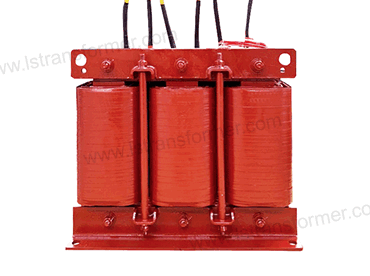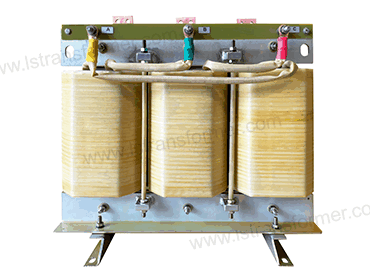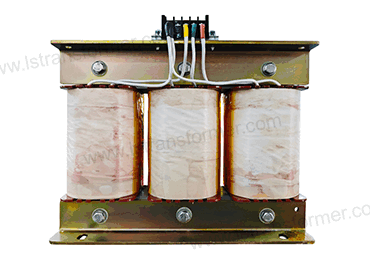






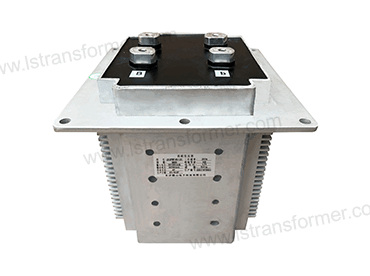
What are the uses of high-frequency transformers?

ホーム > 投稿者: 369703005 > ページ 7
FAQ

What are the uses of high-frequency transformers?

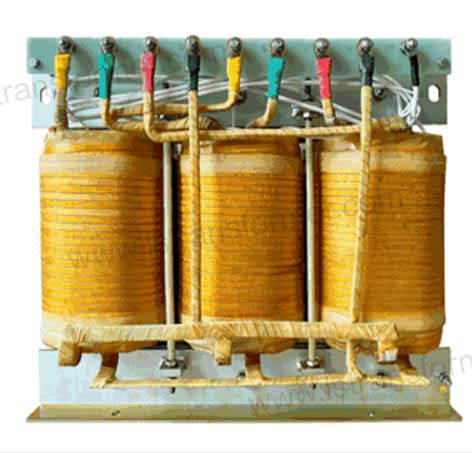
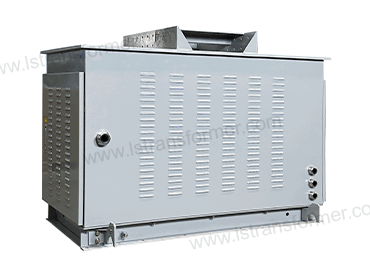
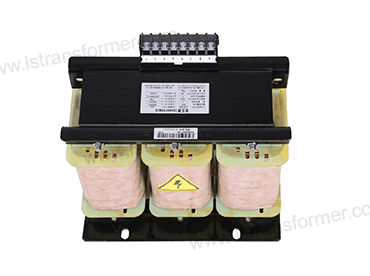
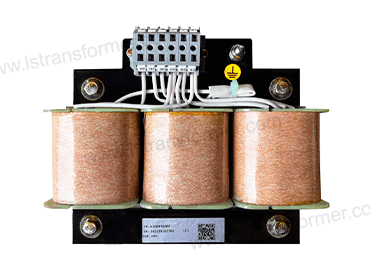
What are the uses of high-frequency transformers? High-frequency transformers are specialized devices designed for the conversion of high-frequency electrical signals and play a crucial role in various fields and applications. The following is a detailed description of the main uses and functions of high-frequency transformers: Function: 1. Radio Transmitters and Receivers: High-frequency transformers are extensively used in radio communication equipment, particularly in the signal processing stages of transmitters and receivers. They are employed forsignal power conversion,impedance matching, andfiltering. By adjusting the transformer’s parameters, it is possible to enhance signal transmission efficiency and reduce signal loss.   2. Modems: In modems, high-frequency transformers are utilized to convert high-frequency modulated signals into […]
FAQ

What are the regulations for the normal operating conditions of transformer products?

What are the regulations for the normal operating conditions of transformer products? The normal operating conditions for transformer products are crucial for their long-term stable performance and reliability. The following are detailed specifications for these operating conditions: 1.Altitude: Transformers are typically designed and manufactured under the assumption that their operating environment will not exceed an altitude of1,000 meters. Altitude directly impacts the insulation performance and cooling effectiveness of transformers. At higher altitudes, the air density decreases, potentially reducing insulation strength and cooling efficiency, which can affect the operational safety and reliability of the transformer. In high-altitude areas, appropriate compensatory measures, such as enhancing insulation levels or improving the cooling system,

FAQ

What are the structural characteristics of dry-type transformers?

What are the structural characteristics of dry-type transformers? The structural characteristics ofdry-type transformersconfer unique advantages across various applications, particularly in environments where high safety, reliability, and environmental friendliness are essential. The main structural features of dry-type transformers are as follows: Content 1. Safety, Fire Resistance, and Pollution-Free: Dry-type transformers, which do not use oil as a cooling and insulating medium, significantly reducefire risks and pollution issues. This characteristic allows them to operate directly in load centers, such as commercial buildings, industrial facilities, and public infrastructure, where fire safety requirements are stringent. 2. Advanced Technology and High Mechanical Strength: Dry-type transformers employ advanced manufacturing technologies from both domestic and international sources. They

FAQ

What are the characteristics of dry-type transformers?

What are the characteristics of dry-type transformers? Dry-type transformers possess several distinct characteristics that render them advantageous and suitable for specific applications. Content 1. Insulation and Cooling Characteristics: Dry-type transformers use air as the insulating medium. Compared to oil-immersed transformers, air haslower insulation strength and cooling performance. To compensate for these limitations, dry-type transformers typically require the use ofadditional insulation materials. As a result, dry-type transformers generally have higher material consumption, making them suitable for applications where fire safety is a major concern, such as in underground railways, public buildings, workshops, or hydroelectric power stations. 2. Impulse Voltage Endurance: Although dry-type transformers utilize air as the insulating medium, they still

FAQ

What are the requirements for cleaning the transformer enclosure?

What are the requirements for cleaning the transformer enclosure? Cleaning the transformer core is a crucial step to ensure that the transformer achieves the desired electrical performance and reliability during operation. Both users and manufacturers have strict requirements for cleaning the transformer core, especially during the assembly process and the installation of key components and insulation parts. The following are the detailed requirements for cleaning the transformer core: Content 1. Selection of Cleaning Tools The cleaning process of the transformer core primarily relies onthe appropriate tools and methods. Typically, cleaning tools include vacuum cleaners andclean white cloths. When using a vacuum cleaner, it should be equipped withan efficient filtration system to ensure the effective

FAQ

What tests should be conducted during the operation of a transformer?

What tests should be conducted during the operation of a transformer? During operation, transformers require various tests to ensure their safety, reliability, and efficiency. These tests not only help in promptly identifying potential issues but also significantly extend the lifespan of the transformer. The following are the main tests to be conducted during transformer operation and their importance: Content 1. Temperature Testing Temperature testing is a critical aspect of monitoring the operational status of a transformer. The temperature directly reflects whether the transformer is operating normally. Excessive temperature may lead toinsulation material agingand accelerate equipment degradation. According to regulations, the upper oil temperature should not exceed 85°C, and the temperature rise should not

FAQ

What is the purpose of the enclosure of a dry-type transformer?

What is the purpose of the enclosure of a dry-type transformer? The enclosure of a dry-type transformer not only plays a crucial role in protecting the transformer body but also significantly contributes to ensuring safe operation and extending the equipment’s lifespan. The main uses and importance of dry-type transformer enclosures are as follows: Content 1. Ensuring a Good Operating Environment According to theChinese standardGB 4208, the enclosure of dry-type transformers typically has anIP20rating or higher. This rating indicates that the enclosure effectively prevents the ingress of solid objects larger than12.5 millimeters into the transformer, providing protective coverage. Additionally, a grille must be installed on the rear of the enclosure to prevent small

FAQ

What checks should be conducted before operating a dry-type transformer?

What checks should be conducted before operating a dry-type transformer? The pre-operation inspection of dry-type transformers is a crucial step to ensure the equipment operates safely and stably. The following are the detailed inspection items and steps: Content 1. Inspection of Component Tightening Before operating the transformer, it is essential to conduct a thorough inspection of all components to ensure there are no loose parts. Even if no looseness is apparent, all bolts and connections should be re-tightened. This is necessary because vibrations during transportation and installation may cause parts to loosen, potentially affecting the equipment’s normal operation and safety. 2. Ventilation System Inspection The ventilation openings of dry-type transformers

FAQ

What is the current status of the application of dry-type transformers?

What is the current status of the application of dry-type transformers? Dry-type transformers, as a type of oil-free transformer, have unique advantages and are widely used in modern power systems. Sincedry-type transformers do not use oil as an insulation and cooling medium, they avoid potential risks such as fire, explosion, and pollution. This makes dry-type transformers safer and more environmentally friendly in both installation and usage, allowing for more flexible and widespread applications in various environments. 1. Application Areas (1) Power Systems: Dry-type transformers are extensively used in almost all electrical systems, including power plants, factories, hospitals, schools, commercial buildings, and residential complexes. In these settings, dry-type transformers are the preferred equipment

FAQ

What is the definition of the no-load characteristics measurement?

What is the definition of the no-load characteristics measurement? The measurement of a transformer’s no-load characteristics is one of the key methods for assessing its performance and efficiency.No-load characteristics refer to the parameters measured and recorded when the secondary winding of the transformer is open-circuited, i.e., with no load connected, and specific excitation conditions are applied. These measurements includeno-load voltage, no-load current, and no-load losses,which are crucial for understanding and optimizing the design and operation of the transformer. 1. Specific Parameters (1) No-Load Voltage: The no-load voltage is the voltage measured across the secondary winding of the transformer when it is open-circuited. This voltage is induced in the secondary winding by

WhatsAppにQR WeChat QR sales@hnlsdz.com
スクロールトップ