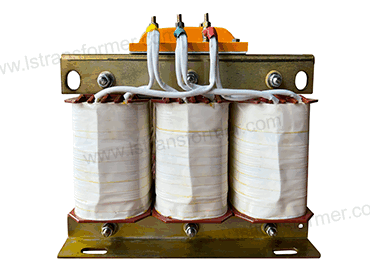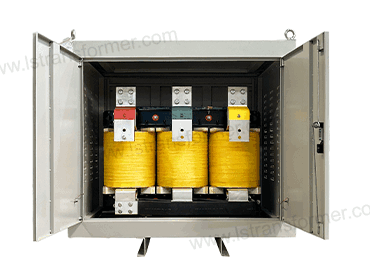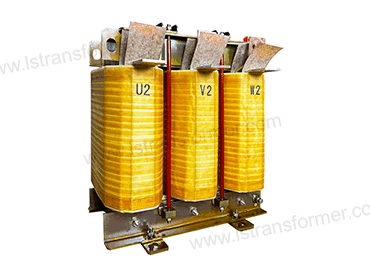






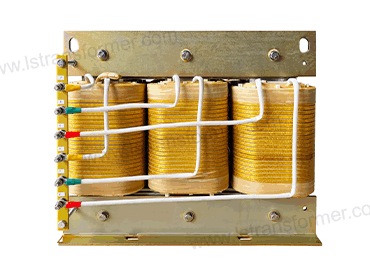
その規制のための通常の運転条件のトランス。

ホーム > FAQ > ページ 9
FAQ

その規制のための通常の運転条件のトランス。

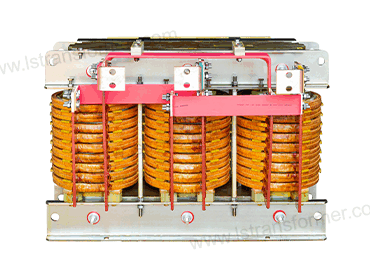
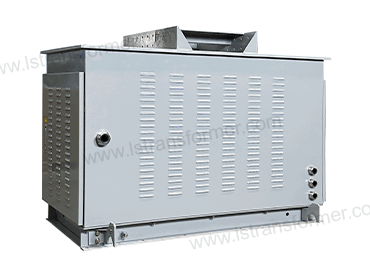
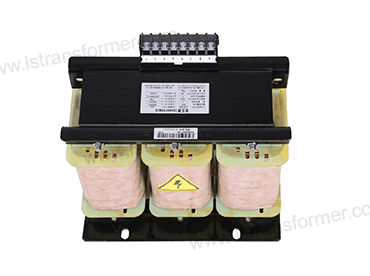
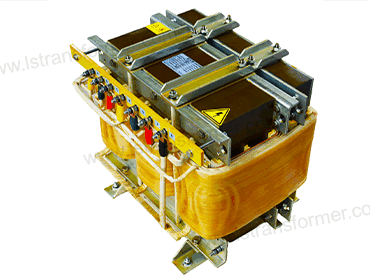
What are the regulations for the normal operating conditions of transformer products? The normal operating conditions for transformer products are crucial for their long-term stable performance and reliability. The following are detailed specifications for these operating conditions: 1.Altitude: Transformers are typically designed and manufactured under the assumption that their operating environment will not exceed an altitude of1,000 meters. Altitude directly impacts the insulation performance and cooling effectiveness of transformers. At higher altitudes, the air density decreases, potentially reducing insulation strength and cooling efficiency, which can affect the operational safety and reliability of the transformer. In high-altitude areas, appropriate compensatory measures, such as enhancing insulation levels or improving the cooling system,
FAQ

その構造特性の乾式トランス?

What are the structural characteristics of dry-type transformers? The structural characteristics ofdry-type transformersconfer unique advantages across various applications, particularly in environments where high safety, reliability, and environmental friendliness are essential. The main structural features of dry-type transformers are as follows: Content 1. Safety, Fire Resistance, and Pollution-Free: Dry-type transformers, which do not use oil as a cooling and insulating medium, significantly reducefire risks and pollution issues. This characteristic allows them to operate directly in load centers, such as commercial buildings, industrial facilities, and public infrastructure, where fire safety requirements are stringent. 2. Advanced Technology and High Mechanical Strength: Dry-type transformers employ advanced manufacturing technologies from both domestic and international sources. They

FAQ

その特徴の乾式トランス?

What are the characteristics of dry-type transformers? Dry-type transformers possess several distinct characteristics that render them advantageous and suitable for specific applications. Content 1. Insulation and Cooling Characteristics: Dry-type transformers use air as the insulating medium. Compared to oil-immersed transformers, air haslower insulation strength and cooling performance. To compensate for these limitations, dry-type transformers typically require the use ofadditional insulation materials. As a result, dry-type transformers generally have higher material consumption, making them suitable for applications where fire safety is a major concern, such as in underground railways, public buildings, workshops, or hydroelectric power stations. 2. Impulse Voltage Endurance: Although dry-type transformers utilize air as the insulating medium, they still

FAQ

その構造特性の円筒形の巻線?

What are the structural characteristics of a cylindrical winding? Cylindrical windings can be classified intosingle-layer,double-layer, andmulti-layer configurations. Single-layer windings are simple in structure and have good processability, but they have relatively poor end support stability. Double-layer windings are formed by connecting1 to 6 flat conductors to a winding mold and winding them, which can enhance the electrical performance and mechanical strength of the winding to a certain extent. Multi-layer cylindrical windings use round or flat conductors for winding on an insulating cylinder, providing a larger winding volume and higher current-carrying capacity. Content 1. Winding Structures: (1) Single-Layer Winding: Suitable for lower voltage applications, featuring a simpler structure and better processability. The

FAQ

その条件と清掃のためのトランス封?

What are the requirements for cleaning the transformer enclosure? Cleaning the transformer core is a crucial step to ensure that the transformer achieves the desired electrical performance and reliability during operation. Both users and manufacturers have strict requirements for cleaning the transformer core, especially during the assembly process and the installation of key components and insulation parts. The following are the detailed requirements for cleaning the transformer core: Content 1. Selection of Cleaning Tools The cleaning process of the transformer core primarily relies onthe appropriate tools and methods. Typically, cleaning tools include vacuum cleaners andclean white cloths. When using a vacuum cleaner, it should be equipped withan efficient filtration system to ensure the effective

FAQ

どの試験を実施し動作中のトランス?

What tests should be conducted during the operation of a transformer? During operation, transformers require various tests to ensure their safety, reliability, and efficiency. These tests not only help in promptly identifying potential issues but also significantly extend the lifespan of the transformer. The following are the main tests to be conducted during transformer operation and their importance: Content 1. Temperature Testing Temperature testing is a critical aspect of monitoring the operational status of a transformer. The temperature directly reflects whether the transformer is operating normally. Excessive temperature may lead toinsulation material agingand accelerate equipment degradation. According to regulations, the upper oil temperature should not exceed 85°C, and the temperature rise should not

FAQ

What are the impacts of wind speed on the operation of transformers? (Part 2)

What are the impacts of wind speed on the operation of transformers? (Part 2) In the previous article, we talked about that the wind speed will cause the transformer bushing to generate mechanical stress, thereby affecting its sealing performance. Next, we will introduce other impacts of wind speed on the transformer. Content 1. Oil conservator The oil conservator plays an important role in regulating the oil level and storing the transformer oil during the operation of the transformer, but it is also easily affected by the wind speed. The change of wind speed will exert different degrees of pressure on the surface of the oil conservator. When the wind speed

FAQ

その原因と予防法の正の許容度を超える両面の直径が最大のコアとは?

What are the Causes and Prevention Methods for Positive Tolerance Exceeding on Both Sides of the Maximum Diameter of the Core? Content 1.Cause Analysis (1) Thickness Deviation During Core Stacking: During the core stacking process, if the thickness of the laminations in each layer is generally thicker, it will directly result in the overall thickness and diameter of the core exceeding the specified tolerance. This typically occurs due toinconsistencies in lamination thickness during manufacturing or handling, or a lack of effective thickness control during stacking.   (2) Misalignment of Core Laminations: If the laminations of the core exhibit significant left-right misalignment, it will lead to an irregular geometric shape of the core,

FAQ

What are the routine electrical tests for transformers? (Part 2)

What are the routine electrical tests for transformers? (Part 2) In the previous article, we introduced three routine electrical tests: voltage ratio test, winding resistance measurement, and insulation resistance and absorption ratio or polarization index measurement. In addition to those mentioned in the previous article, there are three electrical tests introduced below. Content 1. tanδ measurement The tanδ measurement determines the degree of insulation moisture absorption and defects in the insulation structure through dielectric loss. The magnitude of the dielectric loss factor tanδ reflects the energy loss of the insulation material under the action of an electric field. When the insulation is moistened or there are defects, the tanδ value

FAQ

どう考えるの寿命炉?

How to consider the life span of reactors? The service life of a reactor refers to the period during which it can operate reliably under rated load conditions. The length of this service life is determined by the properties of the manufacturing materials and the conditions of the operating environment. The primary materials used in reactors include metal materials and insulating materials, and their characteristics directly affect the reactor’s service life and performance stability. Content 1. Influence of Materials on Service Life The manufacturing materials of reactors are categorized intometal materials and insulating materials. Metal materials primarily determine theelectromagnetic performance of the reactor. They usually have high-temperature resistance and good conductivity, thus offering

WhatsAppにQR WeChat QR sales@hnlsdz.com
スクロールトップ