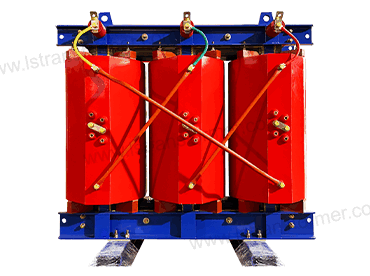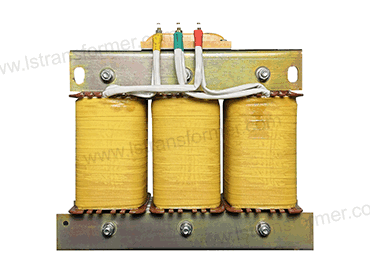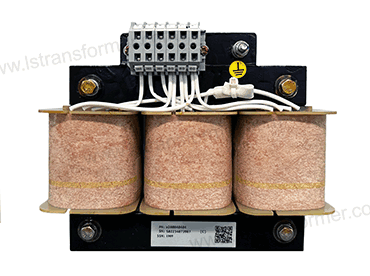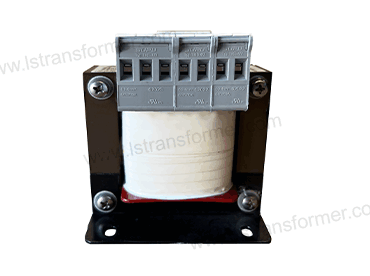






どのようにエポキシ樹脂の乾式トランスキャストおよび成形品?

ホーム > FAQ > ページ 11
FAQ

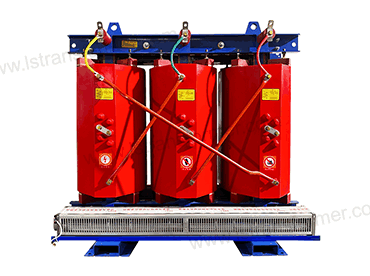
どのようにエポキシ樹脂の乾式トランスキャストおよび成形品?

How is an Epoxy Resin Dry-Type Transformer Cast and Molded? Epoxy resin dry-type transformers are widely used high-voltage electrical equipment in power systems. Unlike oil-immersed transformers, they do not use liquid coolants but are insulated and cooled by air or other solid insulating materials. The manufacturing process of epoxy resin dry-type transformers is not only a craft but also a technical skill. Below is a detailed introduction to this manufacturing process to help readers gain a deeper understanding of it. Content 1. Importance of Preparation: Preparation is crucial before starting the casting process. First, it is essential to ensure that the casting molds are clean and dry to avoid affecting
FAQ

その冷却方法のための乾式トランス?

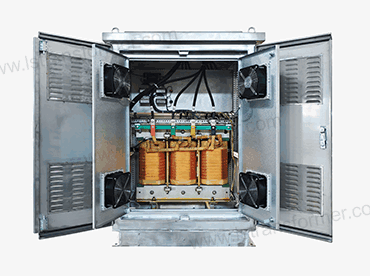
What are the cooling methods for dry-type transformers? The cooling methods for dry-type transformers are critical for their performance and reliability. Effective cooling measures ensure that the transformer maintains an appropriate operating temperature during operation, thereby extending its service life and improving overall efficiency. The primary cooling methods for dry-type transformers include the following: Content 1. Open Cooling: Open cooling is one of the most common cooling methods. In this method, the transformer’s casing is directly exposed to the air, allowing natural convection to dissipate heat. This method is suitable for installations indry, well-ventilated environments such ascontrol roomsordistribution rooms. To ensure effective heat dissipation, the ambient temperature should be controlled ataround

FAQ

その理由につながるの燃焼のトランス?

What are the main reasons that can lead to the burning of transformers? Content 1. Overloading: Overloading is one of the common causes of transformer burnout. Overloading refers to the condition where the transformer is subjected to current exceeding its rated capacity, resulting in excessive heat generation in the windings and insulation materials. When a transformer operates under prolonged overload conditions, the temperature may rise beyond its design limits, causing the insulation materials to gradually fail and ultimately leading to burnout. Overloading can also causethermal expansion of the windings, leading tomechanical stress and damage to the insulation materials, further increasing the risk of burnout. 2. Short Circuit: A short circuit

FAQ

その構造特性エポキシ樹脂の乾式トランス?

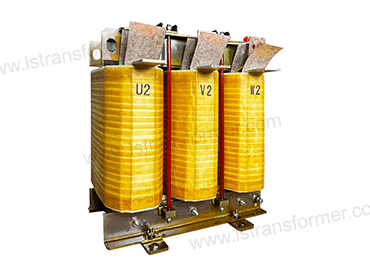
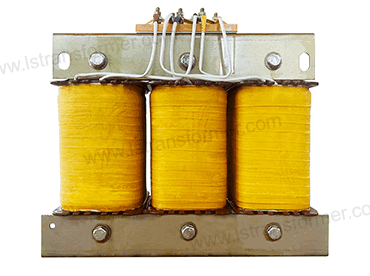
What are the structural characteristics of epoxy resin dry-type transformers? Content 1. Winding Materials and Structure The high and low voltage windings of epoxy resin dry-type transformers are entirely made ofcopper strips (foils). Copper strip windings not only have lower resistance, effectively reducing winding losses, but also enhance the overall efficiency of the transformer due to the high conductivity of copper. The windings are produced using flat winding or layer winding techniques, which help to reduce inductance and losses, thereby improving the stability and reliability of the transformer. 2. Insulation Class The insulation class of epoxy resin dry-type transformers is typically F or H.F-class insulation can withstand temperatures up to155°C, whileH-class insulation can endure

FAQ

理由は予防方法に過剰な垂直偏差をコア?

What are the Reasons and Prevention Methods for Excessive Verticality Deviation of the Core? Core verticality deviation can lead to damage in the electrical performance and mechanical structure of transformers. Therefore, it is crucial to strictly control the verticality of the core during manufacturing to ensure the normal operation and long lifespan of the transformer. Below are the main causes of core verticality deviation and the corresponding preventive methods. 1. Main Causes: (1) Uneven Stacking Work Surface: During the core stacking process, if the stacking work surface is not flat enough, it can cause the core column to bend after stacking. Without strict flatness control of each layer during stacking, the

FAQ

共通専門用語の解説、トランスフォーマ

Common Professional Terms and Explanations in Transformers Transformers, as complex electrical devices, have a range of technical terms that are commonly used in the industry. Some of the most common terms include: (1) Turns ratio: This is the ratio of the number of turns of wire on the primary winding to the number of turns on the secondary winding. (2) Impedance: This is the resistance offered by the transformer to the flow of current. It is usually expressed in ohms. (3) Leakage inductance: This is the inductance present in the transformer that does not couple the primary and secondary windings. (4) Flux density: This is the amount of magnetic flux

FAQ

計算単相及び三相トランス能力

Calculation of Single-phase and Three-phase Transformer Capacity Transformers are essential electrical devices that are used to transfer electrical energy from one circuit to another. They are classified into two types: single-phase transformer and three-phase transformer. The calculation of their capacity is crucial in determining their suitability for various applications. (1) For a single-phase transformer, the capacity is calculated using the following formula: Capacity (kVA) = (Voltage x Current) / 1000 Where voltage is the primary or secondary voltage, and current is the primary or secondary current. (2) For a three-phase transformer, the capacity is calculated using the following formula: Capacity (kVA) = (Voltage x Current x √3) / 1000 Where

FAQ

なぜ原子炉の過熱を燃やす。 トップの原因と効果的なソリューション

Why Do Reactors Overheat and Burn Out?  —Top Causes and Effective Solutions As global energy demands surge and power systems grow more complex, reactors (critical devices for reactive power compensation and harmonic suppression) play a vital role in grid stability. However, frequent reactor failures, particularly overheating, have become a costly challenge. According to the International Energy Agency (IEA), 22% of global industrial power outages are caused by reactor burnout, with 75% of failures linked to thermal runaway. This results in annual losses exceeding $10 billion. This article explores the root causes of reactor overheating and offers proven solutions to reduce maintenance costs by 30%-50% annually, aligning with IEC 60076-27 and

FAQ

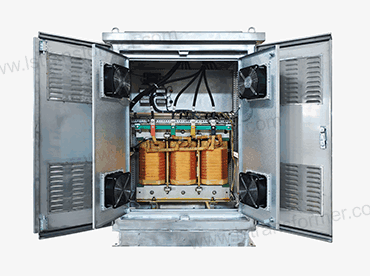
その筐体の乾式トランス?

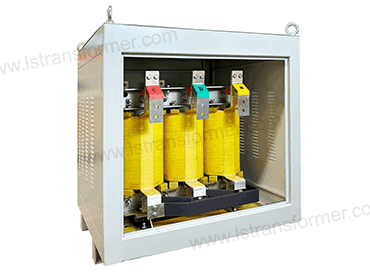
What are the Functions of the Enclosure of Dry-type Transformers? The enclosure of dry-type transformers plays a vital role in its overall operation and application. It not only ensures the stable operation of the transformer itself but also provides effective protection for the surrounding environment and personnel safety. Content 1. Physical Protection Function The primary function of the enclosure of dry-type transformers is to offer physical protection. It can effectively resist various external mechanical collisions, impacts, and the intrusion of foreign objects. In industrial environments or some more complex places, such as construction sites and factory workshops, there may be situations like the movement of equipment and the handling of

FAQ

何の共通筐体保護の格付にトランス?

What are the Common Enclosure Protection Ratings of Transformers? The enclosure protection ratings of transformers determine their ability to cope with external environmental factors. Different protection ratings make them suitable for various working scenarios and are of great significance for ensuring the safe and stable operation of transformers. Content 1. IP20 Protection Rating: Regular Indoor Protection In the IP20 protection rating, “2” indicates that it can prevent solid foreign objects with a diameter larger than 12.5 mm from entering. For example, it can avoid accidental contact of fingers and other objects with the live parts or moving parts inside the transformer, effectively reducing the risks of short circuits and mechanical damage.

WhatsAppにQR WeChat QR sales@hnlsdz.com
スクロールトップ